What to buy next for Arkham Horror: The Card Game
You’ve tackled the core set multiple times and finally want to look deeper into the abyss that is Arkham Horror. What do you pick up next? Unfortunately the product line for the Arkham Horror LCG has exploded over the years. While it’s great to see the game have tons of support from FFG, wading into the LCG as a new player can have your head spinning on how to expand your card collection. So here are some suggestions.

Do you need a second core? This is a resounding no, a second core is not needed. Maybe four years ago there would be a lot of conventional wisdom behind doing this. But the game is at a different point now. So no, you don’t need a second core set.
I could see years ago why folks felt this way. Fortunately, my original criticism of the game finally seems to have been addressed. The old core set gave you a taste of the game for up to 2 players. You really could not do much deckbuilding with just a single original core set. Even worse, you can’t explore all the investigator combinations as they rely on dipping deep into a common pool of cards for others. There is a revised core set that takes those issues head on.
There is a dogmatic view it’s required to have two copies of certain cards to make any deck viable (notably Machete and for mystic investigators, Shrivelling). Additionally there were neutral skill cards in the core set considered staples for deck building.
The card pool has greatly expanded giving you lots of other options. While some weapons might not be on the same efficiency scale of Machete, there are decent variants, and also other tools (Prepared for the Worst) to help a player dig through their deck to find that lone copy if needed. Lastly I’d argue that neutral skill cards are too limiting. You now have lots of other cards which can help bolster lagging skill icons and these have other abilities to boot. However now this argument of requiring additional core set for investigator cards is moot.
There is a revised core set in the pipe that removes the need for a 2nd core set entirely. All investigators will have 2 copies of their class cards and additional neutral ones. You can pick an investigator and all the cards will be there to play them. As an additional plus, FFG threw in some new upgrade card versions (which had all been released from previous expansions). So you now have even more deckbuilding opportunities as you progress through the core campaign.
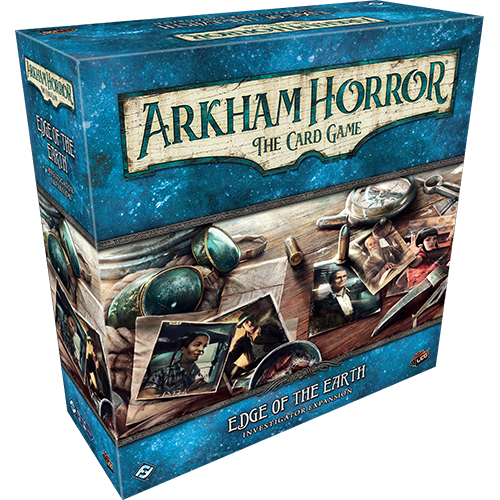
Campaign Cycle Expansions – If wanting to get more bang for your gaming budget, this is an excellent way to expand your card pool. Now FFG has changed the expansion cycle packaging to make it far more easier to get into. Each expansion now comes as two products, one is all the investigator cards in one go. While another boxed set consists of new encounter and scenario cards for the campaign itself. This is far better than the old product line packaging.
Previous campaigns were structured around a big box product that had 2-3 scenarios, new investigators, and encounter cards specific to the entire expansion cycle. And was then followed by 6 additional scenario packs that also had more investigator cards. From the old product line, a typical release schedule was playing the expansion box scenarios first, and then getting each scenario pack sequentially. Or you could get the entire expansion cycle in one go, adding all the investigator cards to your pool from the start. Fortunately this multiple pack format will no longer be an option for older campaigns, making it easier to get, and a better way to expand your investigator card pool.
I would utilize resources to find out what cards would synergize well with investigators you’d want to play. Keep in mind not all campaigns are created equal. I feel some of the more recent ones (particularly the Forgotten Age) were designed for players that have a complete investigator card pool from previous expansions, and the overall cycle difficulty is increased to reflect that.
On the flip side, the Dunwich Legacy and Path to Carcosa don’t really stray much from the gameplay mechanics of the core set. Both have great investigator cards, but you might say Dunwich Legacy feels like a longer campaign akin to the core set. I enjoyed both, and the Path to Carcosa is a community darling. However if you wanted to play an expansion that utilized different game mechanisms, you might want to try out a more recent cycle.
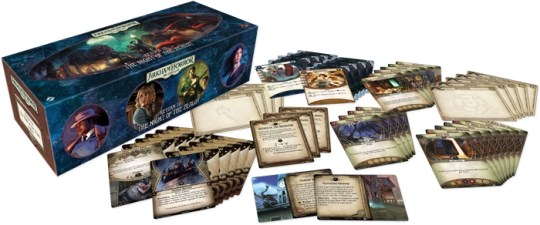
Return to Expansions – To add some longevity to expansion cycles and the core set, FFG released small products titled ‘Return to: (campaign cycle)’ which are decent for adding some replay. However for expanding your card pool they are a poor choice. There will be some additional investigator cards which are commonly higher XP versions of cards in that cycle and/or core set. Another reason to hold off on the Return To expansions are the difficulty level.
If you’ve played a cycle to death and beaten it soundly at the expert level, the Return To expansions might be something you’d be interested in. They add more difficult locations and encounter cards to ramp up the challenge offered by the original versions. If you particularly enjoy a campaign, the Return To expansions add variety and small tweaks to offer more replay. But for expanding your card pool as a primary focus, they aren’t a solid buy.
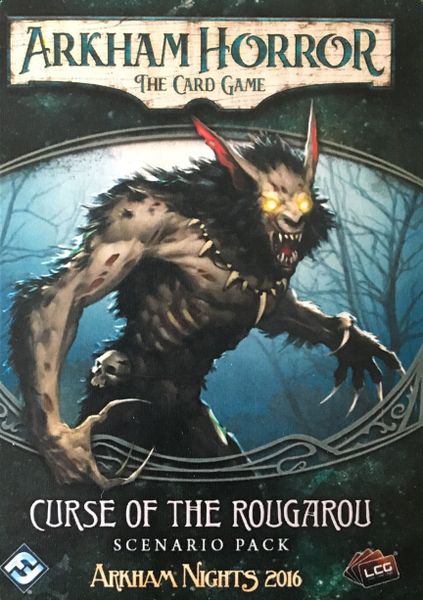
Stand Alone Scenarios – This is another low priority buy if wanting to expand your investigator card pool. These are 1-2 scenarios intended for a one shot game. While they can be added to a longer campaign, they are really designed for a lone jaunt seeking answers to the mythos. The contents in these packs are geared towards scenario cards, where investigator cards (if any) are intended to be given as rewards for its successful completion.

Investigator decks – These are a wonderful, especially if looking to bolster the card pool for a particular type of investigator. All of them are designed to provide a complete investigator deck, along with additional cards to be purchased with experience as you wind through a campaign. I think that’s the primary strength of the decks. Want to add a 3rd or 4th player to your older version core set? You can buy these and each additional player will have a complete deck. More importantly, the decks themselves are pretty solid.
These have some good cards which can supplement the lack of duplicate cards if you have an old core set. As an example Azure Flame is a great option to brace up that lone copy of Shrivelling. Sadly the guardian deck, while a good one, doesn’t quite have a replacement for Machete. You could argue that a fair amount of the cards really work best with the investigator they come with. However there’s a good number that’ll work with just about any other investigator. These decks are something to look into if you like a particular class. As they are solely composed of player cards they are an ideal product to broaden your player card pool.
 Geek Ken