Category: House Rules
Travel for Savage Worlds
 My weird west campaign has my players spending a lot of time in the saddle. Quite a few of the PCs opted to get survival and tracking as skills. It’s something they thought would be helpful and envisioned their characters as more hearty, pioneer folk rather than a bunch of gunhands wanting to stick around the saloons all the time. Because of this, I wanted to try and incorporate some type of events for overland travel which might use these skills, rather than just handwaving it all the time.
I was sort of stumped though. I wanted to try adding some structure to travel, but also have the opportunity for random encounters. I wanted players to be able to use skills to impact how efficiently they conducted their expedition. I also wanted provisions and keeping on course another factor.
Digging around, I found this wonderful set of random encounters for a fantasy SW setting. I really liked how these were laid out. However, it was still a bit clunky for me. So I opted to work on it a little more and make up my own version.
I kept everything related to using cards and had no dice rolling. I also tweaked it some related to expanded events in particular terrain. Really hazardous lands might incur more usage of provisions (which would relate back to fatigue). I wanted to keep this open ended and not get down to too many specifics, in order to allow the rules to be used for a variety of settings. You can draw a single card every day, or instead decide to draw only for each important milestone.
Likewise some of the events are sketched out. Inclement weather could mean the players might suffer exposure and need to make vigor rolls to avoid fatigue. Possibly another check might need to be made to avoid a wound. Say some heavy rains have made riding along a mountainous path dangerous. So failed riding skill checks could have the player’s mount be injured (or themselves taking damage from a fall).
One big change is the number of provisions needed. If you are planning an expedition, you’re going to take enough food to get you there and back again. At key points you’ll be going through food, water, and other items needed during your journey. I wanted to reduce the overhead of excessive bookkeeping and avoid the need to keep track of various ‘legs’ of a journey. So I opted to just have set points where players exhaust a level of provisions. Be mindful that if you are drawing a card every day, but a trip might take 10 days to complete, players will likely quickly run out of provision markers early. It might be better to draw a card every 3 days or so instead.
So here are my travel rules for Savage Worlds. They allow for a variety of events where player abilities can help in reducing misfortune. I think they are also relatively generic enough to work in a variety of settings. Hope people get some use out of them around the game table.
Currency in Gamma World
I get the newest edition of Gamma World is a fast and loose game without needing a money system. However having a complete economy based on barter itself can get tangled up with a lot of questions. How much is a piece of junk worth? What about salvaged omega tech? For the most part I think it’s expected that players just handwave the whole affair and move on to the next set of pre-fall ruins for exploration and looting.
However if a group wanted something more of a serious game, some guidelines for a monetary system would help. An abstract system might work, with simple markers to represent wealth, but players are often rewarded with pre-fall tech and items. All these bits and pieces of technology lend itself to having some value in relation with other other goods.
 For my game I wanted to delve into using monetary units, but not get too bogged down. I wanted some form of currency, and a system for figuring the value of salvage and junk. Yet at the same time not resort to a list or table of costs to figure an item’s value. So I settled on a few basic house rules to introduce an economy in my game that steps away from a complete barter system and uses a form of currency.
Bottle Caps – Taken straight out of the computer RPG, Fallout, most of monetary transactions are through bottle caps. They are lightweight, resistant to most wear and the elements, and are somewhat difficult to create. The caps do have a lifetime however, with excessive rust being an issue. As such, some caps are deemed worthless.
It is not uncommon for more devious merchants unwilling to take 5% or so of caps offered for goods. A common ploy is to complain such caps are ‘too worn for trade’. This also provides an excellent opportunity for players to wield their interaction skill and haggle a bit if desired.
Most goods and services are paid in caps. A simple local meal and a night’s rest would be a single cap, as would a full day’s menial labor (work is cheap in the post apocalypse). Most equipment that can be purchased is of relatively high quality and good craftsmanship, and would be roughly 5-6 caps a piece (ammunition being a separate purchase). Such gear and equipment might even incorporate some limited pre-fall technology, such as a compound bow having ball-bearing cams and equipped with a simple laser sight. Sets of gear like an explorer’s kit or climbing kit would run about 20 caps, a slight discount for buying several pieces of gear in one go.
Packaged, properly sealed food and drink are also worth 5 caps each and are highly prized. Fresh water, unless sealed in a pre-fall container, does not have much value. Most water must pass a sniffer test (usually some simple-to-operate pre-fall tech that quickly analyzes a portion) before it could be sold. Most communities are notorious for passing off lightly irradiated water to travelers as ‘sniffer free’ pure H-TWO-O.

Yawns – Yawns are pre-fall currency that are highly prized for their rarity and resistance to all forms of damage. A single yawn is worth 50 caps.Typically such currency is a small, engraved plastic disk with a square hole. The disks are roughly 25 mm in diameter and 2 mm thick. Yawns are lightweight and practically indestructible. They are made of an inert material and are highly resistant to radiation. Some incredibly wealthy individuals have been known to create clothing layered in such disks, almost as a suit of mail to protect themselves from radiation.
The characters and lettering on these disks are of a pre-fall language that can be found on most omega tech. Some elders claim that they were the common currency of several tribes that fell under the influence of one great power. Some claim that such power was obtained not through warfare, but through economic might, with the disks taking the name of that great tribe’s coin.
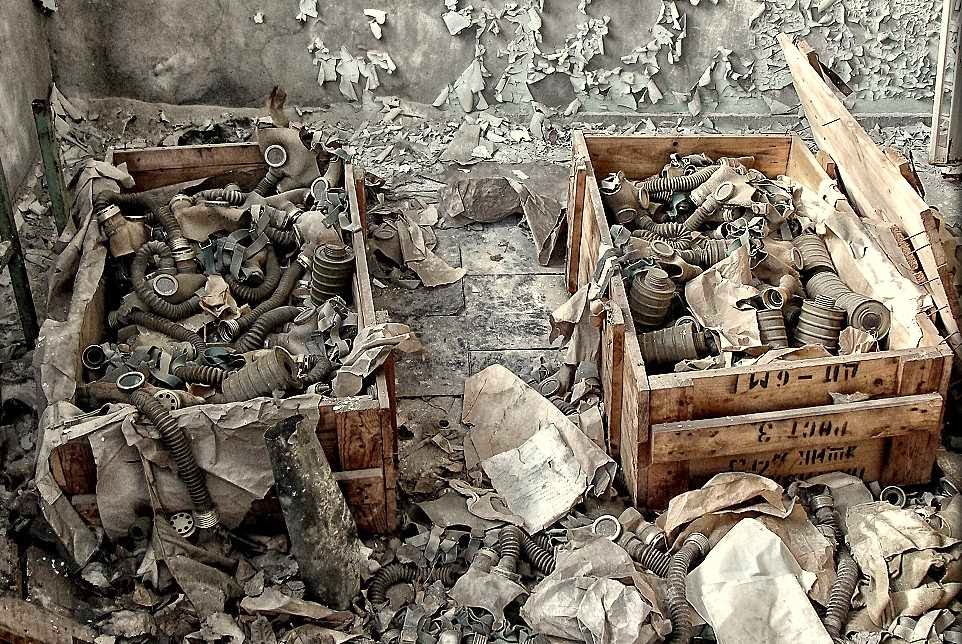 Junk Salvage Value – Junk salvage that players find are of relatively good condition and usually worth 2 caps each as a base value. Some items require a power source to operate. Such junk would be worth 5 times the base value (10 caps). Jury-rigged batteries, alternate homemade fuels, and simplified pre-fall energy producing technology (automated solar panels, geothermal power plants, tidal and wind generators, Mr. FusionTM biowaste reactors, etc.) are readily available, allowing many forms of older technology able to operate. The energy needed to operate such technology is easy to obtain, but what is lost is the manufacturing ability to create such technological marvels.
Actual scrap is worth much less that the typical junk salvage that players would find during their adventures and is the common target commodity of Junkers (people willing to gather up such scrap material). Due to their poor quality (and at times highly radioactive nature), scrap junk at best would be 1/8th the base salvage value. Usually 8-10 pieces of scrap junk might be enough to warrant a price of 2 caps. However some especially resourceful beings are able to make a living gathering such scrap, and old refuse storage facilities have been the spark of many armed conflicts between wandering bands of Junkers.

Omega Tech – Functioning omega tech is worth 50 times the base value of salvage (100 caps) mostly due to their limited functionality. Omega tech that can be jury-rigged to operate as salvageable tech is a little more reliable and worth a bit more. Omega tech that can be salvaged is worth 75 times the base amount, or 150 caps.
Some especially rare omega tech may be worth much more. Automated facilities that operate algae farms, water purification plants, and robot manufacturing facilities are some examples. These locations are highly prized and sometimes result in entire communities residing on the grounds of such places.
Traveller homebrew conversion for Savage Worlds

A while back I wrapped up my 4E D&D campaign and we were thinking about our next round of gaming to try out. I had recently picked up the new Traveller RPG from Mongoose publishing and liked the rules and setting for a sci-fi universe. The downside was that it’d be another ruleset for our group to jump into. Also, I wasn’t sure how deeply the group would be vested in trying out Traveller. Some were thinking a few sessions would be fun and then maybe rotate to something else. Again the burden of getting everyone comfortable with another set of rules was hanging around there in the background. So doing something using Savage Worlds was rather enticing.
I decided to write up my own Savage Worlds treatment of Traveller. One thing right off was that I wanted to use the rules as much as I could out of the Mongoose book. The first bit was to convert much of the target numbers and penalties to an equivalent with SW. Another key point was to translate some of the characteristics to SW attributes. I ended up having a print out of those tables handy when I ran a game. So I could consistently scan any rule in the book for an equivalent in Savage Worlds. This made it immensely easy to use tables and charts in the Traveller book. Even starship combat was possible as I could just use the Traveller rules for checks, just translate them to SW die types and numbers.
Character generation was a challenge. I really liked the organic process and mini-game in Traveller. One of the major challenges was to work on converting the list of skills to something more manageable. I truncated a lot of different skills. At the same time, I want some gradation in combat skills. Shooting could encompass too many weapon types, so I opted for some carry over with weapons. Having a high skill level in ballistics weapons like a d8 meant you could also shoot well with energy weapons, just at one die type less (d6). It allowed characters a choice with their progression. They were freed up to consider using skills gained for a variety of other professions if they wanted to. Alternately they could try to focus on having as many fighting skills as possible be all at the same relative level.
Knowledge skills could get out of hand using this rule though. You could have a character gain some specialty in one field and be able to use that as a base for a lot of other skills. So for knowledge skills, I still allow some crossover with its application in other fields, but at two die types less. This for me made a bit more sense. Just because a character had a d10 in Astrophysics didn’t mean they were well versed in Biology. However, with all their training in science, they likely got some exposure to this field of science, so they could get a d6 with Biology checks.
Social standing was also not part of the game. To address this I have a temporary attribute that characters used during character generation. Having a high enough social standing at the end of their career meant they could gain some additional edges.
With this as a basis, you could then go through the charts and tables for character generation and basically get the same result. I truncated the careers somewhat to 3 year terms and capped the number of terms at 4 (or about 12 years). Beyond that you’d get characters getting upwards of 20 skill points which was a bit much starting out. This would cut out some hindrance choices (like the old age), but could be worked around just giving the character longer imagined times of career terms.
It’s far from perfect. You are going to get some divergence in the number of skill points between them, but overall I like how they run. They really match up pretty well with the theme and flavor of Traveller character generation. There is also room for establishing connections and picking up hindrances and edges as they go through the process. These are not very tight and rigid as your typical SW system. You are going to get characters with different skill sets and perks. I’d just run with it. By default I gave characters 3 bennies to reroll any trait or table roll during character generation. You might want to consider having only 2 for a more unpredictable career path.
Of course with all those skills, you needed a new table of weapons and equipment. For the most part it’s a port of the SW weapons with a few tweaks and nods to the technology in Traveller. As I mentioned, I really wanted to keep a lot of the material in the Traveller book relevant, so you can still use the equipment and items from that book for your game.
One small bit I added with starships was the concept of the 100 diameter gravitational threshold. I simplified it to a simple random amount of time that was adjusted by the thrust of the ship. I wanted to give something concrete but still have an easy ruling at the table so a GM could just spurt out a time needed and keep the action going. I like the concept that these routes are predictable. When you jump in (or jump out) to certain systems you will be traveling a common route within the system to minimize fuel use. The danger of this is that these sub-system routes are ripe for pirates (or for security patrols). It’s just a little ‘realism’ to back up why players might run into pirates as they jump into a system, or how security authorities know what route the players are taking when they break out of orbit from a local planet.
As trade and ship upkeep goes, I threw in the towel. I tried to use the freighter a base for figuring typical monthly costs for paying off the ship mortgage and upkeep costs and just gave up. The numbers don’t work out if running simple freight. For this I certainly took the spirit of SW with embracing a simple process over the convoluted rules in Traveller. Every two weeks players can run basic freight that will pay off half their monthly costs for upkeep and the ship mortgage. They keep doing this they can always pay the bills and potentially get a little more cash in thier pocket.
Alternately they can dabble in speculative trading, however they won’t get a windfall like they would in Traveller. Instead they will be able to sell goods at 10% over the base cost. For each raise they get on their Trader roll, they get an additional 5% increase in price. This allows the players to get a little extra money with trade goods, but it won’t be a huge amount like in Traveller. The good news is that players can always unload goods at 25% less the base cost for that planet type if they fail to get a buyer. So they will lose a bit of cash, but not be completely wiped out.
This conversion is far from perfect but it was serviceable for me. It allowed me to use the base rules in the Traveller book and quickly port much of it over to Savage Worlds. Feel free to give them a whirl at your own table.
Note: It’d be criminal not to mention Chaotic GM’s Space Savage Worlds rules. They are fantastic. Use them.
Zombicide house rules
I enjoy Zombicide. I don’t feel it’s a fantastic game but it’s enjoyable. There are a few fiddly bits with the game that I don’t care for. One huge issue is the shooting. Mechanically it’s too unforgiving with the targeting priority. While I do think survivors should be at a risk in getting hit, the automatic hits applied to them is too much.
Another thing I don’t like is that with every player using a single survivor, it’s possible they can get eliminated and have to sit out the entire game. Zombicide almost works better with 3-4 people playing instead of 6, as you’ve got some survivors to pass off to another player if one of them becomes zombie chow.
So I made up some house rules. One big change is the shooting. Players are not automatically hit. Instead missed dice from shooting attacks are passed to the survivor in the target zone. On a 1-2 they are hit. I like this as there is less of a chance a fellow player will be hit, but the threat is still there. For weapons that roll a lot of dice (like submachine guns), this can be especially deadly. While a single shot weapon like a pistol are less likely to hit another player.
I also have a rule for players getting a chance to get their last survivor back on the table. It seems the new expansion for Zombicide circumvents this with a zombie version of the players. I think that was certainly something good to add to the game. For as light as a game this is it’s no fun sitting out a game, especially when Zombicide can run a little long. So I have something similar you can also use in the base game.

Bolt Gun Action: a sci-fi themed version of Bolt Action WWII rules
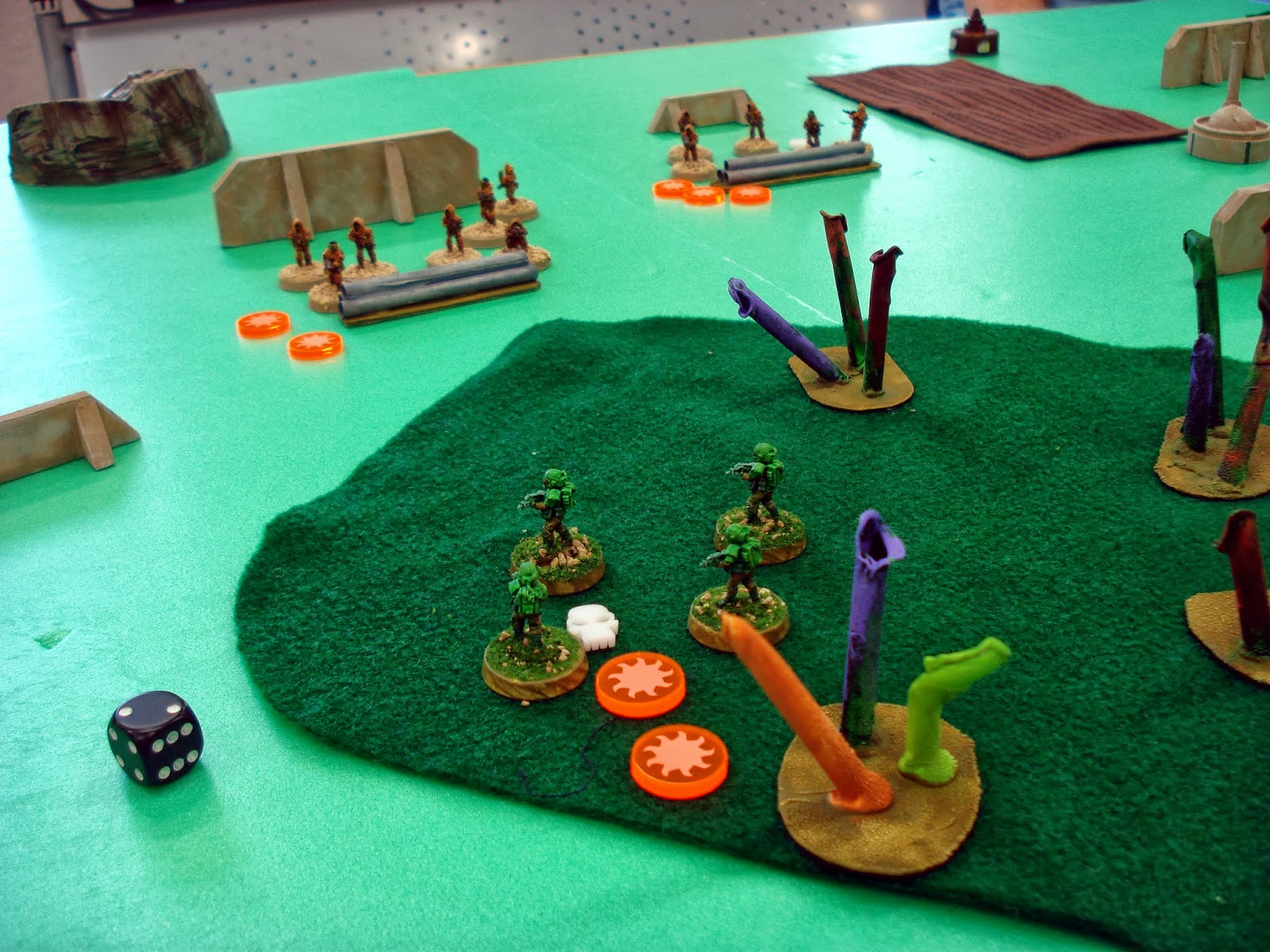
I’ve gushed quite a bit about Bolt Action and how it seems to scratch my itch for WWII skirmish gaming. The game can be well…. very gamey in handling combat. It isn’t a simulation rule set and it handles a lot of situations in an abstract way, not to mention a lot of wild mechanics. Also some can slip into min-max armies when crafting their force lists. Still it captures platoon-based action pretty well and also plays fairly quick without getting bogged down. It hits more high notes than flat ones, making it an enjoyable set of rules.
I’ve taken to it so much, it’s really spoiled me compared to other rules. I just haven’t found something that combines random dice order activation with a pinning mechanic quite like Bolt Action. So I figured why not just slap a sci-fi theme onto Bolt Action and see what comes out of it. The result is Bolt Gun Action. This isn’t a complete re-writing of the rules. Instead it’s pretty much the very same WWII game with some very small tweaks.

Rather than trying to get an entire point list together of new troops, I’ve defaulted to using a single army list as a baseline for points. Rifles are the normalized small arms. Basically it’s the game right out of the book with a smattering of new troops and added HQ options. I’ve also whipped up a quick reference sheet with the added rules included.
It’s pretty fun. Just your regular Bolt Action game with a few changes. I’ll likely give the rules another pass in a few months, but for now feel free to pilfer the links and I hope folks get some enjoyment out of these rules.
Skill challenges revisited – Part 2
Last time I talked a little about how I design skill challenges for 4E, and this time I’d like to go through some things I do when running them. As a short summary from the last post I’d always consider what failure brings, and what a partial victory would bring. This partial victory is a step below a fully overcoming the challenge. Lastly I’d have 2-3 ideal skills that would grant a bonus or an easier DC to checks, but not have a hard list of skills required for the challenge.
Use markers for success and failure – I have a stack of black and white baduk (Go) game pieces handy. During a challenge while I describe the results of the PC’s actions, I also hand out either a white (success) or black (failure) bead. It’s a small hint to the players they are on the right track for completing a challenge, and they can quickly determine the relative amount of successes and failures they have.
This is also a decent way to keep track of a longer skill challenge. If you have a challenge that is interspersed with encounters and other events, it’s a nice means to record their progress. You can always keep this information hidden and simply give them some feedback for the task. However having this simple prop relays how poorly or how close they are to succeeding.
Don’t give out the hard numbers – Like in a combat with offering HP totals and AC values, I don’t tell players they need X amount of successes before Y number of failures. I also don’t give the players target DC values. I will offer players some description how difficult a potential action might be, especially for high DC checks (ex. ‘You could possibly make a running jump across the bridge, but it will be exceedingly difficult’).
If you approach challenges with hard numbers and set DC values relayed to the players they’ll pick up on this. Keeping things to a narrative curbs the metagaming. I don’t mind offering a tally of failures and successes, but the unknown variables of how to tackle the challenge should avoid set values given to the players. This way the group has to make that choice of going all in or deciding to cut their losses if things go sour.
Everyone participates – The PCs can’t sit idly by and let one player do all the heavy lifting. They all have to try and contribute to tackling the problem, even just by using the assist another action. Most challenges I run go through rounds. At the end of each round players either win (including a partial victory) or they fail. Note that time can stretch out for hours to days if needed between each ‘round’ but the important thing is (like a combat) that everyone has an opportunity to do something.
Say, then do – I get all the players to first tell me what they are doing, or trying to do, in the challenge. Once I get it all in my head I figure out applicable skills and checks needed. Then everyone rolls. I determine successes and failures, line up the action for the next round and repeat the process. Get your players to narrate what they want to do first. Frequently you’ll have one player initiate the action with other PCs sort of metagaming to see the outcome, and then adjust their plans. I like everyone talking about what they want to do first, and then see if things work out.
Be flexible – If a player thinks of a really clever way to use Athletics during a negotiation challenge, I’ll let them do it at least once. Be accommodating to cool ideas. You want to encourage players to think of creative solutions to the challenge and pigeonholing them to specific skills won’t help. As mentioned though, I usually will let them make a check with an oddly applied skill once, then rein in any repeats (or bump up the DC to a horrendous amount). Still if your PCs pull out a fantastic idea for using a skill in a way you haven’t thought of, at least allow them to try for a check.
Don’t be a slave to the challenge structure – Ideally there should be a certain number of successes or failures before the challenge resolves. If things progress to a closure earlier, don’t force more checks to be made. There may come a point where your players make some sound arguments to influence some NPC. If they nailed it, don’t drag out the challenge, just award them a victory and move on (partial victories work wonders in this case).
Sometimes you might have PCs do something amazing (or pull a bone-head move). If so, consider awarding more successes or failures to them for that check. Alternately you can think about giving the player a huge bonus (or a penalty if needed) for the next check. As mentioned in the previous post, consider skill challenge rules as guidelines. It’s applicable to both designing and running them.
I hope these tips help DMs run skill challenges. While clunky at times, with enough under your belt you get a feel for how flexible they can be. All the while skill challenges provide a framework for resolving and rewarding great roleplaying. Don’t be intimidated with them and try to use them in your game.
Skill challenges revisited – Part 1
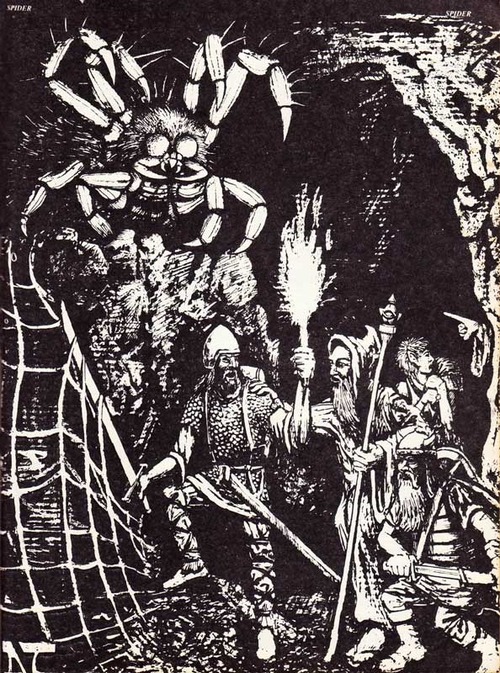 I’ve always been a fan of the concept of skill challenges. I like the idea of having some means of awarding XP for roleplaying and not just saddling it to some interpretive standard. Skill challenges in 4E really offered a DM some decent guidelines for doing that. Better yet, skill challenges laid out a way to offer XP to players for great roleplaying aside from your typical hacking up monsters and completing quests.
Skill challenges were far from perfect however. I think what stood out for me the most was how they were more a framework of rules when running them. In the past few years I began to tweak with designing skill challenges and altering how I ran them. After a while I sort of fell into a groove running them by getting input from all the players and keeping the challenge structure fluid.
It’s been awhile since I visited skill challenges, so I figured on posting a bit on some approaches I use with designing and running them. It can be tricky, but once you get some concepts down regarding them, they are a snap to make up and run. Onto some tips:
Rules are a framework, not set in stone – I think something important to remember at the onset is that skill challenges work best approaching their structure as a guideline rather than a hard set of rules. It’s easy to stick to difficulty labels and outcomes based on X successes before Y failures. It’s far better to be flexible with running them. You may get a stellar idea from a player. Why not offer them 2 successes (or even pass it immediately)? If you adhere to a set format unerringly, challenges can feel artificial and constrained.
Start with failure – When first thinking up a skill challenge, start with thinking about what happens when the PCs fail it. Do you have something interesting happen? Is there a way to keep the story moving? If the answer is no, then don’t make it a skill challenge. Failure should always be a possibility.
Say you decide players have to progress in some underground tomb by opening a sealed door. Sounds perfect for a skill challenge, right? If they open the door great! If not, then what happens? If the answer is the players turn around and go back to town, the adventure is over, rethink making it a skill challenge. In some cases you have situations that give the story a hard stop and moves everything off into another direction, but if that’s the case a skill challenge likely isn’t appropriate (you’ve got a major story branch instead). You should always consider what happens if the players fail a skill challenge and have an alternate plan.
In the above example failure might mean the players do bypass the door but one of the PCs gets severely injured. Maybe the door suddenly closes and the group is split up. Maybe they can’t open the door and instead have to go some other route that is longer or more dangerous. In each case the group can continue on with exploring the tomb, but have varying penalties and unfortunate circumstances due to failing the challenge. Make sure that failing the challenge doesn’t halt the adventure.
Have gradations of success – A partial success for a skill challenge should allow the players to squeak out a win. I typically set this as 1-2 less successes needed from the total to win the challenge. If they do this they are successful for the challenge but get ½ the experience reward. Think of this as a victory with some complications, or no clear advantage despite overcoming the challenge.
The alternate is a complete victory with the challenge. The players push themselves to get the required number of wins. Not only do they complete the challenge and get the full XP awarded but they will get some kind of advantage or benefit.
With the above door opening example, let’s say a failure means the party has to take a more difficult route. A complete victory means the players open the door and possibly can skip a potential encounter. A partial victory would then be in the middle of the two. Yes, the players get through the door but maybe they trigger the attention of some monsters. Maybe it’s a very difficult and taxing physically, so all the players lose a healing surge. While they complete the challenge, it’s not without some additional hardship.
Use preferred skills, not absolute ones – I think another trap to avoid is having a list of skills that are absolutely needed for the challenge. Instead you might want a short list of skills (2-3) that have an easier DC, or confer a small +1 bonus when utilized for the challenge. Additionally, I’d consider these as skills other players can utilize to assist another player. I’ll get a bit more into this with part 2, however giving a laundry list of checks for the players to select from is boring. Instead, you should be flexible with what skills can be used.
If players have to convince a Duke to release garrisoned troops to prevent a warband of orcs from heading through a pass, diplomacy might be a key skill for such a challenge. I’d figure that trying to reason with the Duke is a likely course of action and grant a +1 to using this skill for the challenge. But let’s say a player wants to use intimidation? If it’s not on the list of needed skills could it be used? Would intimidation be an automatic failure (after all I am seeing diplomacy as a key tactic)?
How about that player wanting to intimidate the Duke states they dig through a sack and produce the head of a slain orc. They throw it at the feet of the Duke and state this is what’s coming for the village. The orcs will likely do the same to him, his family, and all the common folk, hack off their heads and keep them as trophies. Locking yourself into a set list of skills required for a challenge will very likely also mean being inflexible when players give you a surprise like this. Give them some freedom to use different skills, and that starts by not demanding specific checks be made.
That’s it for now. In my next post I’ll go with some nuts and bolts with how I run challenges.
Encumbrance in SW Dark Sun
 So a while ago I posted about me stepping into Dark Sun using Savage Worlds and fortunately there is a ton of stuff out there to help with the conversion. One particular thing that has been sticking with me is some type of encumbrance system. SW handles it though a strict weight limit, and I just didn’t want to bother with keeping track of how heavy everything would be. However, I did want something. Dark Sun seems to be that kind of setting where you need to worry about how much water and supplies you can carry. It seems to thrive on having that kind of detail.
Enter Matt Rundle’s Anti-Hammerspace Item Tracker which is just genius. Basically characters have a finite number of slots to carry things in. All equipment and items are an abstraction of weight and space. The heavier the armor, the less slot space you have. While a spear may not be heavy, it is bulky, and likewise takes up more space than just considering the weight alone. I fell in love with it and had to use something similar in my game.
There were a few nagging details. One was I liked how Dark Sun had different types of coinage, something I wanted to reflect on the item sheet. Further, I needed to convert equipment and weapons into slots. In the end I created my own version of the anti-hammerspace tracker. Something that would also allow me to keep track of both metal and ceramic coins.
Lastly, I created my own weapons table including armor. I kept most of the stuff similar to the SW weapons in the rules but did make a few changes. All the prices are in silver (or pieces) and the weight is now listed as slots taken up.
The gang has really taken to this. Best of all, they know they can haul around only so many slots worth of water and supplies. Making it a trade off between having a lot of armor and gear, compared to being able to carry around enough food and water to last in the desert. Lastly, coinage is an issue and I’ve been able to bleed off some cash with poor exchange rates of silver to gold, or converting ceramic coins to metal. It’s a small thing, but helps add some realism to the setting, without being cluttered too much in simulation rules.
What are the monsters fighting for?
A big adjustment I had DMing 4E was to rethink how fights worked compared to AD&D. I used to throw down a lot of fights back then. Usually my dungeons were chock full of monsters and fights were fast and furious.
With 4E I find combats are a lot more dynamic and almost have a cinematic feel. They’re a lot more tactical and everyone is constantly maneuvering around for a better position. Even in an open room, in 4E you have a real engagement, where in AD&D it would be a glossed over fight (maybe some excitement if a person rolled a 20). It took me a while to wrap my head around how combats played out in 4E, and what works well (or doesn’t).
I found out one important thing with 4E fights, if you are fighting just to have some combat, it’ll make for a boring affair. In older versions this was never a big deal. If my group got jumped by a monster wandering the woods, I’d just play it out. 4E combats work better as staged set pieces. If you used an old approach of just dumping out monsters to fight on a grid, things get old pretty fast. So I learned to ask myself constantly, ‘why should this be a fight?’
I found this was critical in designing encounters and more importantly, stringing them together to make an enjoyable session. So when I’m planning out a dungeon, I try to think of a few reasons why I should be having a fight and what is the purpose of the combat encounter.
Moving the story along – Likely the number one reason players are trading blows with creatures. The group is in combat with a main villain, or some key encounter, because of the story. It is an event central to the plot. Not every fight has to hold a critical element to the campaign arc, but it’s something you should be striving for.
I try to avoid having a fight simply to give a clue. If I go this route, I try to limit to a few rounds, usually having the opposition run, surrender, or offer some other quick resolution to get the players moving on.
As an example, my players landed on a dock where a local crime lord had control over the longshoremen. A few burly dockworkers with cudgels badgered their ship captain into getting more coin to unload some cargo. They turned their ire towards the players, clearly itching for a fight (the non-lethal thumping of heads kind). Combat went for about two rounds before the town guards came in and broke it up, siding with the longshoremen on who started it.
It was a short fight, but it helped established a few key points that some dockworkers were more thugs than laborers, and that local authority were either corrupt or inept. I didn’t want to drag the fight out to a bloody conclusion. But at the same time I thought it useful to have the players exchanging a few blows, before getting some key information about the town they were in.
Drain the resources of the players – This is an effective way of ramping up the difficulty of later encounters. A straight up engagement against a group of guards may not have a tremendous story purpose. But if it is an encounter before the group moves further in a bandit camp to fight against the main bad guy, you’ve definitely have a reason to have the fight. While the party is expected to win, they will take a little damage. This results in healing surges being used, and may result in use of some magic item powers, all of which drains the resources of the party for future combats.
It’s a decent ploy to make that later combat against the main villain a little tougher, without having to ramp up the encounter level. If players have used most of their healing surges, a few magic items, possibly even a daily, you’ve got players working a much tougher fight. The main trick is to keep the group moving and not have them head back to town for an extended rest. This does not necessarily have to be a battle either. Traps make for great ways to drain the group resources also. Don’t forget that you don’t have to almost kill the players, you just need to dig into the HP a little and in turn, whittle away at their healing surge total.
A combat for the sake of combat – This is something I try to avoid. Yet sometimes after several nights of talking around problems and clever use of skills to overcome obstacles, it’s nice to have a throw down with some monsters and hack away at things. However I think for these type of encounters to work, you should have one rule. Keep things interesting.
Pull out the stops and have a fight on a collapsing bridge over a chasm. Dig through the monster manuals and pull out some wild planar creature. Whether it’s the location or the type of creatures they fight, make the combat exciting and memorable. A bar fight with some surly dwarves may have nothing to do with the campaign, but can make for a grand time. You won’t get the same player reaction from another nameless wilderness encounter in a wood clearing.
Don’t hesitate to hand wave a fight – Don’t worry about having an actual combat for every encounter also. If the players have to infiltrate a fortress and fight through waves of opposition, you don’t have to play out every combat. Hand wave a bit and resolve it through narration. Maybe have that first fight against a few initial guards and don’t worry about the rest. Save the encounter combat for the main boss at the end.
This is where healing surges work wonders. Tell the players they made their way through an orc enclave, slaying a few groups, then have each player lose a healing surge. If you want to be tricky, also roll a basic attack against each player and have them dock off another surge if you hit. It’s a nice way to represent some scrapes and bruises from a fight, without having to actually play out a combat.
In my past campaign, I had my players clear out a kruthik nest. The original layout was an optional encounter if they failed a skill challenge, followed by a tough fight, with a final fight against the nest queen. While my group succeeded at the skill challenge, they opted to take on the optional encounter. After that happened I looked hard an long at the second encounter.
Did I have to have this fight? Would it really push the story along? I wanted a series of progressive fights, ramping up the difficulty to emphasize the group was going deeper and coming closer to the nest queen. But that optional encounter took off a few healing surges, so did I really have to have another full battle to do the same? Nope. So I just narrated to the players they ran across more kruthik and killed them as they explored further the tunnels. I moved them on to the final fight, just handwaving the middle combat and sticking to the more meaningful final encounter against the nest queen.
These are a few things I keep in mind when I design a string of encounters. I still (as the kruthik example above) flub things. While it may look good in preparation, actual play can change things. You might get a really bad string of rolls from the players (and some awesome rolls for the monsters), so a simple fight on paper may end up being much more difficult. I try to keep things fluid with my plans and read the players’ moods at the table to keep things interesting.
So with 4E, I’ve had to shift my thinking about combats compared to previous editions and shed that idea of a throwaway combat. Seems DnDNext has let this creep back in somewhat. I’m sort of on the fence with that but by recognizing this difference in how combats fit into the story, it’s made my 4E game better.
Doing a Dark Sun hack using Savage Worlds
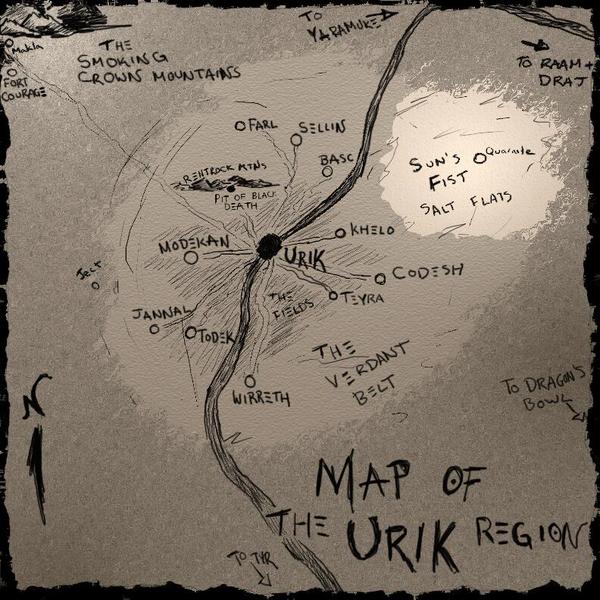 So the consensus of my group was if they were to dip their toe into fantasy, it would be a setting far away from traditional Tolkien-like high fantasy. Likewise, I think 4E was just not in the cards. Many of the players had that ‘been there, done that’ feeling with the game. After a year and a half, it was time to try something new.
So I took the plunge into Savage Worlds. A big part of the reason was that if we got tired of our regular campaign we could jump into something else without too much of a learning curve. I wanted modularity and Savage Worlds offered that. Also, I liked the streamlined system that Savage Worlds has. GURPS is a bit clunky for me and the character creation system, while very detailed, seems a bit of a chore to dig into.
We had made a short stint with a Savage Worlds hack of Traveller but that petered out due to extended summer vacations and a bunch of new folks coming into the group. The crew of High Hopes is still wandering the stars, but put on the back burner for now. Given some of the folks were acclimated with SW, likely we would stick with that for our next campaign.
With the game system decided, the next task was the setting. Supernatural horror and campy super hero stuff was on the table. Fantasy was initially a no go however I got to worrying about adventure ideas. I did not want to craft a huge overarching campaign story like last time and keep things pretty much a sand box. This was a bit of a kink for me if we dabbled in a more modern setting, as even with fantastical elements, I’d likely hit a wall with adventure ideas. Lately, fantasy settings seem to get my creative juices flowing more.
So I thought about using Dark Sun. Fortunately there is a ton of stuff that you can find online that has used Savage Worlds rules for the setting. Armed with a lot of good resources, I was able to whip up a rules a mishmash from different sources and other conversions to get a framework together of the different races and magic system.
One thing I did tweak a bit was the rules for weapons breakage. So in my game non-metal weapons will break on a critical failure for a fighting roll. If being used against a foe wearing metal armor, a roll of 1 on either fighting die results in the weapon breaking. Metal weapons are exempt from this rule. Further, metal weapons do +1 damage to targets not wearing metal armor.
It’s a small tweak, but I wanted something simple to remember and allowed for some advantages for wearing metal armor. Definitely this is something that will creep up on my player’s wish list of gear to get.
So far the group has been having fun in the setting. They have started in Raam and are making their way to the newly freed, Tyr. I think there will be lots of exciting things for them to do. Expect more posts in the future about the game.
 Geek Ken