Category: RPGs
Alleycon 2014 – A local gaming/fandom con in Gwangju
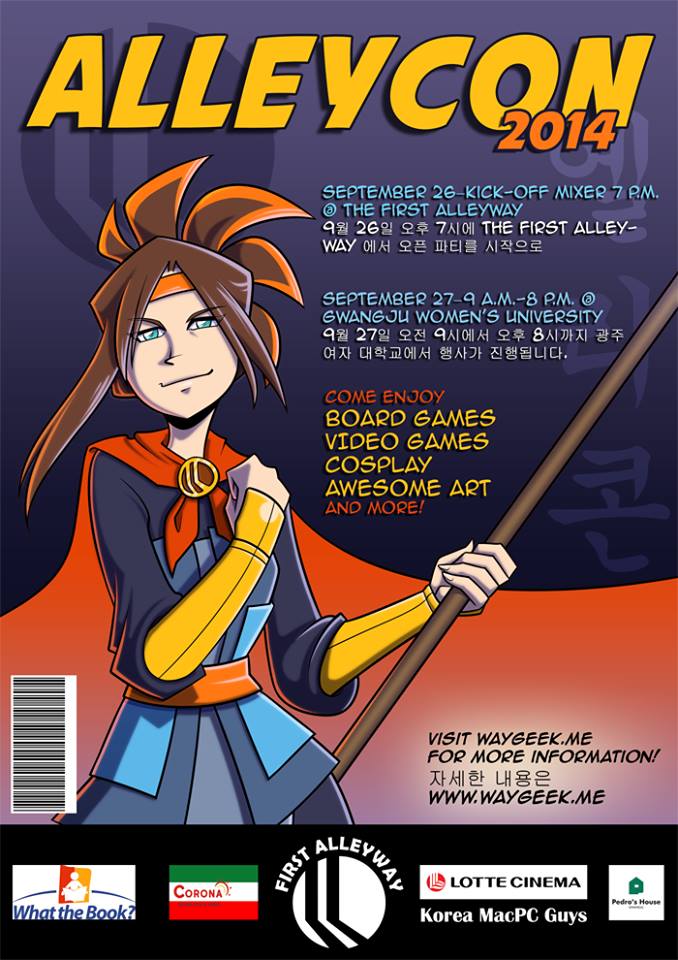
Last year a small geek fandom con dubbed, Alleycon, was run at a local eatery in Gwangju, Korea. This Sept. 27 it’ll be hosted in a larger venue at the Gwangju Women’s University. Last year the event was pretty fun and it looks like it’ll be bigger this year with some more guests and organized events.
Pre-registration I believe is closed, but seems there is still quite a few passes left so registration at the door shouldn’t be an issue. Not certain about the costs, but all day passes should run between 20,000-30,000 kwon. Best of all many con events will have proceeds going to a local orphanage. So you can spend some cash picking up (and playing) some geek-centric items and ease that guilt a little knowing you are doing some good at the same time.
There’ll be a cosplay contest, video games, some Q&A sessions via skype with some sci-fi authors, and a bevy of tabletop gaming. Along with set events, there will also be a room with open tables. So if you are itching to throw down and try out a game in your collection, this might be a great chance to try it out with a few like minded folks.
I’ll be running a Bolt Action demo game and also a Savage Worlds WWII game. Last year I did something similar and had a good time running events as most of my players had not tried RPGs or miniature wargames before. So it’s always a treat to give folks a chance to see what the hubub of gaming is all about.
Starting a Savage Worlds Cthulhu campaign

My weird west campaign is still chugging along. However I found myself dragging a bit with it. While I was gung ho at the onset, I found myself getting a little uninspired thinking up adventures. My players seem to be having a good time, but sometimes I’ve been struggling to keep up the enthusiasm for the setting. I’m convinced now I’ve been approaching it all wrong.
I wanted a spooky western. Yet I found keeping that suspense going has been a chore. There have been plenty of ‘Oh sh*t!’ moments my players have had. However maintaining that tension is just too hard to keep up. I simply don’t have the GM chops to run a longer horror-themed game.
I realized I didn’t need to though. I’ve recognized the player’s aren’t quite the investigator types with their characters. Running it as a Savage Worlds game, they are much more heroic. I needed to drop off emphasis of the supernatural and shoot for a western game with horror trappings instead. It’s a better fit now and I think I can keep a more even tone with the game.
It still leaves me with the adventure-planning burnout though. I certainly need to shake up the setting some and run something else. I took a poll of potential settings and decided to lump a 1930s Cthulhu game in with potential choices. Seems horror is popular as the group wanted to take a stab at a Lovecraft supernatural game.
It’s still horror, but I can certainly run it as a different type of game. The weird west campaign is one where the PCs run around as larger than life heroes, blowing holes in zombies with a trusty peacemaker. This other campaign the players will be wary investigators, needing to be prepared to flee, their mind cracked and sanity waning due to the terrifying knowledge of the Great Old Ones they encounter. More importantly, I can run this as episodic sessions. Just a short break from the weird west game that will let me recharge my GM batteries and craft some fun ideas when we all flip back to a western setting.
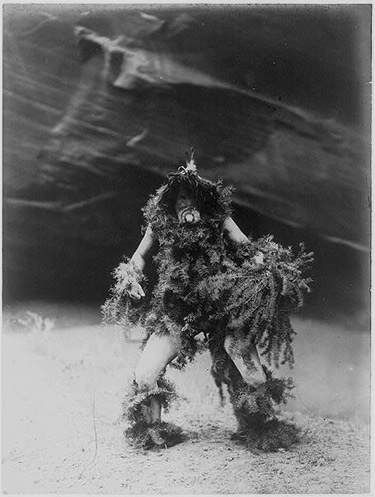
Savage Worlds is pretty flexible as genres go. However, I am super lazy and having some pre-made setting rules makes the task of running a new game much easier. I picked up Realms of Cthulhu and found the book a great purchase. It has a lot of options for different ranges of lethality and think the sanity system works pretty well. There are plenty of NPC templates and critters, not to mention a random adventure generator I can use in a pinch if needed.
I’m trying a different way of running this campaign, with a lot of story ideas up front leaving the PCs to decide what to check out. To pique their interest in potential story lines, I’m working on getting some props together. Likely that is something to warrant another post but I want to see it in action before talking about it.
As resources go, I’ve found a ton of wonderful online stuff including sites with lots of cool photos. Definitely looking forward to getting a creepy Cthulhu game going soon.
Travel for Savage Worlds
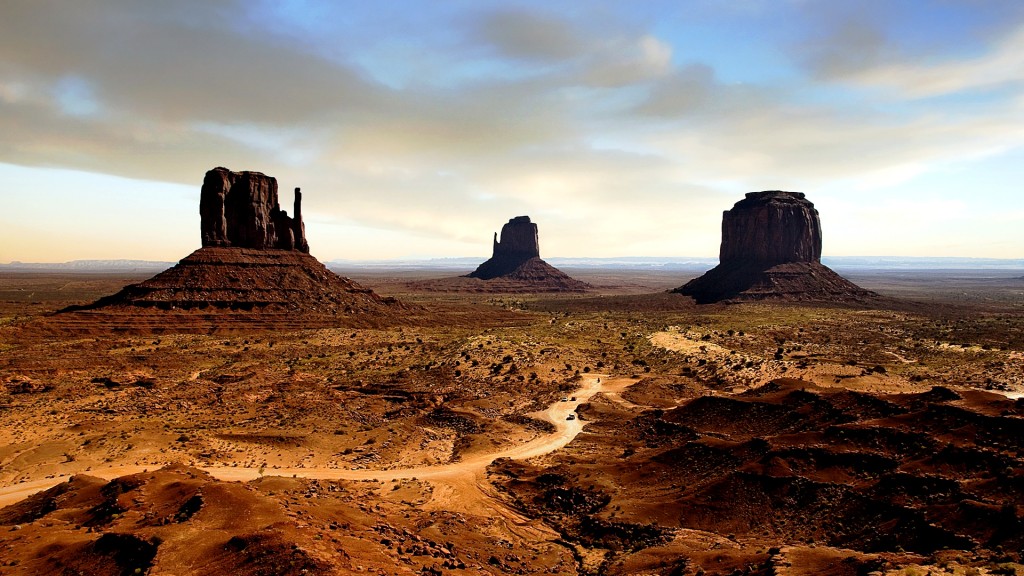 My weird west campaign has my players spending a lot of time in the saddle. Quite a few of the PCs opted to get survival and tracking as skills. It’s something they thought would be helpful and envisioned their characters as more hearty, pioneer folk rather than a bunch of gunhands wanting to stick around the saloons all the time. Because of this, I wanted to try and incorporate some type of events for overland travel which might use these skills, rather than just handwaving it all the time.
I was sort of stumped though. I wanted to try adding some structure to travel, but also have the opportunity for random encounters. I wanted players to be able to use skills to impact how efficiently they conducted their expedition. I also wanted provisions and keeping on course another factor.
Digging around, I found this wonderful set of random encounters for a fantasy SW setting. I really liked how these were laid out. However, it was still a bit clunky for me. So I opted to work on it a little more and make up my own version.
I kept everything related to using cards and had no dice rolling. I also tweaked it some related to expanded events in particular terrain. Really hazardous lands might incur more usage of provisions (which would relate back to fatigue). I wanted to keep this open ended and not get down to too many specifics, in order to allow the rules to be used for a variety of settings. You can draw a single card every day, or instead decide to draw only for each important milestone.
Likewise some of the events are sketched out. Inclement weather could mean the players might suffer exposure and need to make vigor rolls to avoid fatigue. Possibly another check might need to be made to avoid a wound. Say some heavy rains have made riding along a mountainous path dangerous. So failed riding skill checks could have the player’s mount be injured (or themselves taking damage from a fall).
One big change is the number of provisions needed. If you are planning an expedition, you’re going to take enough food to get you there and back again. At key points you’ll be going through food, water, and other items needed during your journey. I wanted to reduce the overhead of excessive bookkeeping and avoid the need to keep track of various ‘legs’ of a journey. So I opted to just have set points where players exhaust a level of provisions. Be mindful that if you are drawing a card every day, but a trip might take 10 days to complete, players will likely quickly run out of provision markers early. It might be better to draw a card every 3 days or so instead.
So here are my travel rules for Savage Worlds. They allow for a variety of events where player abilities can help in reducing misfortune. I think they are also relatively generic enough to work in a variety of settings. Hope people get some use out of them around the game table.
Expeditions of Amazing Adventure: The giant battlegrounds of Gormthal Peaks
Far to the southeast lie the Edgeworld mountains. The furthest range east, south of the gap claimed by the Karagan-Shale dwarven clan is the Gormthal Peaks. This harsh landscape of stone and lava has long been a home to both fire and storm giants alike. For centuries, the giant clans held a loose alliance against the stalwart dwarves that clung to old holds at the base of the mountain range.
However, such a tepid alliance was sundered when the widowed king of the fire giants stole away the storm giant king’s eldest daughter. Such a brazen act, without consul from the father for a blessing (and more importantly, a sizable dowry) was deemed an irreverent insult to the storm giant clans. A great war was taken up that raged on for years. Decades later it still goes on, but no longer are great battles fought. Instead small skirmishes continually break out among their borders, primarily from young giants seeking to make a name fighting their enemy kin.

Such a war among these great beings has taken a severe toll on the landscape. Gormthal Peaks was always dappled with volcanic rock. However now the mountain stone is gouged with deep burning slashes and lava exploding into surrounding soot-choked air. As an answer to the continual gouts of flame and lava, ever rolling dark clouds billow above, arcing lightning and expelling frequent bouts of acrid rain.
What forced the fire giant king to do such a reckless act? None can state with any authority. Some claim that the storm giant princess was claimed without her consent and is still a prisoner within his fiery halls.
Other more bardic tales weave one of forbidden love. The princess knew that her father would never bless their marriage and no dowry would ever satisfy her father’s greed, so she herself spirited away to her lover. So enraged was the storm giant king, that he struck out at the fire giants, claiming he was wronged. Better to fight a war than admit the wounding of his pride, that his very daughter sought true love over family honor.
With war brings opportunities for some. Those willing to make the long trek and face the harsh wilds teeming with vile monsters may find some employ among the giants. Each side is always in dire need of reports of troop movements and activities among the respective war councils. Such efforts of espionage is best done with smaller folk and outsiders. While wary employers, known for wicked deceitfulness, some mercenaries with more neutral philosophies have found work aligning themselves with one giant faction.
Such open employment is looked down on very harshly from the neighboring dwarven clans. However the dwarves have been known to also recruit outsiders to play the part of mercenaries for the giants. Adopting this facade some have done greater acts of subterfuge within the giant holds, most secretly pass information to the Karagan-Shale clan on the activities of their giant enemies. This work is a dangerous game, not only risking the perilous wildlife within the mountains, but also the wrath of the giants if such a betrayal is discovered.
Review: Broken Earth – a Savage Worlds adventure setting
 I sort of lean away from a lot of official Savage World adventure settings and stick with the companion books instead. While having material for a particular setting is great, usually the official settings are a bit much. I completely dig the idea that they take your typical genre and give it a hearty turn. So a setting like Necessary Evil isn’t just with superheroes, but has the PCs playing villains which are trying to fight against an alien invasion of Earth. The official campaign settings are fun twists of your typical genre, but I lean a little more vanilla for my world settings.
A favorite post-apocalypse setting out there for Savage Worlds is, “The Day After Ragnarok.” However it’s got some odd bits dealing with an aftermath closer to the end of WWII. It’s almost a bizarre alternate history setting rather than a futuristic post-apocalyptic one. Likewise, I could always mine Gamma World for stuff, but at times it’s a little too gonzo.
Enter Broken Earth from Sneak Attack Press. This SW campaign setting is a tad more muted with content compared to your typical Gamma World-type game. While it deals with trying to survive in a world altered after a nuclear war, it’s more aligned with the classic, Aftermath! RPG.
Think more along the lines of the Road Warrior and Book of Eli as a setting vibe. That’s not to go without saying mutations aren’t options in the game. They are there, along with more fantastic mutated creatures, but it’s toned down some. The campaign setting is within the northern midwest spilling a little into former Canada. However the major factions and locations could easily be plopped into any other location with little alteration.
Players have a few options for races aside from your typical human. They range from tough irradiated freaks, to non-tech but intelligent ape-beings. Androids and psychic mutants are also an option. Overall the races have small edges balanced with a few hindrances, but nothing is too extensive making me more inclined to include them in a game even if they are a little out there.
As for special backgrounds, mutants, super science, a variety of psychic disciplines, as well as a special alchemist type which make super drugs (akin to the stuff you’d find in a Fallout video game) are all possibilities. It’s a way of giving the game trappings of a stranger theme but not too over-the-top and you’ll find many of the mutation edges conferring small bonuses. A nice turnaround with this are hindrances that can also be related to mutations, so not everything has to give you superpowers.
There are not a lot of additional rules for the setting which is something I like. There’s some details on races and a handful of edges and hindrances. The arcane background types have a few options, but nothing overbearing. Gear and loot have an additional characteristic based on rarity. While lasers and futuristic weapons are given stats, they are exceedingly rare, as are conventional firearms. So by default rules players will likely be pressed to ever get their hands on one (and as such ‘mundane’ items would make for great rewards).
There are some interesting rules regarding communities. They are given basic characteristics along with edges. It’s a concept continually reinforced that players should have strong ties to certain communities, and that these communities can change over time. It’s a simple set of rules that really give life to the world and allow for each location to stand out more than being just a list of characteristics.
On the GM side of things you have a detailed location with several different communities and various NPC wild-cards. The players have an option of aligning themselves with 3 main political groups. One is a nomadic tribe of hunters and gatherers, another is a tech-loving survival group that has been locked away in an underground complex for decades, and the last is a free-wheeling merchant group that maintains its status by being the main trader for various communities.
The factions are interesting. Each one has room for PCs to grow, and include options for forcing them out into the world. Best of all, every faction has faults. The Iron Shelter group are tech-driven survivalists, but they could also be seen a xenophobic community fearing change and perfectly willing to stay hunkered down in their rigid, controlled society. The Wright family head up an immensely successful group of people that thrive on mutual trade, but only those in the extended Wright family really benefit while others in their community live in squalor. It’s these flaws that help inject some gray into what might be considered a black and white world.
There are other factions for the GM to play around with. Most notable is the Green Empire, being formally a small community of ecological protectors, that have slowly morphed into a slavery driven empire powered by biodiesel-fueled vehicles. The initial plot point adventure has the players facing off against representatives from this group. There is an additional plot point campaign more epic in scale, where players initially aid and fight against various sentient AI supercomputers. This plot point campaign involves PCs traveling and exploring lost technical complexes and facing off against robotic sentries. It very much has a Gamma World vibe.
These aren’t the only seeds for adventures, with plenty of smaller adventure plots also included in the book. Along with an extensive list of important NPCs for particular locales, a slim bestiary, and oodles of random encounter charts, there are a lot of tools here for your game. It’s a well put together setting with enough parts for a GM to take a kitchen sink approach, taking everything between the covers, to trimming some options and still having enough to make the setting stand out.
The Good – It’s a great post-apocalypse setting. There are enough rules and detail to give the world some flavor, but not be burdened down by a slog of new material. The setting itself takes an idea of a world about 20-30 years in the future that suddenly ends due to a cataclysmic nuclear war, and then adds another 80 years of recovery to the current day. So it allows some wiggle room for the fantastic with high-tech gadgets, but at the same time have many backdrop trappings of the world now. There are a lot of tables, NPCs, and information on locales and the various factions within them to give the GM plenty of material to easily run a game.
The hardback book is good thick stock with most of the art evocative of the theme. There is an index along with a table of contents which is always a plus. The pages are simple black and white with a comfortable font for reading.
The Bad – One big gripe I have are the maps. The hex scale is nice and the labels are clear, however it still requires a legend. I really wish a more general map with named locations was provided. The book clearly designed to go hand in hand with the SW core rules, yet having some more tables and details on environmental hazards would have been nice. The page stock is a tad thin, and some of the text is rather close to the binding. I wish they were a little more generous with the margin spacing.
The Verdict –Broken Earth is very much a niche campaign book. It isn’t quite a wild-weird setting that something like Gamma World would cover. It doesn’t have room for you to make up tons of bizarre mutants and lots of wild sci-fi tech. It does however provide a little more grounded post-apocalypse world. There is certainly some freedom in the setting to incorporate weird stuff. While the setting has androids, mutants, and psychics, all being a little fantastical, it’s still much closer to a world like a Canticle for Leibowitz, Aftermath!, or Twilight 2000. I think the Fallout video game series captures it the best. It’s a post-apocalyptic setting that is a little off-kilter from a ‘realistic’ world like the Road Warrior.
There are a couple of things I really like about the book. There are some new rules, edges, hindrances, but not so much so that it becomes an entirely different game. It really embraces the adventure setting philosophy of supplementing the Savage Worlds rulebook, not replacing it. The game has a lot of tools to help a GM run the game. There are lots of random encounter charts, random loot, and a ton of typical extras and wildcard NPC personalities.
Finally, does Broken Earth provide enough material to easily run a post-apocalypse game? That is a resounding yes. There are enough NPCs, critters, and detailed locations to seed a lot of adventures. Even better is that there are plenty of campaign plot points to tell a grander adventure (with plenty of opportunities to run a smaller games too). This is very much a pick up and play campaign setting and it’s all enclosed in a single book. If you wanted to take a stab at running a post-apocalyptic game using Savage Worlds, where players carefully explore dangerous ruins with a pitted, rusty metal spear in one hand and a prized, weathered, laser pistol in the other, this book will fit the bill.
Digby’s Wondrous Arcane Wares: Thief’s Paw
[A shriveled gnome travels the lands in a ledge wagon drawn by an old donkey. The cart itself appears as a simple shack of knot-ridden boards with tarnished brass fittings precariously perched on four solid wooden wheels. The gnome claims to be none other than the famed mad alchemist and mystic, Digby. Such a fanciful tale is likely just a ploy to sell enchanted trinkets as it would make the gnome well over 500 years old. However one cannot deny the gnarled form is surprisingly deft and almost spritely in step as he moves about his shop. Nearly every village or city within the lands will have Digby come for a visit during the year. When doing so he always makes a simple camp out at the town border, opening his stock of arcane goods to whomever passes, and eagerly offering tales of the magical items of Dungeon World].

Thief’s Paw
Weight 0, Far, Grotesque
This shriveled hand is rumored to have been severed from a thieving ‘adventurer’ and cursed by a powerful lich. The gnarled, blackened hand is stiff and smells of pungent oils and sickly sweet herbs. When held and a brief sentence given as a command, the hand can be dropped and it will slowly scuttle off attempting to complete its task.
The hand is clumsy with a paltry strength. It can carry small items that might fit within its leathery palm of a weight no more than a pound. It cannot offer any deft manipulation of objects, as the joints stiffly creak and fumble with anything but the most basic of mechanical devices. One interesting characteristic is that the hand is a fair climber, able to dig its chipped nails into stonework and even slowly climb up walls.
While it will steadfastly attempt to complete its task and slowly scramble back to its owner, the paw operates as an automaton. It possesses no stealth and some find using the paw can be maddeningly frustrating at times. If ordered to unlatch a window, the paw will open the nearest and dutifully return to its owner, whether the targeted window was the desired one by its master or not.
Nonetheless, the Thief’s Paw is highly sought by burglars. Such rogues have found it able to steal small trinkets and sneak back keys to locked doors. Although having this ghastly trophy could bring more trouble on the owner, as it usually will pique the interest of town guards and other holy followers for possessing a such a necromatic fetish.
DM Tip: Intimidation isn’t always bad cop, worse cop
This always seems to happen. You’ve got a NPC refusing to offer some assistance or key information. Then a player grabs a d20 and tells you they are cuffing the guy across the face and demanding something, rolling off using their intimidation skill. It’s at a point like this where I might turn the NPC into a gibbering heap, spouting snot, tears, and nonsense, completely worthless for offering any help. That demonstration of physical force and the threat of more has rendered the person panicked in utter fear, unable to act. Or alternately, I might even push an NPC into responding with violence as they feel they have no doubt the player means them harm.
I always viewed intimidation as more than just physical threats against someone. I see intimidation almost like insight, but keyed in on sensing weakness. They are able to read that weakness and then use it as a tool to force someone to their whims.
It can certainly be a physical aspect but it doesn’t have to just be a warrior hefting a weapon threateningly. It could be a stare or a physical presence that instills doubt. We’ve likely all experienced this before. You’ve met someone that just carries themselves in a way that projects threat.
Take the crime drama, Knockaround Guys. There is a scene where Vin Diesel gives a beat down on a local thug in a bar. His dialog at the start of that scene is great. It’s just him talking about wanting to be a tough guy and figuring as a kid 500 fights was the number needed. He describes his reasoning and simply starts taking off his jacket. You can see the steam and ego of his opponent just deflate. The local thug has overstepped the line. In front of him is a legitimate tough and all of this is achieved through words and an imposing physical presence.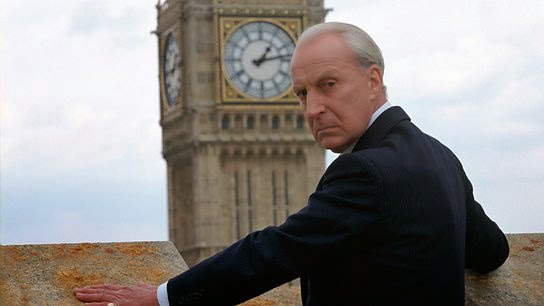
Intimidation is the key ability to know what threats will work and what will sting the most. It’s an ability to read the social standing of someone, and likely what they hold near and dear. Threats don’t have to be physical. They can target a NPC’s character and their standing with the law, or maybe a threat to dishonor them in society or to family (think Francis Urquhart/Underwood from House of Cards).
Someone with a high skill in intimidation can also likely read when a threat is serious or not. It’s staring right through a facade of a violent display and recognizing it for being just chest thumping and bluster. So PCs with this skill could read certain threats and certain social situations much like insight would.
Unlike diplomacy, that seeks a common ground and tries to build cooperation through good will, Intimidation is all about manipulating people through threats (real or perceived). Not all of these threats have to be physical. When you look at intimidation as a means of seeing weakness in someone, and being able to capitalize on that, you open the door for a lot more opportunities and a variety of means to use the skill. Consider letting your PCs explore intimidation being more than just the ability to get answers from someone by knocking out teeth.
Why is the starter set for D&D ignored?
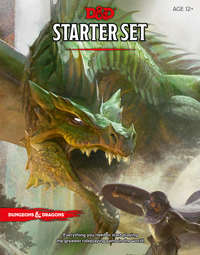
So news has hit like a ton of bricks about the release schedule for DnDnext. EN World got a scoop and have followed up the official announcement over on the WotC main page. Two big things that stand out are a staggered release for the core books with the DMG rounding up the group last. The next bit of news that seems to get a lot of chatter are the prices, which tips in at $50 a book.
That’s pretty hefty. I can totally see how folks could be put off by that. Some also have been pretty vocal about the price of entry for the new edition being too high, so high they aren’t going to bother. What I don’t get is how the starter set is completely ignored by them.
I guess people are imagining the worst with the starter set. Honestly I felt much of the past introduction products for 4E were lackluster. However I have hopes for the new boxed set. I really have a vibe they are going for a more complete product with the introductory box.
One thing that stands out is that the boxed set will allow characters to jump up to 5th level. Hopefully there will be some rules for character generation. Some of which that has been hinted looks positive:
Lots of questions about character creation and the starter set – you will definitely be able to make characters when it comes out.
— Mike Mearls (@mikemearls) May 19, 2014
However there are some other comments that make me wonder if WotC will adopt a more open approach to getting those rules out. There might be slimmed down rule PDFs or an online character generator:
Lots of Q’s about the staggered release: You will not need the MM or DMG to run a campaign. Or the PH or Starter Set to make a character.
— Mike Mearls (@mikemearls) May 20, 2014
This last bit makes sense. The public playtest rules are out in the wild. While torrents are illegal, folks at WotC have to recognize stuff is out there, so why not embrace it somewhat and provide free, legal PDFs of their own? More importantly, if there are tweaks to abilities, spells, and powers, an electronic version can be pulled and a new errata version put up. It could be a nice way to ensure players are bringing up-to-date characters around the table at public play events.
The starter set might be lackluster with just pregens and a simple basic adventure. However it might also be a pretty phenomenal product. It might have the muscle in rules and material to be the only thing needed to play D&D. If you really want options and the full plethora of creatures, treasure, and classes, the core books are the way to go. But if you want to play a game and get a few levels in for some characters, the starter set might be a solid option.
It may very well be the product that everyone points to and says, ‘This is what you need to play D&D.‘ It’s only $20 too. A great price for hopefully a great product to get people playing D&D. Maybe with all the gnashing of teeth and ire over the core books, folks need to remember there is a product that will be out there made especially for those that want to try D&D out, and it’s far less than the $150 price tag of the core books.
Savage Sun! – A Savage Worlds conversion for Dark Sun

A long while back my group was willing to jump back into a fantasy setting, but they wanted something very different from your typical Tolkien-esque world. So it was agreed to run a Dark Sun game using Savage Worlds. Unfortunately that meant I had to dig up some conversions of the setting for those rules.
Digging around however I found quite a few treasures. There are some great SW conversions for Dark Sun. I opted to merge a lot of different sources into a single setting PDF. As part of this, I also wanted to tinker a bit with armor and weapons. A while back I posted on a wonderful idea for keeping track of encumbrance that I found on another blog. So I altered the weight of different weapons expressing them as inventory space slots to fit that encumbrance system.
My group had a lot of fun running around Athas. Sadly, some folks moved out of the country and others moved to another city, so we ended the campaign. Still it was enjoyable while it lasted and likely a setting I’ll revisit again.
EDIT: Doing some digging I managed to track down the person responsible for the bulk of the racial text and the individual that did the foundation to much of the conversion, Rich Ranallo. You can dig through Savage Heroes to find his original conversion.
The importance of maps
I’ve gone back and forth with maps. On one hand my free time is limited. Rarely I have the time (or skill) to hand draw an elaborate map for my game. While mining online resources is always an option, it does take some time and usually difficult to get a map that is precisely what would fit your game. So at times I’ve slipped into giving a locale or backdrop environment a narrative description. While it does cut down my game prep time, just describing something doesn’t seem to grasp my PC’s interest.
As one deficiency to using a narrative approach, I don’t spout a thesaurus-like vocabulary when I try to evoke a mental picture in everyone’s head. I just can’t seem to get that descriptive and it never seems to match that of a physical representation. Having a physical document, where everyone eagerly props their elbows up on the table to gaze over a printed page, just seems to capture their imagination more.

This works for me too, I just seem to sprout more ideas when I sketch out something. It even works just looking at maps. The Nentir Vale seems more alive when you have a map to gaze at. Even a sparse one like over at D&D Doodle gets your story gears churning. The paved road through the woods depicted there just oozes theme. Could there be bandits? And what of the Farmer’s stead nearby? Does he offer a reprieve from the elements? Or are travelers forced to camp near the waystone before the long trek through the forest? And what of the barren patch of hills to the north?
For my recent Savage Worlds weird west campaign I managed to snag a wonderful alternate history map of the US. The various political states got me thinking about different movers and shakers within this fictional Americas. How did Texas become an independent republic? How friendly would the Union be towards the British Possessions in what would be Canada today? Would the former colonies be close or would they have better relations with the relatively independent Dominion of Canada? All of the partitioned country boundaries of these Americas got me thinking of potential allies and villains for my PCs.
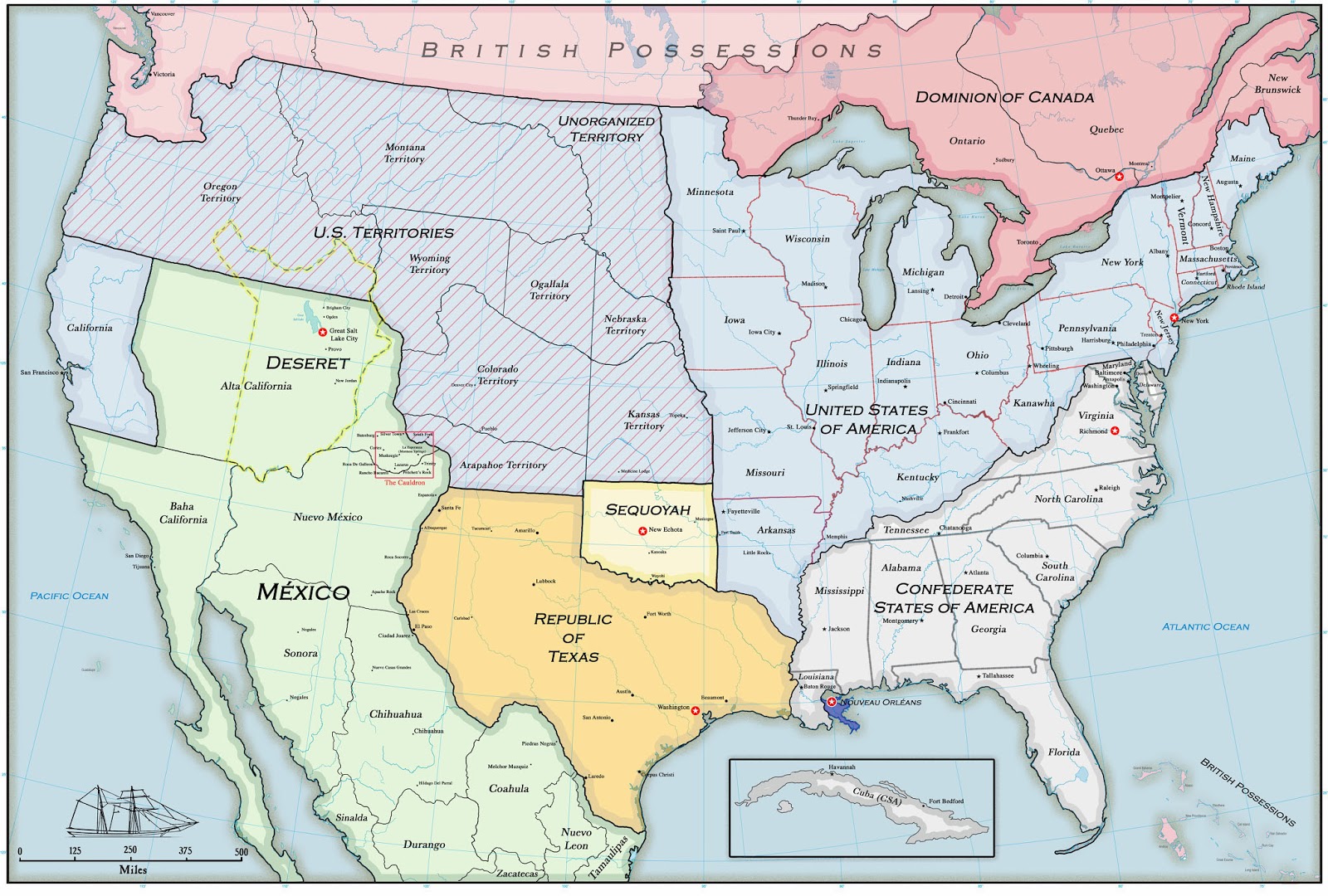
Maps do that. They spark the imagination of players and can certainly get your creative juices going as a DM. There’s a certain concrete feeling of having a physical document in your hand that cordons off potential wild thoughts into tactile plans for stories.
So when considering thinking up your next grand adventure or new campaign. Spend some time sketching or searching for a suitable map. You’d be surprised how many ideas you can get from an image of transecting lines and the stories that might spring from them.
 Geek Ken