Category: RPGs
Webcomics as RPG inspiration
I’m a dork. I love comics. My collecting days faded long ago but the resurgence of trades has allowed me to rediscover my love of comics. Fortunately the medium has spread out to some wonderful online comics too.
I’m knee deep in a weird west Savage Worlds campaign now but I’m always on the prowl for ideas. A big plus of Savage Worlds is it’s a fairly generic rule system. If my players want to take a break and do a one shot in a different setting, we can make the jump and not get too bogged down with learning another system.
Given just about anything is on the table if I get a fancy for running something different, I tend to find inspiration in a lot of comics. Lately I’ve been enjoying a slew of online stuff that has gotten my adventure-generating juices going. With the combination of images and text, I just seem to get a lot of inspiration from them. Here’s a list of a few I’ve been enjoying as of late…

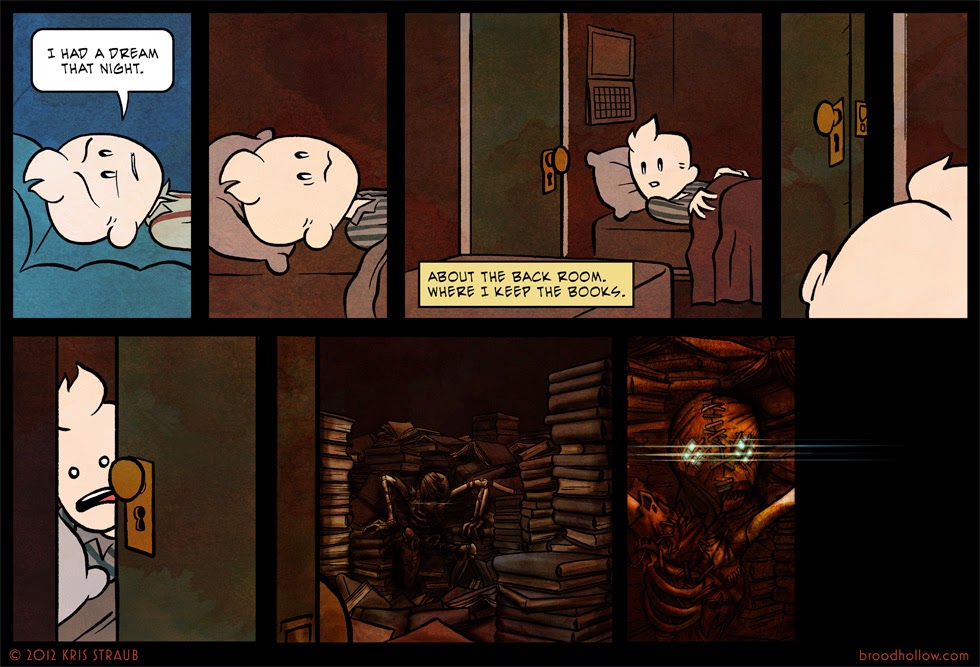 Broodhollow – First up is a wonderful supernatural comic from the same fellow that does Chainsawsuit and the concluded Starslip. Set in the 30s it tells of Wadsworth Zane, a phobia-riddled salesman, that decides to heed the call of managing the affairs of a long lost relative which left him an antique store in their will. The town itself is steeped in odd traditions, unexplained events, and townsfolk seeming oblivious to the strange goings on.
It has a humorous charm and certainly strives for tickling the reader’s funny bone. However, like the town of Broodhollow itself, under the surface are moments of stark, skin-crawling horror. A nice source of inspiration for any Call of Cthulhu game.
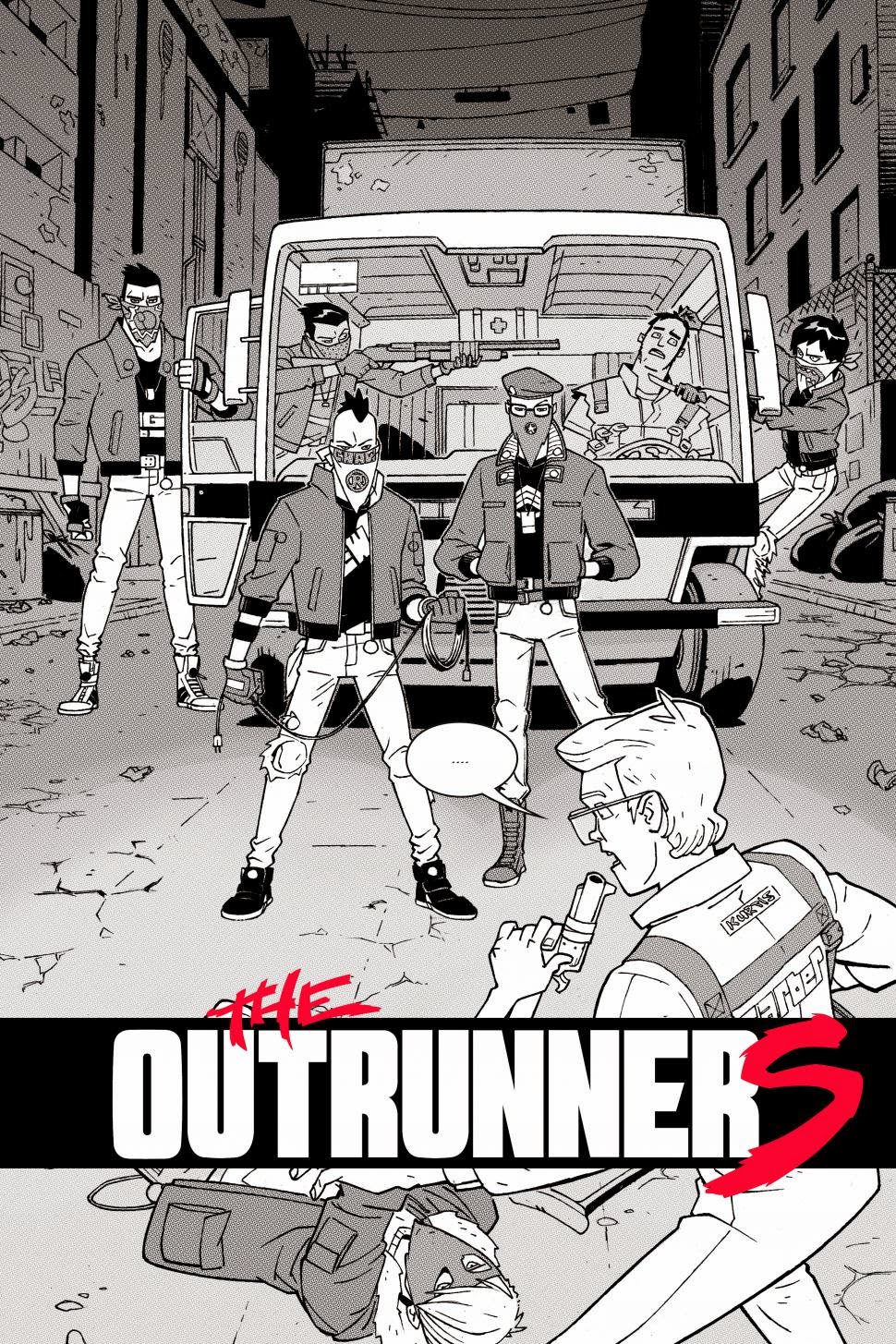 Outrunners – I wish I knew more about the artist for this gritty futuristic webcomic. All I know is it oozes cool as street gangs of the future fight over what turf they can and against oppressive law enforcers. The story revolves mainly around the reckless and headstrong, Reck, and the gang she runs with. It’s a world of haves and have-nots with the Outrunners trying to scrape out a piece for themselves.
There is wonderful stuff here. The action is enjoyable and if anything, the dialog really seems to capture that Akira bike gang feel. While not quite cyberpunk, it has a great tough street theme and face it, running a game or two where PCs are part of a futuristic street bike gang would make for an amazing time.
Kill 6 Billion Demons – This is just trippy stuff. Not sure if this is a solo story effort, or done through collaborative storytelling. Nonetheless K6BD seems to capture that wild fantasy setting of Planetscape and the planar city of Sigil quite well. I’m still trying to wrap my head around the story some. All I can say is that much of it is just otherworldly.
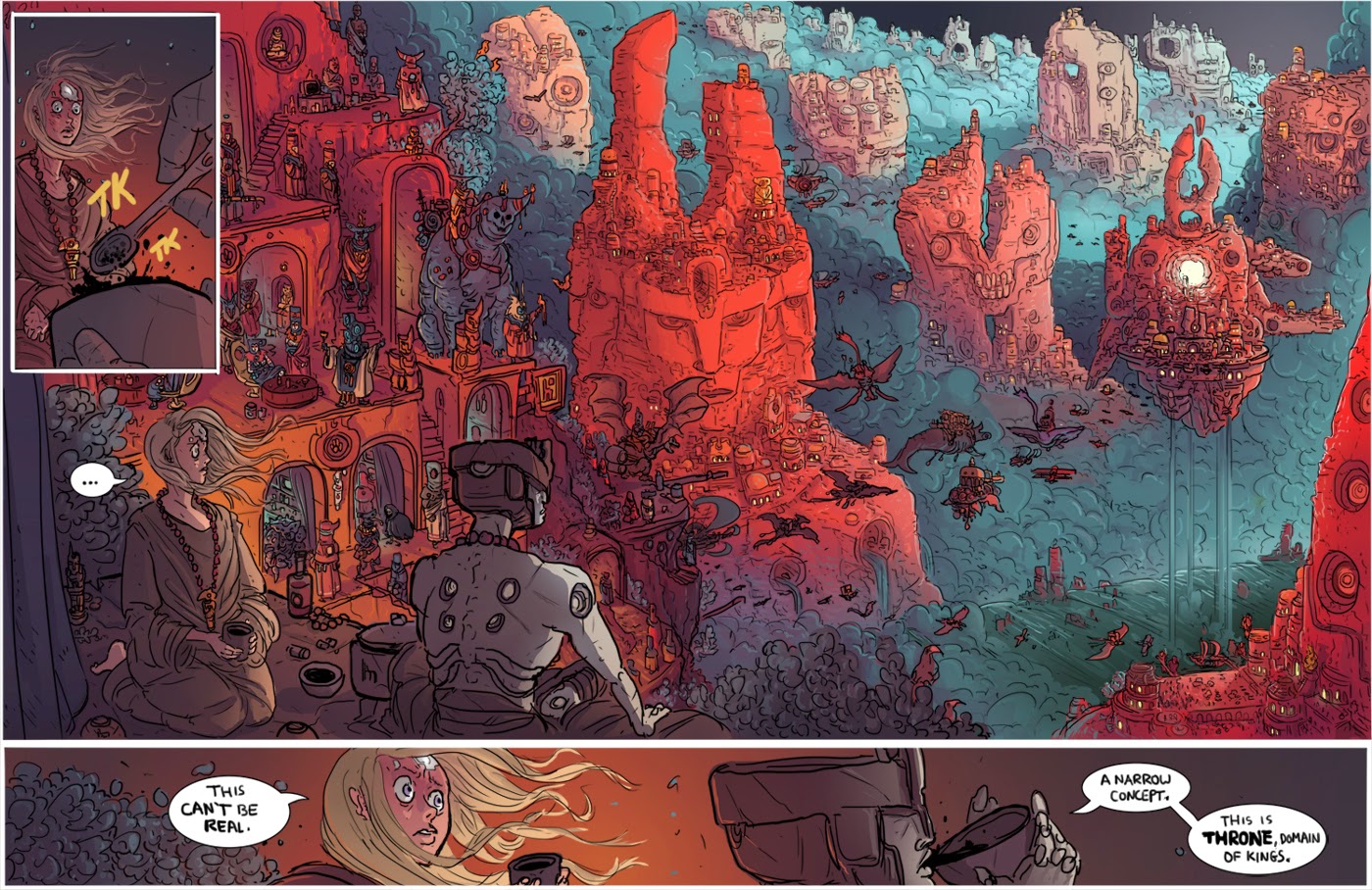
The visuals of the comic express a teeming city of bizarre beings and creatures, with strange merchants that deal in the property of spiritual essences. It really is a great source of inspiration for a wild urban fantasy game and worth checking out.
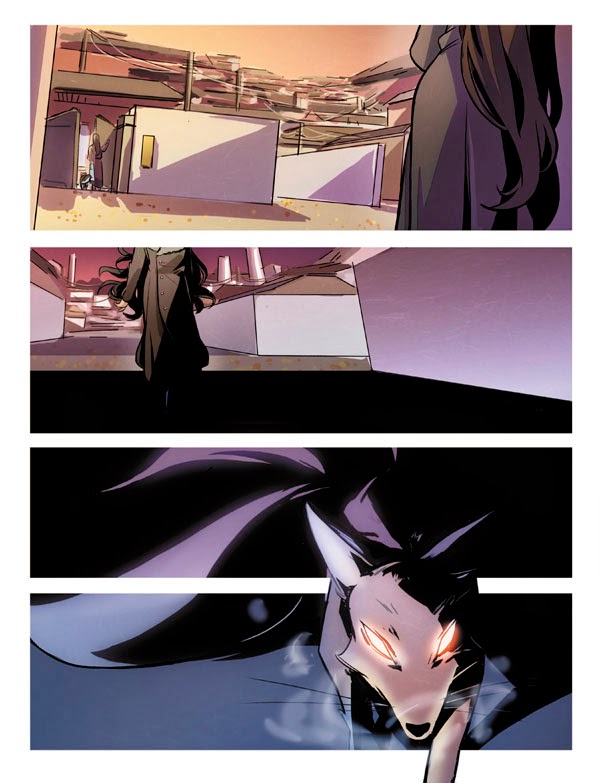 The Fox Sister – Set in the late 60s in Korea, this tells a more modern version of a classic Korean folk tale. Yun Hee is a shaman and slayer of demonic creatures. As a child she lost her entire family to a kumiho, or 9 tailed fox demon. She still pursues the creature that possesses the body of her sister. It’s an enjoyable comic with a more action oriented take on horror.
It’s a modern supernatural story with an Asian touch. It manages to merge different cultural views in the story as one of the main characters is an American missionary. When I’ve run past supernatural RPG sessions, it’s always been seated firmly in a western setting. The Fox Sister has sparked my interest in exploring other horror mythos and has made the idea of running a game in an Asian setting more approachable.
That’s pretty much some of the webcomics I’ve been farming for ideas as of late. I hope folks take a bit of time to give them a look and find some enjoyment with reading them. And if you also manage to get inspiration for your own RPG adventures, well that’s even better.
Digby’s Wondrous Arcane Wares: Will-o-wisp Lantern
[A shriveled gnome travels the lands in a ledge wagon drawn by an old donkey. The cart itself appears as a simple shack of knot ridden boards with tarnished brass fittings precariously perched on four solid wooden wheels. The gnome claims to be none other than the famed mad alchemist and mystic, Digby. Such a fanciful tale is likely just a ploy to sell enchanted trinkets as it would make the gnome well over 500 years old. However one cannot deny the gnarled form is surprisingly deft and almost spritely in step as he moves about his shop. Nearly every village or city within the lands will have Digby come for a visit during the year. When doing so he always makes a simple camp out at the town border, opening his stock of arcane goods to whomever passes, and eagerly offering tales of the magical items of Dungeon World].

Will-O-Wisp Lantern
touch, 0 weight
This plain brass lantern has a large open face and a stub of candle within. Engraved on the worn handle is a single word in dwarven flanked by unusual runes. When held aloft and the word is spoken, the lamp alights giving off a bright light equivalent to several torches. The candle within the lantern does not ‘burn’ nor give off heat. The ghostly, white-blue light can only be extinguished if the engraved word is spoken again.
What is particularly amazing about the lantern is that once lit by the command word it will hover in place when released. If the speaker moves, the lantern will follow at a leisurely pace, hovering and always remaining within 10 feet. If a weight greater than a single coin is placed on the hovering lamp it will descend and rest on the ground, still giving off light. Attempts to tie a rope or use the lantern as a means of levitation will fail.
If another person touches the lantern, aside from the person that spoke the command word, it will immediately extinguish itself and crash to the ground, awaiting to be lit again by the magical word inscribed on it.
Wild Dead West – Savage Worlds campaign

My roleplaying days have waned a bit over the past few months. We took a long break playing a lot of board games, including running a campaign session for Descent. Then some of my players had a sudden transition with their employment, so half the group up and moved to another city. Not to mention me taking some time to visit family on a long holiday, so it’s been a break for me running RPGs. While folks were interested in getting back into roleplaying, they decided to put our Dark Sun campaign on hold and try another genre.
During that time I’ve discovered the wonderful 6th Gun comic and immediately wanted to try a weird west setting. I realize Deadlands was always an option for a Savage Worlds game, but I really liked the setting a bit more in 6th Gun. There is the supernatural but it’s not quite as overwhelming as Deadlands seems to be. I wanted a bit of steampunk like the Wild Wild West, just nothing too gonzo like Deadlands has.
So I settled on the Wild Dead West, which has one foot firmly planted in the Deadlands setting but not quite following the official plot points of a full campaign. It’s certainly the weird west but recognizable without the twisted landscape. And while supernatural creatures are certainly responsible for strange stuff that goes bump in the night, humans are likely the most dangerous villains about. Folks seem excited about it. As a new campaign, I’m certainly excited. I’m also shooting for something more episodic, so if we decide to take a long break, it’ll be easier to pick up the campaign again if we take a break and try other games for a while. If anything, it’ll make for some fun blog posts. Hope folks enjoy some of the tall tales that will be coming up.
[On another note if you aren’t doing so, consider giving Obsidian Portal a whirl. It really is a wonderful campaign tool for your game.]
Currency in Gamma World
I get the newest edition of Gamma World is a fast and loose game without needing a money system. However having a complete economy based on barter itself can get tangled up with a lot of questions. How much is a piece of junk worth? What about salvaged omega tech? For the most part I think it’s expected that players just handwave the whole affair and move on to the next set of pre-fall ruins for exploration and looting.
However if a group wanted something more of a serious game, some guidelines for a monetary system would help. An abstract system might work, with simple markers to represent wealth, but players are often rewarded with pre-fall tech and items. All these bits and pieces of technology lend itself to having some value in relation with other other goods.
 For my game I wanted to delve into using monetary units, but not get too bogged down. I wanted some form of currency, and a system for figuring the value of salvage and junk. Yet at the same time not resort to a list or table of costs to figure an item’s value. So I settled on a few basic house rules to introduce an economy in my game that steps away from a complete barter system and uses a form of currency.
Bottle Caps – Taken straight out of the computer RPG, Fallout, most of monetary transactions are through bottle caps. They are lightweight, resistant to most wear and the elements, and are somewhat difficult to create. The caps do have a lifetime however, with excessive rust being an issue. As such, some caps are deemed worthless.
It is not uncommon for more devious merchants unwilling to take 5% or so of caps offered for goods. A common ploy is to complain such caps are ‘too worn for trade’. This also provides an excellent opportunity for players to wield their interaction skill and haggle a bit if desired.
Most goods and services are paid in caps. A simple local meal and a night’s rest would be a single cap, as would a full day’s menial labor (work is cheap in the post apocalypse). Most equipment that can be purchased is of relatively high quality and good craftsmanship, and would be roughly 5-6 caps a piece (ammunition being a separate purchase). Such gear and equipment might even incorporate some limited pre-fall technology, such as a compound bow having ball-bearing cams and equipped with a simple laser sight. Sets of gear like an explorer’s kit or climbing kit would run about 20 caps, a slight discount for buying several pieces of gear in one go.
Packaged, properly sealed food and drink are also worth 5 caps each and are highly prized. Fresh water, unless sealed in a pre-fall container, does not have much value. Most water must pass a sniffer test (usually some simple-to-operate pre-fall tech that quickly analyzes a portion) before it could be sold. Most communities are notorious for passing off lightly irradiated water to travelers as ‘sniffer free’ pure H-TWO-O.

Yawns – Yawns are pre-fall currency that are highly prized for their rarity and resistance to all forms of damage. A single yawn is worth 50 caps.Typically such currency is a small, engraved plastic disk with a square hole. The disks are roughly 25 mm in diameter and 2 mm thick. Yawns are lightweight and practically indestructible. They are made of an inert material and are highly resistant to radiation. Some incredibly wealthy individuals have been known to create clothing layered in such disks, almost as a suit of mail to protect themselves from radiation.
The characters and lettering on these disks are of a pre-fall language that can be found on most omega tech. Some elders claim that they were the common currency of several tribes that fell under the influence of one great power. Some claim that such power was obtained not through warfare, but through economic might, with the disks taking the name of that great tribe’s coin.
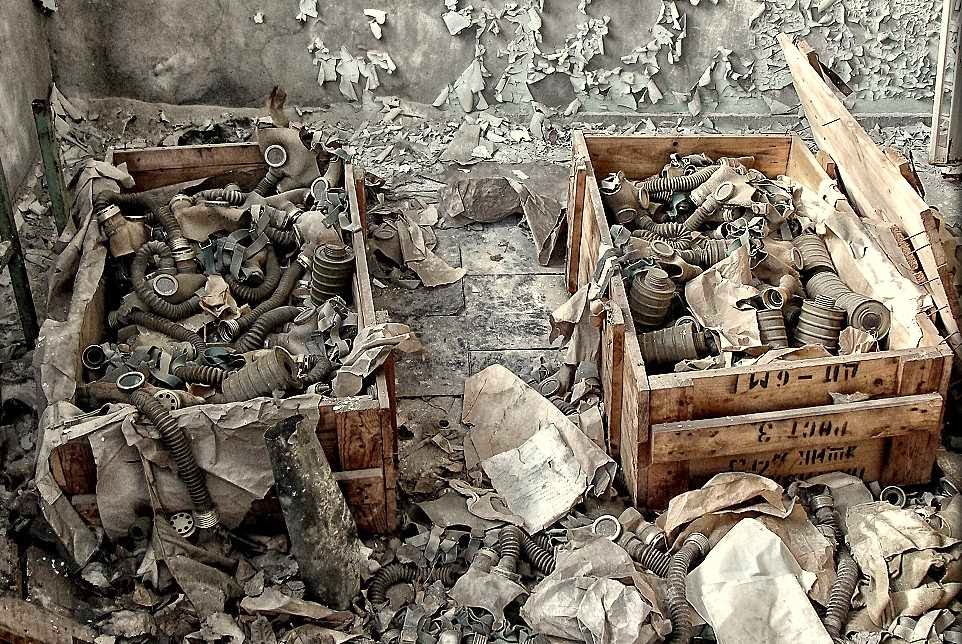 Junk Salvage Value – Junk salvage that players find are of relatively good condition and usually worth 2 caps each as a base value. Some items require a power source to operate. Such junk would be worth 5 times the base value (10 caps). Jury-rigged batteries, alternate homemade fuels, and simplified pre-fall energy producing technology (automated solar panels, geothermal power plants, tidal and wind generators, Mr. FusionTM biowaste reactors, etc.) are readily available, allowing many forms of older technology able to operate. The energy needed to operate such technology is easy to obtain, but what is lost is the manufacturing ability to create such technological marvels.
Actual scrap is worth much less that the typical junk salvage that players would find during their adventures and is the common target commodity of Junkers (people willing to gather up such scrap material). Due to their poor quality (and at times highly radioactive nature), scrap junk at best would be 1/8th the base salvage value. Usually 8-10 pieces of scrap junk might be enough to warrant a price of 2 caps. However some especially resourceful beings are able to make a living gathering such scrap, and old refuse storage facilities have been the spark of many armed conflicts between wandering bands of Junkers.

Omega Tech – Functioning omega tech is worth 50 times the base value of salvage (100 caps) mostly due to their limited functionality. Omega tech that can be jury-rigged to operate as salvageable tech is a little more reliable and worth a bit more. Omega tech that can be salvaged is worth 75 times the base amount, or 150 caps.
Some especially rare omega tech may be worth much more. Automated facilities that operate algae farms, water purification plants, and robot manufacturing facilities are some examples. These locations are highly prized and sometimes result in entire communities residing on the grounds of such places.
Off for a while
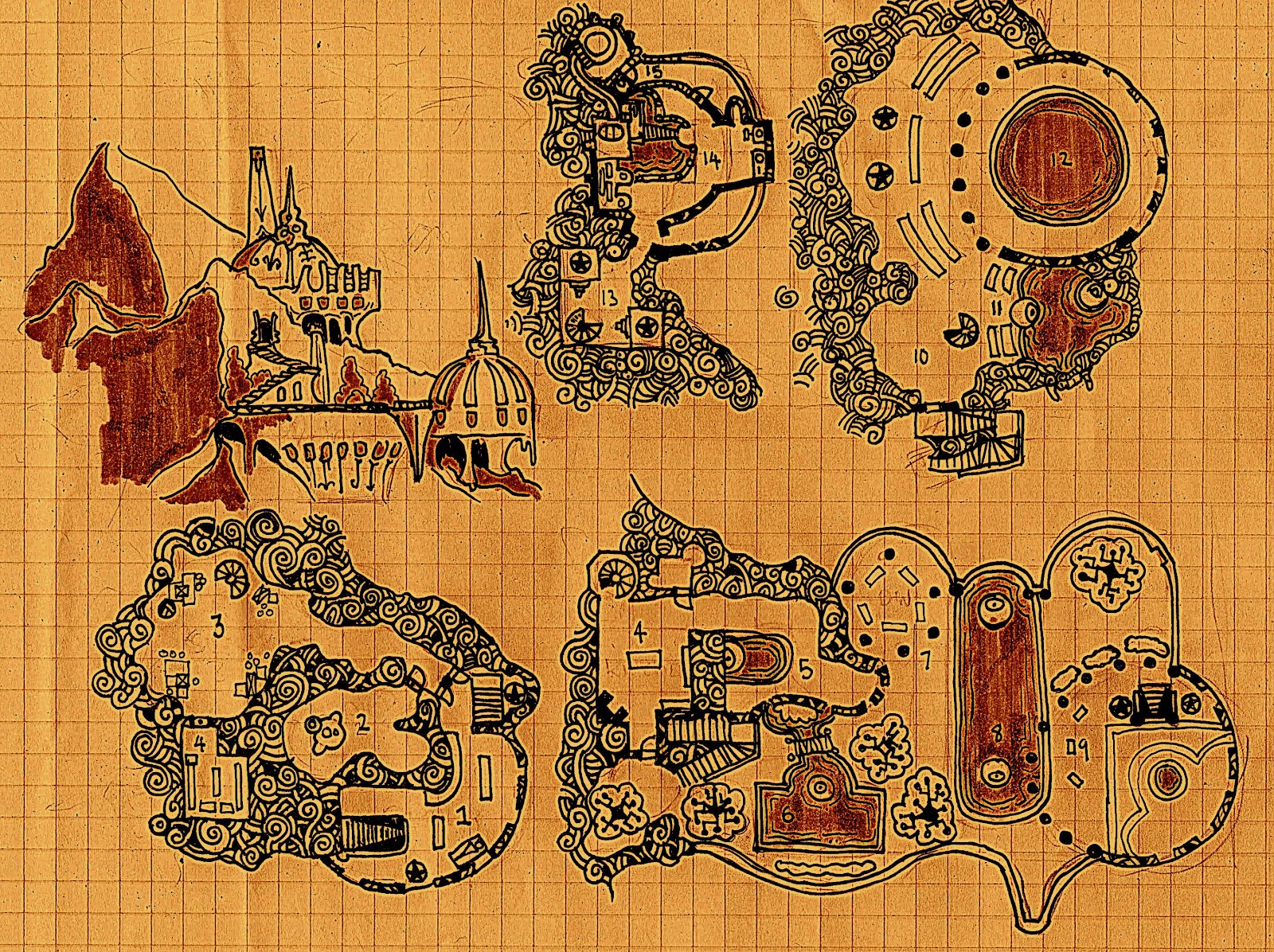 Will be out of the country a bit again. This time for holiday. My blog will be on autopilot for a while so expect a few posts slowly dribble out while I’m away.
Until then enjoy a map from Dungeon of Signs and be sure to dig through their blog. Tons of inspirational images and maps are there, not to mention a few choice articles.
DnDNext without Games Workshop-like fans
The completely unsurprising news is that in 2014, the 40th anniversary of D&D, a 5th edition will be rolled out. From what the playtest version has shown us, this isn’t a huge departure from core mechanics like that of 4E. This is a game of ability scores, saving throws, Vancian magic, and fast, brutal combats. It’s an edition that will strive to be backwards compatible with previous modules and material. DnDnext is going to try and pull older players, likely folks running Pathfinder now, back into the fold.
4E pushed the game into new directions. Some was good and some was bad. Yet you could see WotC soldiering on promoting the game in new ways to new players. Face it, you’re likely shooting for a younger demographic with play sessions of writers for Robot Chicken and the podcast antics of Penny Arcade and PvPonline as they formed the adventuring company, Acquisitions Incorporated (so popular it culminated into many live session events at PAX). 4E was peddled to new players and old players alike. However it’s clear there were things that didn’t resonate with older fans.
DnDNext shows that. I got idea of reducing fluff in the core books with 4E. Why codify everything? Instead push the philosophy that it was your game, change what will make the game work for you. However as additional core 4E books were rolled out, fluff became a more prominent feature (take a look at the difference in MM1 and MM3). It was what fans wanted, a key characteristic of what a D&D book should be. Having additional, optional supplemental material (like the Dragonborn racial book) wasn’t ideal. That stuff had to be in the core books.
It became clear that 4E simply wasn’t getting the expected traction needed. I expect the sales for the soft reboot of the game with Essentials was pretty much a disaster. 4E was a departure from the game a lot of folks wanted and the DnDnext playtest rules demonstrated that. A focus on classic mechanics with a houserule treatment was wanted. Powers, these player abilities being broken down into turn elements with different timing characteristics was not D&D in people’s minds. So another set of rules are being rolled out to try and rectify that.
Games Workshop is a company that sells the immensely popular miniature wargame, Warhammer 40K (and it’s sister flagship game, Warhammer Fantasy). GW doesn’t promote their game much. They know their fans are absolutely rabid for their products. Some of it is well founded, as their models and quality of their product line is amazing. However updated rulebooks churn out with new versions ever on the horizon every 3-4 years.
It’s their existing community that make the bulk of future sales and at times it seems they are taken for granted by GW. There is a reason that Tau haven’t gotten a codex in years, while Space Marines have gotten one with every new release of the rules. People love space marines and buy them in droves. A new codex will sell new models. Tau just isn’t as popular, so that fraction of fans is left out in the cold. I never think it’s sustainable, that someday players will stop buying and move onto something else, but I’m continually wrong. GW has hit a rough patch of late but I don’t see the company folding. They have a way of promoting and selling their game and have a legion of GW followers that will continually buy what they sell.
In 14 years, 5 sets of D&D rules will have come out from WotC. Now I am certain WotC didn’t want to be in this situation. I think they would be perfectly happy if we were all excited about the release of a new 4E PHB4 and MM4, and wondering what might be in the pages of the upcoming DMG3. But it didn’t work out that way. Much of the D&D crowd are not like Games Workshop fans. There are key characteristics of the game that resonate with D&D fans. 3/3.5 hit a chord with folks that Pathfinder has managed to tap into, and as 4E tried to branch off into something different, it didn’t have that lasting appeal.
A while back I wondered if fans of Pathfinder and 3/3.5 would even bother getting into DnDnext. I felt trying to get new players around the table was more important. Clearly I was wrong. DnDNext is for the established fan of old. The push for the new alienated older players, and 4E failed. It’s long-time fans which make the game and more importantly seem to not blindly follow a brand. D&D should be a certain way. WotC realizes that and DnDNext is the result. There can be some tweaks, but the core engine of the game can’t be unfamiliar. Big mechanical changes should be saved for other games like FATE, 13th Age, and Dungeon World, where you’ll find many D&D players willing to dabble in them, as long as it’s presented as a different game.
So that allure of a new ruleset will be coming up the next few months, the excited buzz of a new D&D. There’ll be tales of fans pulling out their old, creased copy of White Plume Mountain and running a good old dungeon crawl. There’ll be accounts of a weekend jaunt against the giants as a group plows through G1-3. At the end of the year, you’ll be browsing a local big chain bookstore and stumble into the gaming section, seeing a shelf full of new D&D books. There will be that call. The clatter of dice. The groans, cheers, and table chatter of people having fun playing D&D. And I’ll likely be right there with them. I hate to admit it but I’m more like the rabid followers of Games Workshop when it comes to WotC. I’m a D&D junkie and will grudgingly follow the cult of the new books.
Freesound.org – sounds for your game
A while back I linked a gaming site that had various MMO soundtracks you could download. They had a pretty nice selection and found a few tracks that would work well for some background music to my sessions. I used to shy away from having music for my games. However I found with a decent mix you could get something playing in the background on a loop adding a little flavor to the game, and still not make it a distraction to what was happening around the table.
A few months ago I ran a Savage Worlds game for a local con. Being a demo game with new people, I really wanted to add something to the session to make it stand out. Normally I’m not one for sound effects. However for a few key points in the game, I wanted to add something to make it more of an engaging experience. As it was a horror sci-fi game, I also wanted some type of ambient noise to get everyone in the mood. Having a MP3 player and a miniature speaker, I could easily get something portable up and be able to play some tracks without it being too fiddly and taking up a bunch of space on the table.
So I needed to try and pick up some sounds. I stumbled across Freesound.org and fell into the rabbit hole of creative commons sound files. A bit of digging and I was able to find that perfect space ship alarm. There were tons of industrial and factory sounds. You can really find some wonderful ambient stuff. As for my sci-fi horror game, I settled on a few and also threw in a particularly longer ambient music track that was perfect for setting the mood.
The tracks are free, but many require attribution if being used in other projects. Consider throwing a bit of money to the site also as a donation. There are some nice tracks folks have made available. As for me, I am certainly going to be mining this for certain games. I simply cannot see running a horror game taking place on a dark and stormy night without using this site for some needed atmosphere.

Traveller homebrew conversion for Savage Worlds

A while back I wrapped up my 4E D&D campaign and we were thinking about our next round of gaming to try out. I had recently picked up the new Traveller RPG from Mongoose publishing and liked the rules and setting for a sci-fi universe. The downside was that it’d be another ruleset for our group to jump into. Also, I wasn’t sure how deeply the group would be vested in trying out Traveller. Some were thinking a few sessions would be fun and then maybe rotate to something else. Again the burden of getting everyone comfortable with another set of rules was hanging around there in the background. So doing something using Savage Worlds was rather enticing.
I decided to write up my own Savage Worlds treatment of Traveller. One thing right off was that I wanted to use the rules as much as I could out of the Mongoose book. The first bit was to convert much of the target numbers and penalties to an equivalent with SW. Another key point was to translate some of the characteristics to SW attributes. I ended up having a print out of those tables handy when I ran a game. So I could consistently scan any rule in the book for an equivalent in Savage Worlds. This made it immensely easy to use tables and charts in the Traveller book. Even starship combat was possible as I could just use the Traveller rules for checks, just translate them to SW die types and numbers.
Character generation was a challenge. I really liked the organic process and mini-game in Traveller. One of the major challenges was to work on converting the list of skills to something more manageable. I truncated a lot of different skills. At the same time, I want some gradation in combat skills. Shooting could encompass too many weapon types, so I opted for some carry over with weapons. Having a high skill level in ballistics weapons like a d8 meant you could also shoot well with energy weapons, just at one die type less (d6). It allowed characters a choice with their progression. They were freed up to consider using skills gained for a variety of other professions if they wanted to. Alternately they could try to focus on having as many fighting skills as possible be all at the same relative level.
Knowledge skills could get out of hand using this rule though. You could have a character gain some specialty in one field and be able to use that as a base for a lot of other skills. So for knowledge skills, I still allow some crossover with its application in other fields, but at two die types less. This for me made a bit more sense. Just because a character had a d10 in Astrophysics didn’t mean they were well versed in Biology. However, with all their training in science, they likely got some exposure to this field of science, so they could get a d6 with Biology checks.
Social standing was also not part of the game. To address this I have a temporary attribute that characters used during character generation. Having a high enough social standing at the end of their career meant they could gain some additional edges.
With this as a basis, you could then go through the charts and tables for character generation and basically get the same result. I truncated the careers somewhat to 3 year terms and capped the number of terms at 4 (or about 12 years). Beyond that you’d get characters getting upwards of 20 skill points which was a bit much starting out. This would cut out some hindrance choices (like the old age), but could be worked around just giving the character longer imagined times of career terms.
It’s far from perfect. You are going to get some divergence in the number of skill points between them, but overall I like how they run. They really match up pretty well with the theme and flavor of Traveller character generation. There is also room for establishing connections and picking up hindrances and edges as they go through the process. These are not very tight and rigid as your typical SW system. You are going to get characters with different skill sets and perks. I’d just run with it. By default I gave characters 3 bennies to reroll any trait or table roll during character generation. You might want to consider having only 2 for a more unpredictable career path.
Of course with all those skills, you needed a new table of weapons and equipment. For the most part it’s a port of the SW weapons with a few tweaks and nods to the technology in Traveller. As I mentioned, I really wanted to keep a lot of the material in the Traveller book relevant, so you can still use the equipment and items from that book for your game.
One small bit I added with starships was the concept of the 100 diameter gravitational threshold. I simplified it to a simple random amount of time that was adjusted by the thrust of the ship. I wanted to give something concrete but still have an easy ruling at the table so a GM could just spurt out a time needed and keep the action going. I like the concept that these routes are predictable. When you jump in (or jump out) to certain systems you will be traveling a common route within the system to minimize fuel use. The danger of this is that these sub-system routes are ripe for pirates (or for security patrols). It’s just a little ‘realism’ to back up why players might run into pirates as they jump into a system, or how security authorities know what route the players are taking when they break out of orbit from a local planet.
As trade and ship upkeep goes, I threw in the towel. I tried to use the freighter a base for figuring typical monthly costs for paying off the ship mortgage and upkeep costs and just gave up. The numbers don’t work out if running simple freight. For this I certainly took the spirit of SW with embracing a simple process over the convoluted rules in Traveller. Every two weeks players can run basic freight that will pay off half their monthly costs for upkeep and the ship mortgage. They keep doing this they can always pay the bills and potentially get a little more cash in thier pocket.
Alternately they can dabble in speculative trading, however they won’t get a windfall like they would in Traveller. Instead they will be able to sell goods at 10% over the base cost. For each raise they get on their Trader roll, they get an additional 5% increase in price. This allows the players to get a little extra money with trade goods, but it won’t be a huge amount like in Traveller. The good news is that players can always unload goods at 25% less the base cost for that planet type if they fail to get a buyer. So they will lose a bit of cash, but not be completely wiped out.
This conversion is far from perfect but it was serviceable for me. It allowed me to use the base rules in the Traveller book and quickly port much of it over to Savage Worlds. Feel free to give them a whirl at your own table.
Note: It’d be criminal not to mention Chaotic GM’s Space Savage Worlds rules. They are fantastic. Use them.
Expeditions of Amazing Adventure: The puzzling portals of Pomdaria
The Pomdarians were an ancient race of lizard folk that created a great empire of arcane marvels. Thousands of years since their demise many of their mysterious monuments still litter the southern jungles. Some legends say that they fell into warring factions, wielding powerful magics that resulted in the destruction of their race.
Other legends speak of a great religious movement which rebelled against their affinity of the arcane, choosing instead to worship primal gods. This divergence in philosophy was so pronounced it actually split the lineage of the Pomdarians into two races, the primal lizardmen and the magic-touched dragonborn (although few historians would be foolish enough to bring up such a topic in earshot of either race).
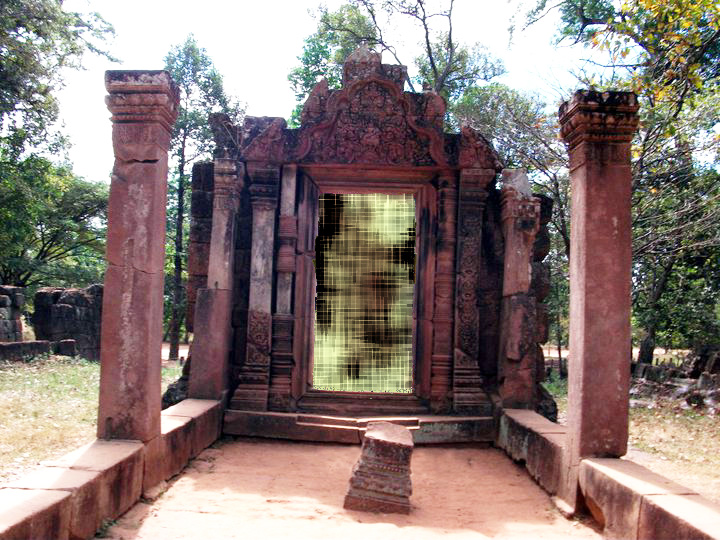
Still others claim that the great network of portals created by the Pomdarians lead to their downfall. Use of these portals weakened the normal boundaries of the physical world and that of the great beyond. Horrible aberrations slipped into the known world and brought down their great civilization, likely explaining the origins of many monstrous creatures in the world today.
No one can state the real reason for the fall of the Pomdarian empire. What cannot be refuted is that this grand civilization reached an epoch, and in the matter of a few years slid into obscurity, utterly wiped from world existence. One part that remains of their enigmatic past is the sparse number of standing portal gates scattered among the deep jungles.
Many times there have been attempts to map and categorize the portal doors by the League of Imperial Arcanists. Still to this day their efforts have been in vain. One simply knows that you enter the gateway, and emerge from another random portal gate. Most of the gates have been discovered and are within the boundaries of many towns or cities, however the discovery of another portal ruin is not unknown. What compounds the complexity of categorizing these portals is the inexplicable length of time one can enter another gateway. Once a person enters, they cannot reenter a portal gate for up to a week. And when they can do so, it inevitably will lead them to another location.
A few steely merchants are willing to make use of these portals. The gamble is that such merchants will not know where they land and what are the desires of their potential customers. Hence, usually they ply staple goods that will sell in just about any city. What makes this journey even of more risk is that some gates lead to ruins deep within the wilderness. Even darker tales circulate of merchants that enter the portals never to be seen again. Either they arrive at some other gate buried in some deep cavernous ruins, surrounded by foul monsters, or they slip out of this world entirely.
Such rumors are fodder for many companies of adventurers. Stout hearted heroes willing to step into the shimmering ruin gateways in hopes of landing at some undiscovered location. If one found lost ruins of the Pomdarians at some previously unknown destination, clearly there could be riches, or at least find the League of Imperial Arcanists willing to pay handsomely for any maps and proof of such ruins existing.
“Bring the salt” – Superstitions in your game
My wife is Korean. Last year there was a death in the family and I was unable to travel to another city for the funeral. Late at night my wife returned and from the parking lot downstairs she called me, “Come downstairs and bring the salt.” No clue why she wanted it but I comply with the wishes of my CO. As I come to her car she steps out and grabs a palmful of salt tossing it over herself and then tossed some over the top of her car. Walking up to our apartment she called back over her shoulder, “To ward off evil spirits.”
Four is a big no no over here. Four is a number aligned with the same word for death and loss so it’s avoided. Giving cash gifts (a common practice) you never give away increments of 4. 30,000 and 50,000 won is okay, but 40,000 is an insult. It’s so pervasive you can’t even find an option to take out 40,000 or 400,000 from ATM machines.
Now as an American I sometimes roll my eyes at stuff like this, but I realize Americans do similar things too. Next time you are in an elevator for a highrise office building, see if you can find a button for floor 13. Once when it was pouring here in Korea I walked in with a dripping wet umbrella. My coworker took it from my hands and opened it up out in the hallway. For a brief instant I thought about bad luck, then I realized how clever it was to allow the umbrella to dry quickly exposing more surface area (rather than being bunched up when it is closed). Cultures have superstitions, and it’s amazing how pervasive they are.
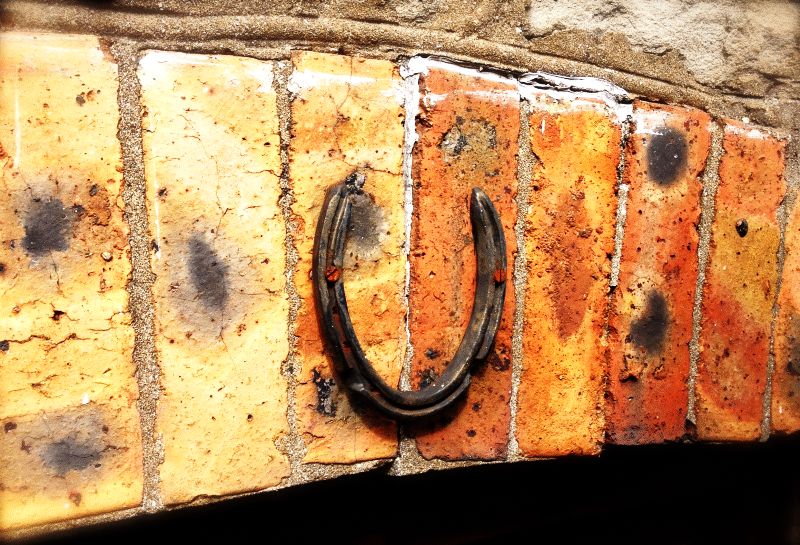
For RPGs, superstitions are a great way to add some local color to a city or people. Further it’s something that can go beyond religious beliefs, being part of the culture for a group. Maybe every doorway holds a simple wind chime to ward off spirits. Maybe for every cup of ale one drinks in the local tavern, you dip in your thumb and press it on the table while you take the first draught. These small details can bring a lot of life to the fantasy world you create and even better, allow for some local flavor from town to town rather than it being another nondescript village.
Superstitions are also ripe for adventure fodder. In a world of fantastic creatures maybe there is a hint of truth to every dark superstition. It’s quite possible that a village hovel that doesn’t mark its doorway with a sigil might have some foul creature come at nightfall. Maybe players failing to follow a superstitious ritual are shunned, or given dire warnings (with ghostly consequences if they don’t follow a local custom). Not all superstitions have to be in place to ward off evil but could be done to avoid mischievous spirits.
Special events can also provide a backdrop for adventures. Festivals and a customary dinner revolving around a ritual can work too. While the players might be included as friendly participants, maybe they are considered outsiders and not welcome as part of the festivities. Maybe petty jealousies among villagers could lead to one fouling an offering or superstitious ward of a neighbor, bringing about some unforeseen horrible fate. Consider our Halloween and the Jack-O’-Lantern. What if a rival decided to smash his neighbor’s pumpkin in spite to bestow a bit of bad luck? Instead of some slight misfortune, the neighbor’s child is spirited away to the Fey. This could be a great setup for a one-shot adventure.
So the next time you describe a small village, consider looking at superstitions. They can offer an easy means to add some interesting detail to the locale and people, breathing a small amount of life into your world. They might even be a great source for a session’s adventure.
 Geek Ken