DM Tip: Intimidation isn’t always bad cop, worse cop

This always seems to happen. You’ve got a NPC refusing to offer some assistance or key information. Then a player grabs a d20 and tells you they are cuffing the guy across the face and demanding something, rolling off using their intimidation skill. It’s at a point like this where I might turn the NPC into a gibbering heap, spouting snot, tears, and nonsense, completely worthless for offering any help. That demonstration of physical force and the threat of more has rendered the person panicked in utter fear, unable to act. Or alternately, I might even push an NPC into responding with violence as they feel they have no doubt the player means them harm.

I always viewed intimidation as more than just physical threats against someone. I see intimidation almost like insight, but keyed in on sensing weakness. They are able to read that weakness and then use it as a tool to force someone to their whims.

It can certainly be a physical aspect but it doesn’t have to just be a warrior hefting a weapon threateningly. It could be a stare or a physical presence that instills doubt. We’ve likely all experienced this before. You’ve met someone that just carries themselves in a way that projects threat.

Take the crime drama, Knockaround Guys. There is a scene where Vin Diesel gives a beat down on a local thug in a bar. His dialog at the start of that scene is great. It’s just him talking about wanting to be a tough guy and figuring as a kid 500 fights was the number needed. He describes his reasoning and simply starts taking off his jacket. You can see the steam and ego of his opponent just deflate. The local thug has overstepped the line. In front of him is a legitimate tough and all of this is achieved through words and an imposing physical presence.

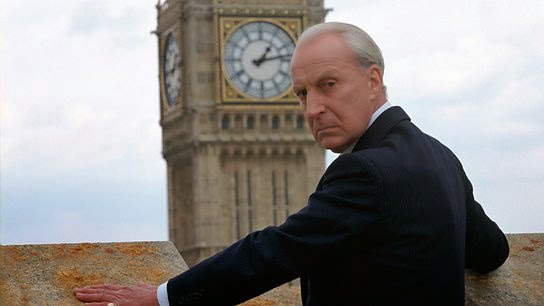
Intimidation is the key ability to know what threats will work and what will sting the most. It’s an ability to read the social standing of someone, and likely what they hold near and dear. Threats don’t have to be physical. They can target a NPC’s character and their standing with the law, or maybe a threat to dishonor them in society or to family (think Francis Urquhart/Underwood from House of Cards).

Someone with a high skill in intimidation can also likely read when a threat is serious or not. It’s staring right through a facade of a violent display and recognizing it for being just chest thumping and bluster. So PCs with this skill could read certain threats and certain social situations much like insight would.

Unlike diplomacy, that seeks a common ground and tries to build cooperation through good will, Intimidation is all about manipulating people through threats (real or perceived). Not all of these threats have to be physical. When you look at intimidation as a means of seeing weakness in someone, and being able to capitalize on that, you open the door for a lot more opportunities and a variety of means to use the skill. Consider letting your PCs explore intimidation being more than just the ability to get answers from someone by knocking out teeth.

Modelmates weathering wash

Usually for my tanks and such I’ll give a drybrush of brown paint to simulate mud and gunk that will pick up on the wheel guards and treads. It’s a simple technique that gets a decent effect. I never really dabbled in weathering pigments much. Then I heard about this nifty line of products for washes from Modelmates.

Modelmates translucent washes come in a variety of pigments that are really nice. A big plus for me is that they can be diluted and cleaned up in water. So I decided to pick up a bottle and try it out. I got the mud brown color wash. They come in plastic containers with a small bead inside to facilitate mixing. The top has a sloped funnel lid to allow excess paint inside the lid lip to drip down back into the pot. The manufacturer recommends trying out the wash on a section first for testing if painting on plastic, as the wash themselves have a little solvent in them. Apparently for some plastics this can be an issue. I think for the typical plastic used in model kits this isn’t a problem, as I didn’t get any peeling of paint or pitting of the model surface.

I dabbed a bit over the wheels and let it set in, followed up with a matte spray coat. I’m really impressed with how the weathering wash looks and it’s a breeze to apply. Here is a bren carrier I’ve been working on. The carrier on the bottom had just a drybrush of brown for mud, with the carrier on top also having a coat of Modelmates weathering.

I would certainly have a lot of water on hand and use a crappy brush. I’ve heard that while it’s water soluble, it can gunk up your brushes and will dry pretty quickly as the solvent evaporates. So having water nearby to rinse out your brush every tank tread or so would likely help in keeping the brush intact.  With weathering, it really added a lot more depth to the basic treads modeled on the side of the carrier.

I’m really happy picking up this weathering wash. Likely I will check into picking up other shades, especially if working on an African-theater platoon, as the dust colors look really nice. They are a super easy way to dress up a basic paint job. Best of all they seem easy to work with and cover well over acrylic water-based paints.

15mm Earth Defense marines

A way back, I was pretty deep into 40K but several moves and a lack of desire to play meant I dumped my minis and rules long ago. Occasionally I get a pang to jump back into it again but that passes within 5 minutes and I gleefully go on to collecting and painting other stuff. I’ve got a fair collection of Flames of War armies and been really enjoying painting up Firestorm Armada models and terrain (not to mention Bolt Action). Lately however I’ve gotten this serious itch to get back into sci-fi skirmish gaming.

I’ve picked up a few rule systems over the past year and will likely get a few more reviews (or thoughts) up on the different rulebooks. A bit slower has been the accumulation of minis for actual forces. Rebel Minis has some nice stuff that is very reasonable and also have platoon sets which is great for filling up a decent size force pretty quickly.

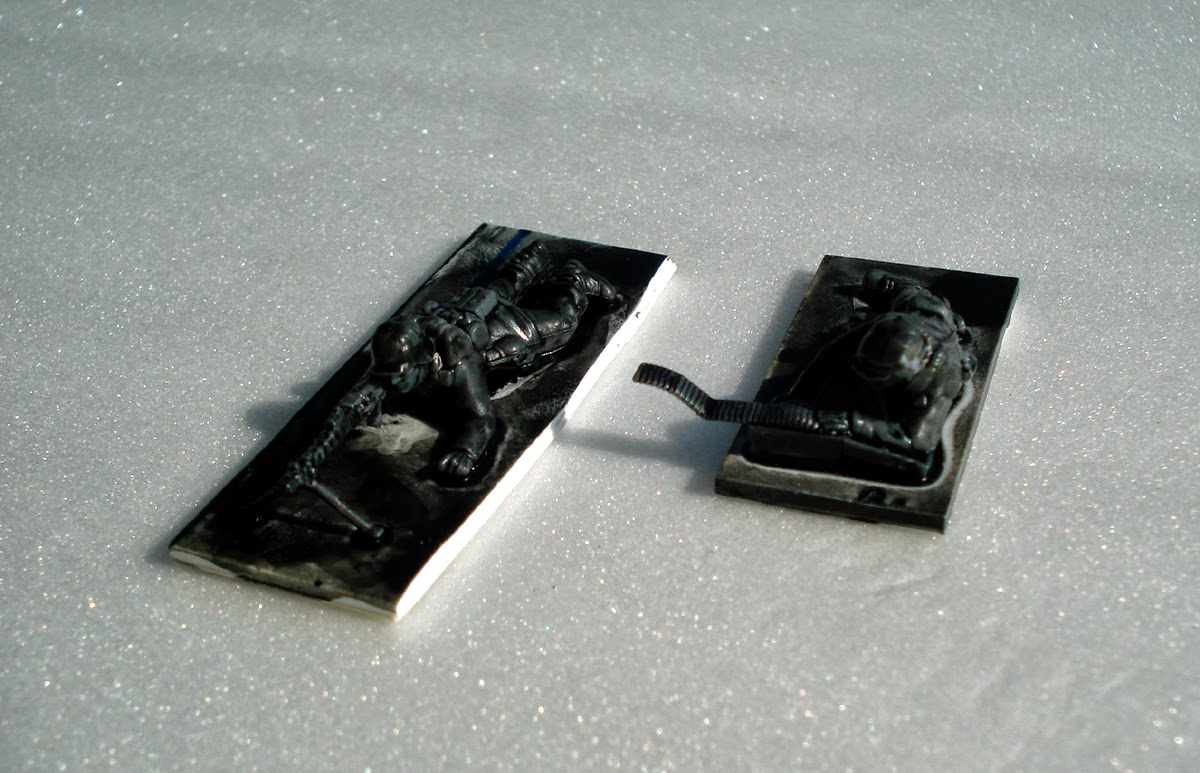
I’ve got about three different groups I’ve picked up. One group are Earth Defense Marines, a pretty standard soldier type group with a decent range of heavy weapons and command figures available. above is a pic of the figures primed (next time I’ll throw a basic wash on the figures to give a bit more detail).

I decided to embrace the idea of a single wash and went with a nice shade of green ink. Base coats of varying colors, including a light gray for the weapons, seemed to work well with the single wash. A final drybrush on the armor and a dab of lighter color for the helmet visor was given as a final touch.

I snagged some 20mm round plastic bases that fit the figures pretty well. It’s a bit more area on the base than I’d want, but when flocked it tidied up nice. Another big plus is that the bases are a tad less finicky when handling and shuffling around the tabletop. I’m pretty happy how they turned out. Sadly I just didn’t really get into the detail much on the figures. These EDM minis really have a decent amount of detail for 15mm. Certainly has me itching to get some more squad skirmish stuff going.

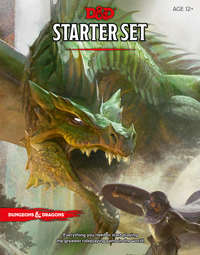
Why is the starter set for D&D ignored?

So news has hit like a ton of bricks about the release schedule for DnDnext. EN World got a scoop and have followed up the official announcement over on the WotC main page. Two big things that stand out are a staggered release for the core books with the DMG rounding up the group last. The next bit of news that seems to get a lot of chatter are the prices, which tips in at $50 a book.

That’s pretty hefty. I can totally see how folks could be put off by that. Some also have been pretty vocal about the price of entry for the new edition being too high, so high they aren’t going to bother. What I don’t get is how the starter set is completely ignored by them.

I guess people are imagining the worst with the starter set. Honestly I felt much of the past introduction products for 4E were lackluster. However I have hopes for the new boxed set. I really have a vibe they are going for a more complete product with the introductory box.

One thing that stands out is that the boxed set will allow characters to jump up to 5th level. Hopefully there will be some rules for character generation. Some of which that has been hinted looks positive:

However there are some other comments that make me wonder if WotC will adopt a more open approach to getting those rules out. There might be slimmed down rule PDFs or an online character generator:

This last bit makes sense. The public playtest rules are out in the wild. While torrents are illegal, folks at WotC have to recognize stuff is out there, so why not embrace it somewhat and provide free, legal PDFs of their own? More importantly, if there are tweaks to abilities, spells, and powers, an electronic version can be pulled and a new errata version put up. It could be a nice way to ensure players are bringing up-to-date characters around the table at public play events.

The starter set might be lackluster with just pregens and a simple basic adventure. However it might also be a pretty phenomenal product. It might have the muscle in rules and material to be the only thing needed to play D&D. If you really want options and the full plethora of creatures, treasure, and classes, the core books are the way to go. But if you want to play a game and get a few levels in for some characters, the starter set might be a solid option.

It may very well be the product that everyone points to and says, ‘This is what you need to play D&D.‘ It’s only $20 too. A great price for hopefully a great product to get people playing D&D. Maybe with all the gnashing of teeth and ire over the core books, folks need to remember there is a product that will be out there made especially for those that want to try D&D out, and it’s far less than the $150 price tag of the core books.

Savage Sun! – A Savage Worlds conversion for Dark Sun

A long while back my group was willing to jump back into a fantasy setting, but they wanted something very different from your typical Tolkien-esque world. So it was agreed to run a Dark Sun game using Savage Worlds. Unfortunately that meant I had to dig up some conversions of the setting for those rules.

Digging around however I found quite a few treasures. There are some great SW conversions for Dark Sun. I opted to merge a lot of different sources into a single setting PDF. As part of this, I also wanted to tinker a bit with armor and weapons. A while back I posted on a wonderful idea for keeping track of encumbrance that I found on another blog. So I altered the weight of different weapons expressing them as inventory space slots to fit that encumbrance system.

My group had a lot of fun running around Athas. Sadly, some folks moved out of the country and others moved to another city, so we ended the campaign. Still it was enjoyable while it lasted and likely a setting I’ll revisit again.

EDIT: Doing some digging I managed to track down the person responsible for the bulk of the racial text and the individual that did the foundation to much of the conversion, Rich Ranallo. You can dig through Savage Heroes to find his original conversion.

Plastic Soldier Co. – German heavy weapons

Some time ago I posted on some German infantry I’d gotten from Plastic Soldier Co. As I was wanting some other specialty units, I opted to also get some German heavy weapons teams for my force.

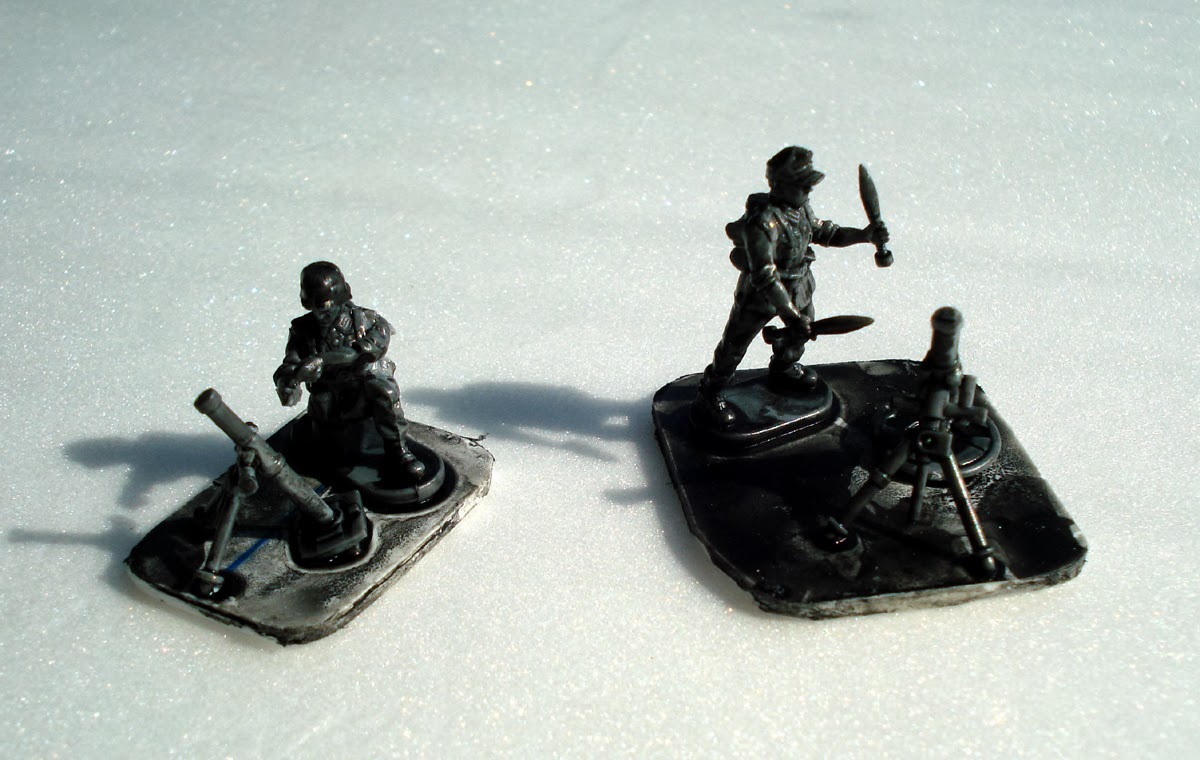
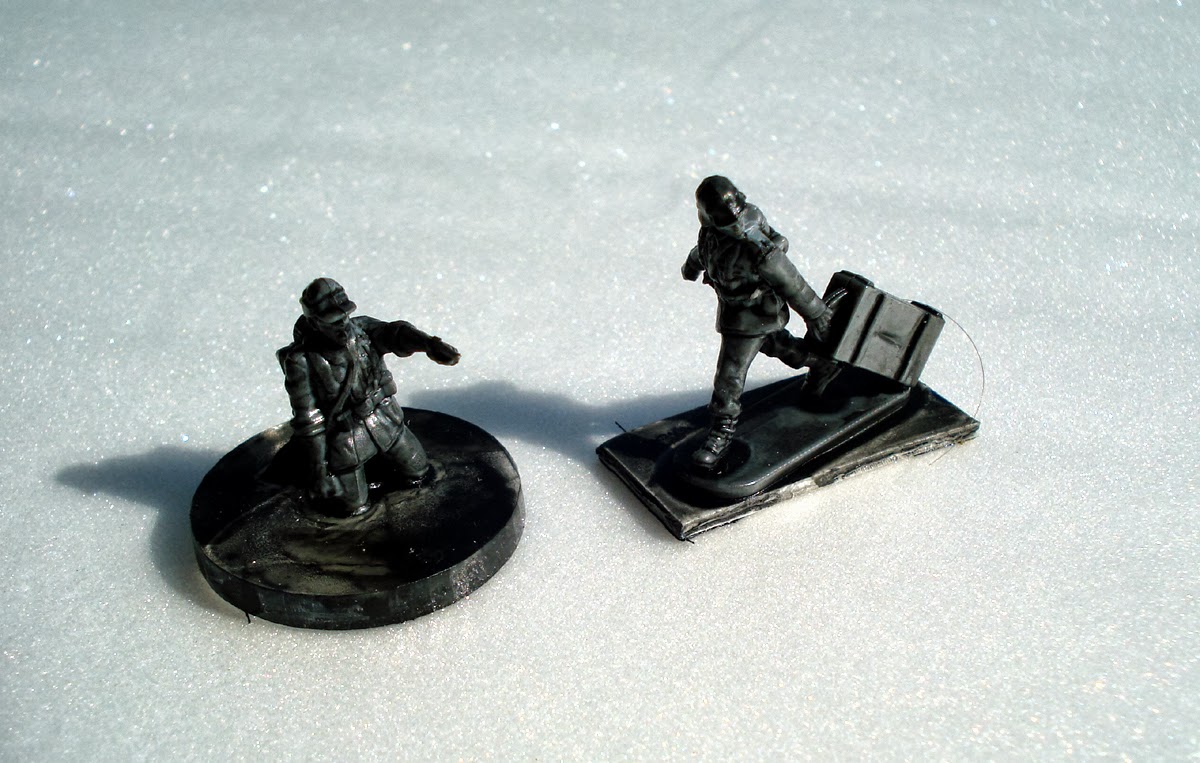
The 1/72 scale figures in this kit are well done and have a nice amount of detail, just like the German infantry minis. There are 6 troops armed with panzerfausts for some extra AT options. Aside from Panzerschrecks there are multiple models for 8cm and 12cm mortars. There are also MG42 teams with tripods in the set. While I think some of the multiple teams are redundant for your typical Bolt Action force, there are some theater selector lists that allow for more heavy weapon units. I also suspect that upcoming scenario books for Bolt Action will have some expansion on the limits for particular team weapons.

I am hoping this company considers going into 28mm more. While I think some of their model kits are a tad lackluster at larger scales, the German kits are great and would likely be a very competitive buy over other manufacturer’s models.


The importance of maps

I’ve gone back and forth with maps. On one hand my free time is limited. Rarely I have the time (or skill) to hand draw an elaborate map for my game. While mining online resources is always an option, it does take some time and usually difficult to get a map that is precisely what would fit your game. So at times I’ve slipped into giving a locale or backdrop environment a narrative description. While it does cut down my game prep time, just describing something doesn’t seem to grasp my PC’s interest.

As one deficiency to using a narrative approach, I don’t spout a thesaurus-like vocabulary when I try to evoke a mental picture in everyone’s head. I just can’t seem to get that descriptive and it never seems to match that of a physical representation. Having a physical document, where everyone eagerly props their elbows up on the table to gaze over a printed page, just seems to capture their imagination more.

This works for me too, I just seem to sprout more ideas when I sketch out something. It even works just looking at maps. The Nentir Vale seems more alive when you have a map to gaze at. Even a sparse one like over at D&D Doodle gets your story gears churning. The paved road through the woods depicted there just oozes theme. Could there be bandits? And what of the Farmer’s stead nearby? Does he offer a reprieve from the elements? Or are travelers forced to camp near the waystone before the long trek through the forest? And what of the barren patch of hills to the north?

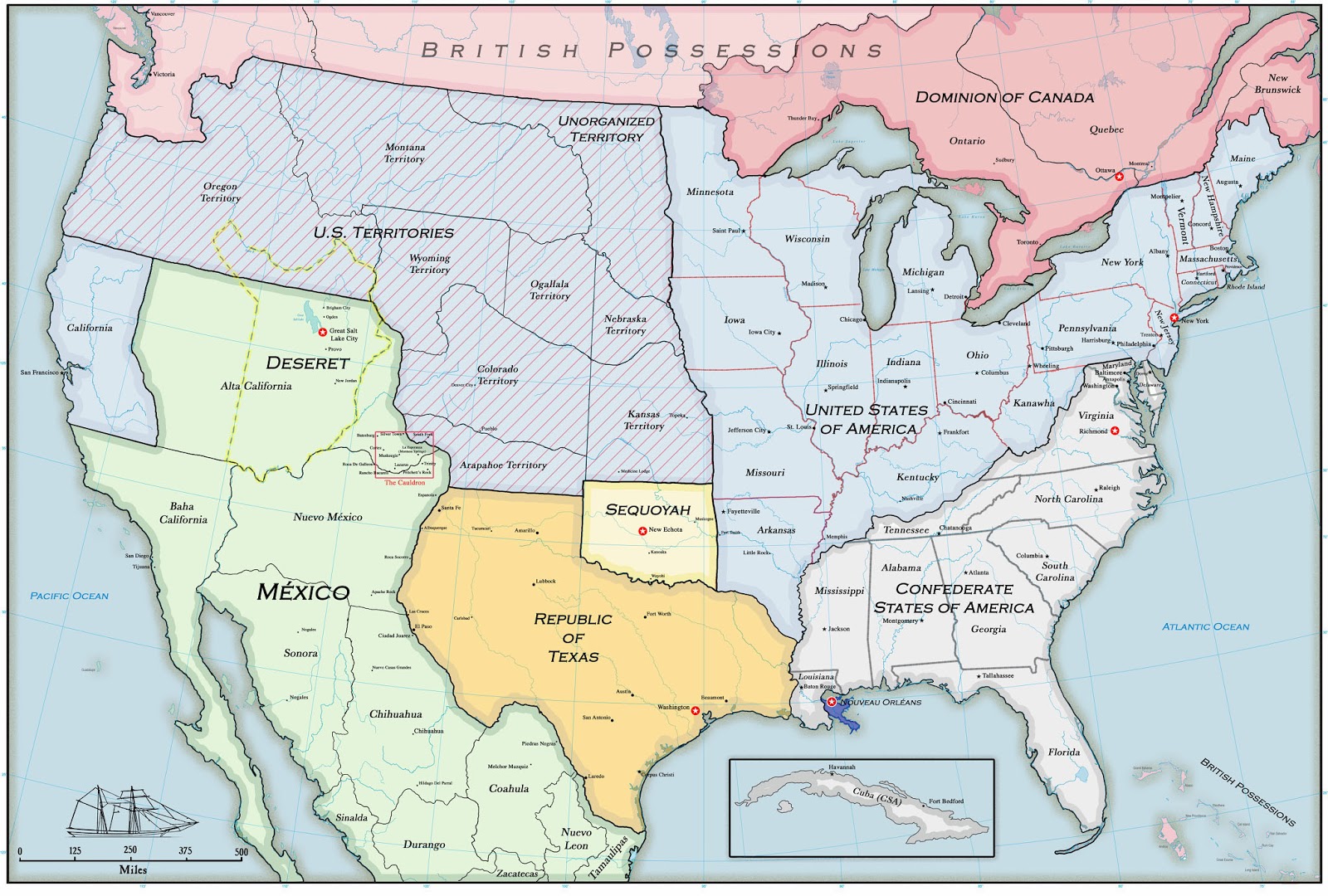
For my recent Savage Worlds weird west campaign I managed to snag a wonderful alternate history map of the US. The various political states got me thinking about different movers and shakers within this fictional Americas. How did Texas become an independent republic? How friendly would the Union be towards the British Possessions in what would be Canada today? Would the former colonies be close or would they have better relations with the relatively independent Dominion of Canada? All of the partitioned country boundaries of these Americas got me thinking of potential allies and villains for my PCs.

Maps do that. They spark the imagination of players and can certainly get your creative juices going as a DM. There’s a certain concrete feeling of having a physical document in your hand that cordons off potential wild thoughts into tactile plans for stories.

So when considering thinking up your next grand adventure or new campaign. Spend some time sketching or searching for a suitable map. You’d be surprised how many ideas you can get from an image of transecting lines and the stories that might spring from them.

Plastic Soldier Co. German infantry

A while back I posted on some British troops I had picked up from Plastic Soldier Company. I usually end up getting two armies when I jump into a game system. So while I was happily working away on my British, I also decided to get some 1/72 scale German infantry from Plastic Soldier Co.

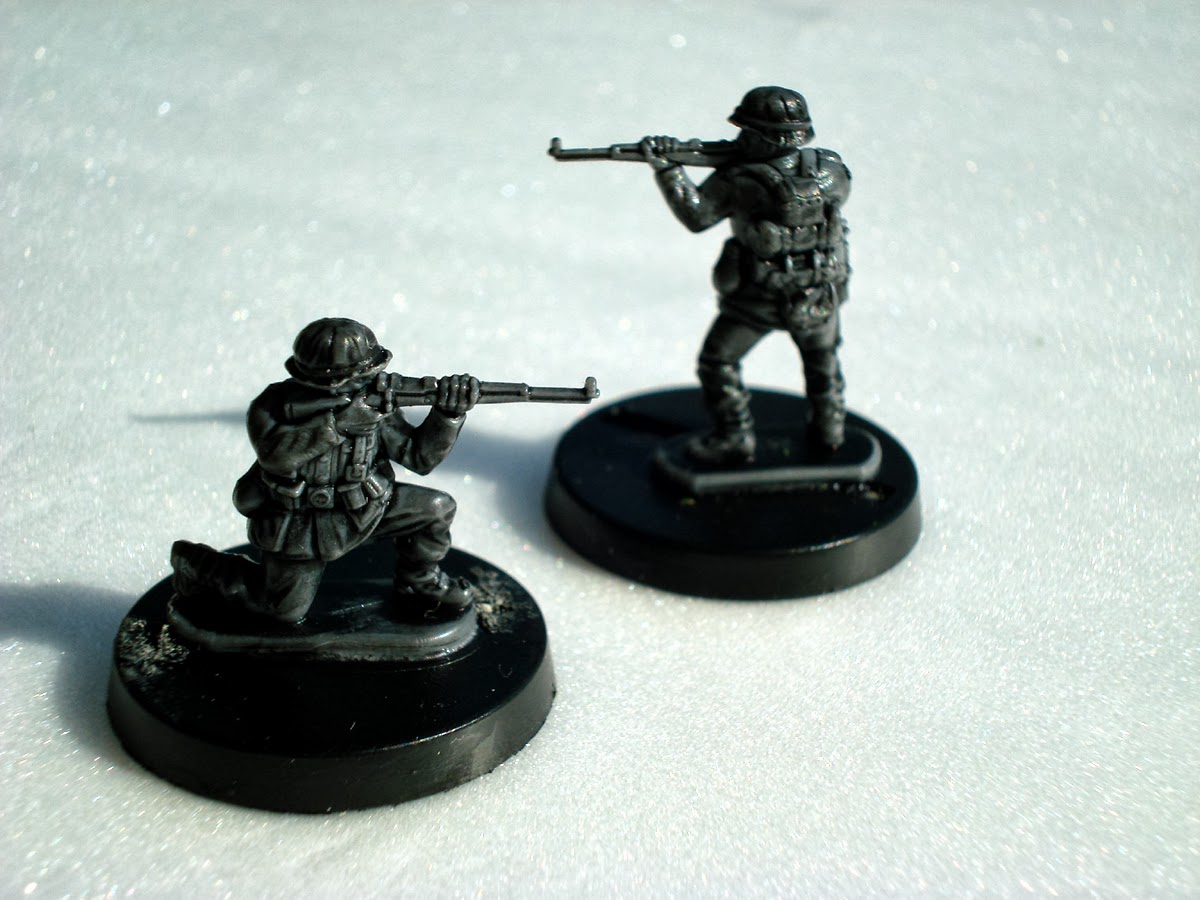
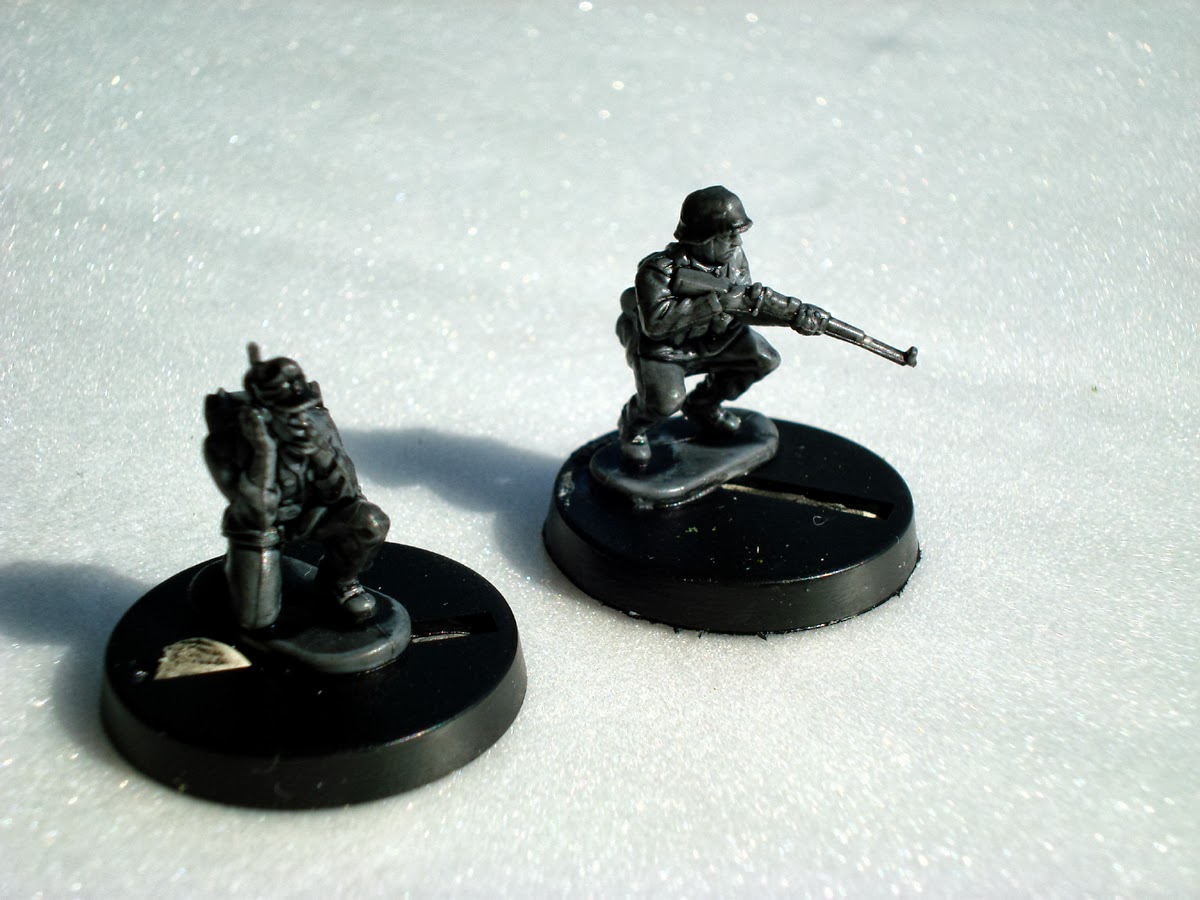
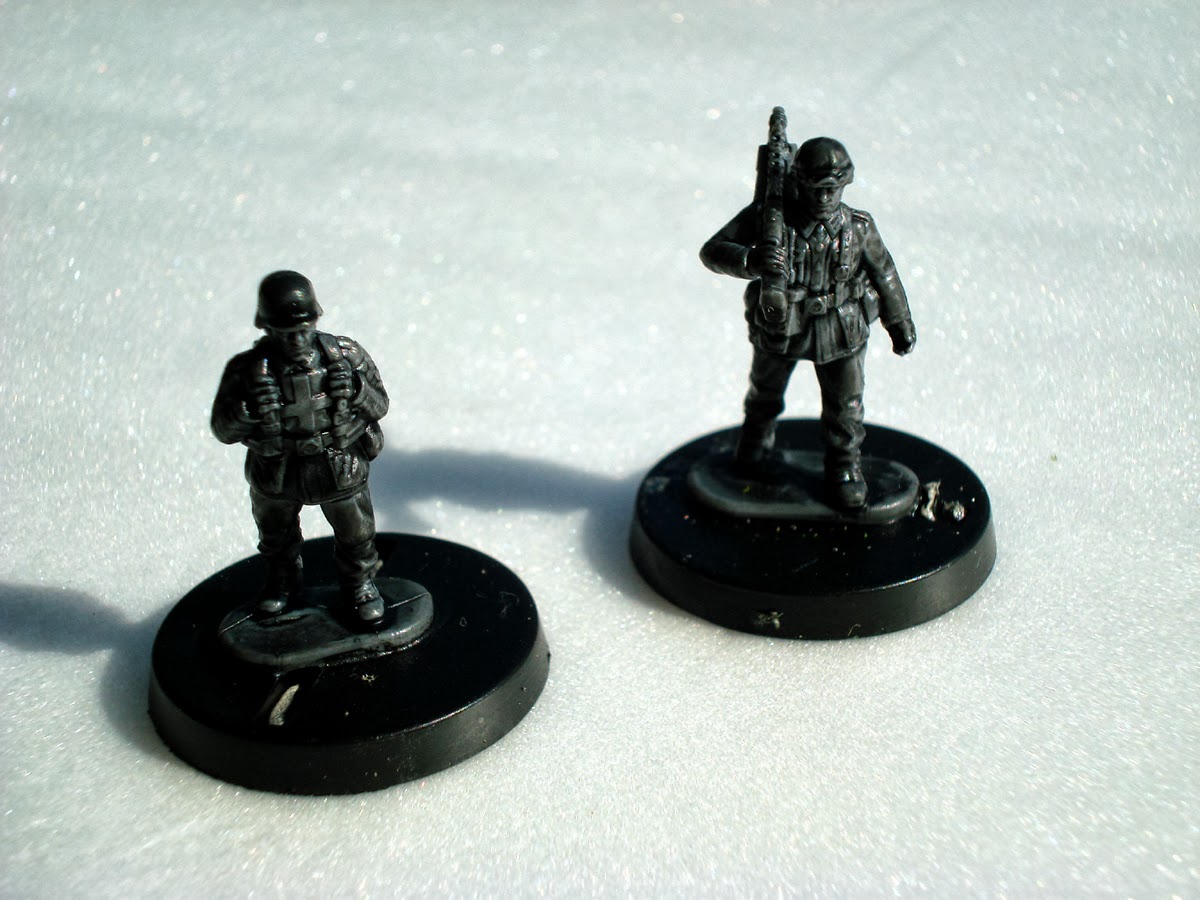
While I complained some on the detail of the British troops, I cannot say the same with the German figures. They all have very nice detail on the packs and other parts of the figures. I really hope the company considers dabbling more in the 28mm scale. These miniatures would be a great alternate to the official Warlord products out there.

You get a rather large platoon with LMG teams, NCOs, figures with MP-40s, even medics. Plenty here to provide a core force for a Bolt Action platoon. It’s a great buy with nice figures making up the set. These figures here were given a thin coat of black primer wash.


Webcomics as RPG inspiration

I’m a dork. I love comics. My collecting days faded long ago but the resurgence of trades has allowed me to rediscover my love of comics. Fortunately the medium has spread out to some wonderful online comics too.

I’m knee deep in a weird west Savage Worlds campaign now but I’m always on the prowl for ideas. A big plus of Savage Worlds is it’s a fairly generic rule system. If my players want to take a break and do a one shot in a different setting, we can make the jump and not get too bogged down with learning another system.

Given just about anything is on the table if I get a fancy for running something different, I tend to find inspiration in a lot of comics. Lately I’ve been enjoying a slew of online stuff that has gotten my adventure-generating juices going. With the combination of images and text, I just seem to get a lot of inspiration from them. Here’s a list of a few I’ve been enjoying as of late…

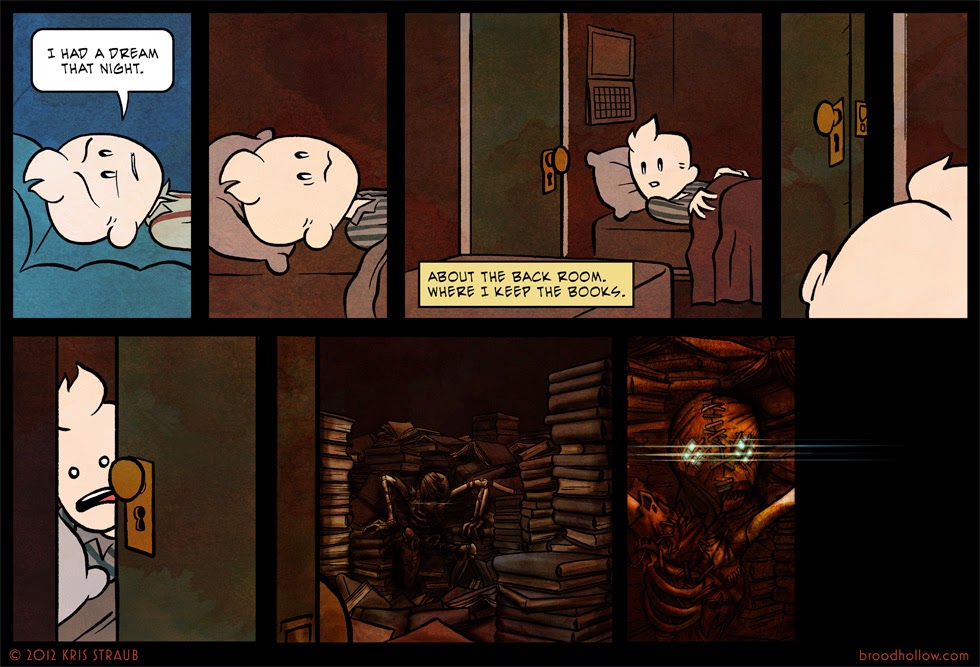
Broodhollow – First up is a wonderful supernatural comic from the same fellow that does Chainsawsuit and the concluded Starslip. Set in the 30s it tells of Wadsworth Zane, a phobia-riddled salesman, that decides to heed the call of managing the affairs of a long lost relative which left him an antique store in their will. The town itself is steeped in odd traditions, unexplained events, and townsfolk seeming oblivious to the strange goings on.

It has a humorous charm and certainly strives for tickling the reader’s funny bone. However, like the town of Broodhollow itself, under the surface are moments of stark, skin-crawling horror. A nice source of inspiration for any Call of Cthulhu game.

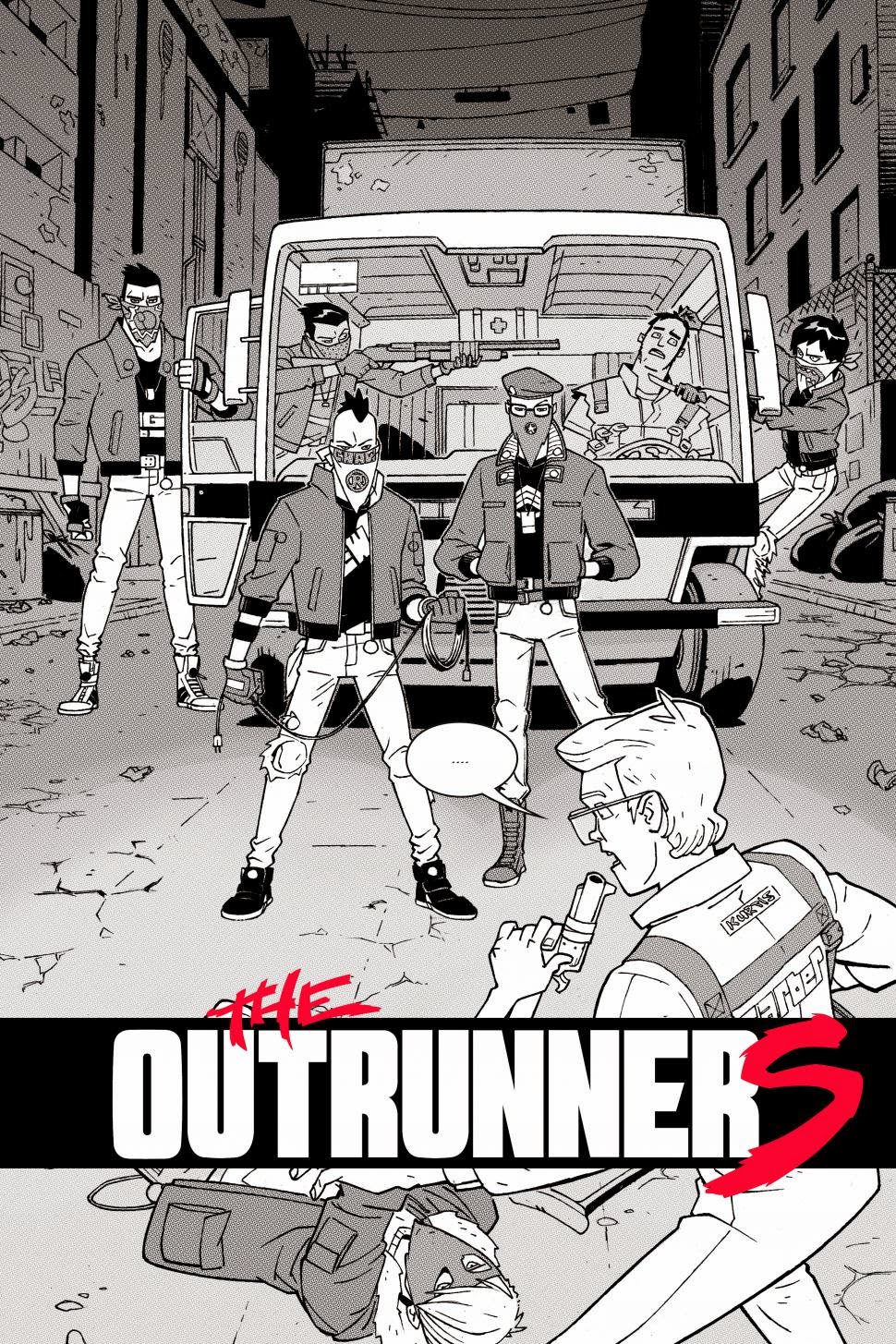
Outrunners – I wish I knew more about the artist for this gritty futuristic webcomic. All I know is it oozes cool as street gangs of the future fight over what turf they can and against oppressive law enforcers. The story revolves mainly around the reckless and headstrong, Reck, and the gang she runs with. It’s a world of haves and have-nots with the Outrunners trying to scrape out a piece for themselves.

There is wonderful stuff here. The action is enjoyable and if anything, the dialog really seems to capture that Akira bike gang feel. While not quite cyberpunk, it has a great tough street theme and face it, running a game or two where PCs are part of a futuristic street bike gang would make for an amazing time.

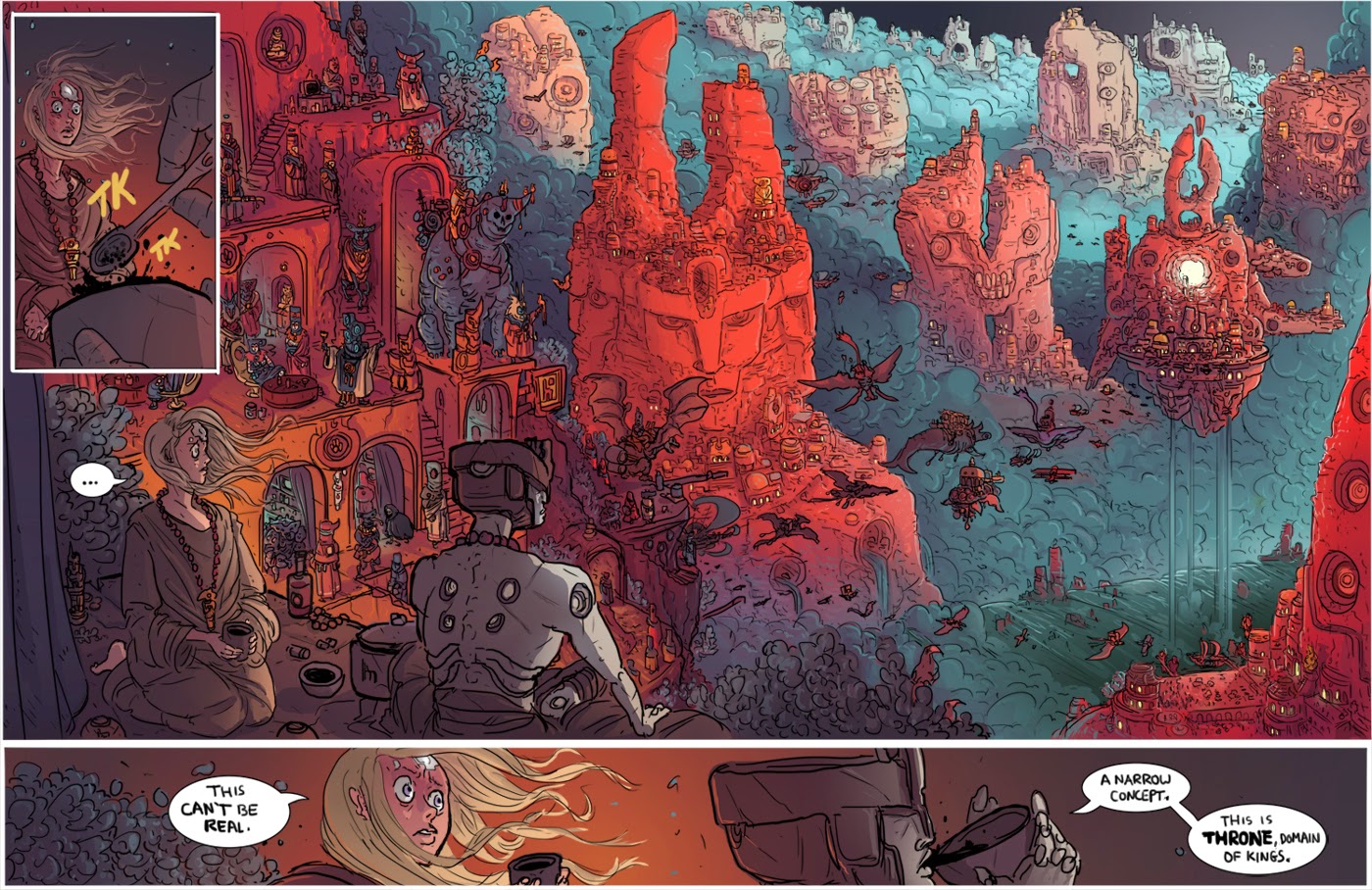
Kill 6 Billion Demons – This is just trippy stuff. Not sure if this is a solo story effort, or done through collaborative storytelling. Nonetheless K6BD seems to capture that wild fantasy setting of Planetscape and the planar city of Sigil quite well. I’m still trying to wrap my head around the story some. All I can say is that much of it is just otherworldly.

The visuals of the comic express a teeming city of bizarre beings and creatures, with strange merchants that deal in the property of spiritual essences. It really is a great source of inspiration for a wild urban fantasy game and worth checking out.

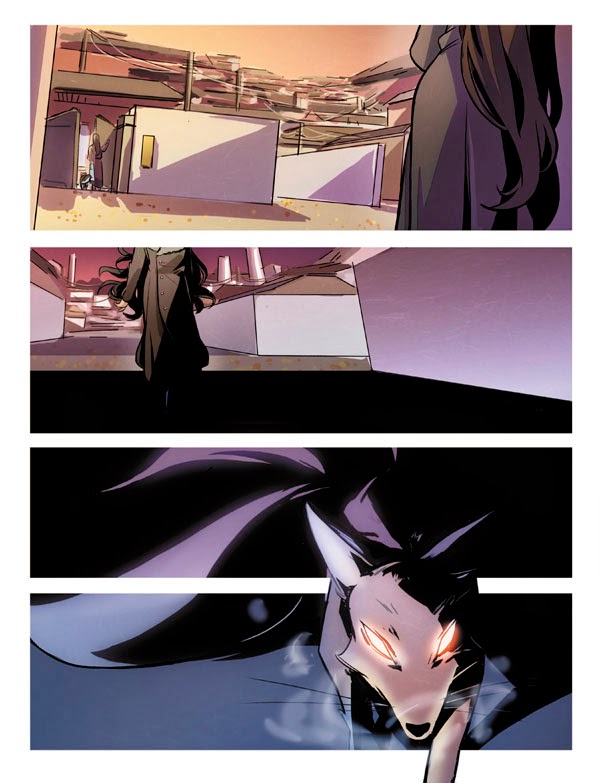
The Fox Sister – Set in the late 60s in Korea, this tells a more modern version of a classic Korean folk tale. Yun Hee is a shaman and slayer of demonic creatures. As a child she lost her entire family to a kumiho, or 9 tailed fox demon. She still pursues the creature that possesses the body of her sister. It’s an enjoyable comic with a more action oriented take on horror.

It’s a modern supernatural story with an Asian touch. It manages to merge different cultural views in the story as one of the main characters is an American missionary. When I’ve run past supernatural RPG sessions, it’s always been seated firmly in a western setting. The Fox Sister has sparked my interest in exploring other horror mythos and has made the idea of running a game in an Asian setting more approachable.

That’s pretty much some of the webcomics I’ve been farming for ideas as of late. I hope folks take a bit of time to give them a look and find some enjoyment with reading them. And if you also manage to get inspiration for your own RPG adventures, well that’s even better.

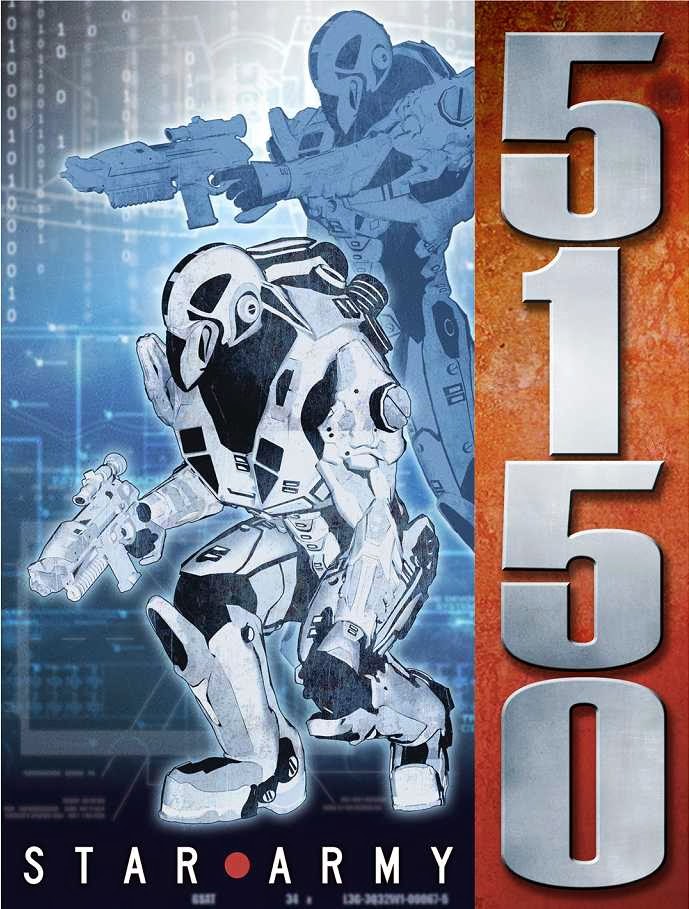
Review: 5150 – Star Army

Two hour wargames has a slew of settings using their Chain Reaction rules (which are available free). Their sci-fi ruleset is 5150: Star Army which is designed for a variety of scales but works for best for 15-28 mm. Now Chain Reaction has been out a while now and this is not the first iteration of their sci-fi rules. Their latest version, which came out in 2011, shows that as it seems much more polished and refined as a dedicated ruleset of military style engagements.

The game is designed to handle small squad engagements up to a company in size. More rapid games usually run about a platoon size with some armor assets. It truly is a skirmish game however, with individual models taking actions and isn’t necessarily abstracted out to the squad level like some other games (ex. Bolt Action). Because of this, units have a lot of flexibility on the battlefield and can split and form up easily. This is especially nice as you could have a support team set up to cover the rest of the squad when it assaults, allowing for more interesting tactics.

The core aspect of Star Army (and all Chain Reaction games) is the reaction system using a couple of d6. When called upon to do something, the model rolls 2d6 and tries to score equal to, or under, a set value of its reputation or ‘rep’. It can either pass these tests with both dice, one, or none. Rep ranges from 2 (very poor, civilian type troops) to upwards of 6 (hero-like reputation) with most troops ranging from 3-4.

Initiative is randomly determined based on rep. Each player rolls a single d6 and all units/models that have a rep equal to or higher than the roll can activate for that turn. Leaders can utilize their leadership for units under their command, allowing a group of irregulars with a rep of 3 to likely activate with a well-trained leader’s rep of 5. Once a unit has activated and done their movement and firing it’s done for the turn.

This looks initially as a simple IGOUGO system, however it’s actually a very fluid action system where units can fire and react multiple times. Each time a unit sees an enemy pop into LOS, or is fired upon, they can attempt to react and return fire. So all units are consistently on overwatch and react to events around them. This is curbed by the requirement of passing checks to react.

The number of passed tests indicate what actions they can undertake. If they pass with 2 dice, then they’ll likely fire to full effect. If only one die passed, limited fire is an option, with no dice meaning the unit might actually scramble for cover instead. All of these tests are based on a chart broken up by the action the unit is reacting to. If it’s fired on it uses a specific row. If it suffers casualties, a different chart row is consulted. If it requires a cohesion test, another row is looked at to determine results, etc.

To explain the shooting steps further, each weapon has a number of dice rolled based on its target value (or effective firepower) with most rifles throwing 3 dice. The player rolls a d6 and adds their rep value trying to get over 7. This target number is increased upwards to 10, based on cover for the target or actions from the firing unit (like firing on the move, etc.). All rolls that hit are then rolled for damage, where a player needs to roll under the impact rating of the weapon. The impact rating will vary depending on the armor of the target. Soft armored troops have a higher impact rating for weapons compared to heavy, or exo-armored troops. Typically wounds are scored on a 1-2. It’s an easy system to resolve.

Close combat is a little more abstract. Units roll multiple d6 based on armor and weapons. Rolls of three or less are considered successes. The difference between the scores becomes the number of casualties for the losing side. This may also force a morale test where the losing side can break and run. Overall it’s a pretty simple, abstract system to run.

There are also rules for vehicles, however most revolve around armored fighting vehicles like tanks and APCs. Flyers are not really part of the rule system for on table models to use. Rather they are incorporated into scenario assets as air support, or for rapid insertions. As for these additional rules, there are a lot of options including snipers, artillery strikes, boobytraps and mines, even defensive ambushes from small teams.

There are a few simple scenarios presented as a patrol or a defensive/offensive actions, where the player can determine the objective for their units (ex. either to destroy as much of the enemy as possible, or get units off their opponent’s side of the board). And there is a rather interesting campaign mode detailing the attempt for invading a planet.

I’d be remiss to not mention that the rules also support solitaire play. As the game revolves around passing reaction checks, the authors were able to come up with some clever automated rules. Enemy units are represented by random tokens. When the player finally gets a token in sight, what it actually represents is randomly determined depending on the type of scenario played. Each unit has a scripted AI sequence and provides an engaging opponent. It works rather well as a solo game.

The background of the universe is paper thin. There are not any set rules for creating alien races. However there are unique abilities and characteristics for different races provided. Further the reaction tables for each race are somewhat unique. They can be tailored to fit a variety of unit types. There are also additional rules for ‘bugs’ or alien races that are more feral and primarily employ close assault attacks (for those folks wanting to try an Aliens or Starship Troopers type of game). The game also incorporates different armor and weapon systems. Combined with rep values, you can model a variety of troops with the default charts and tables. This could allow a disparity with tech values among alien races, to pitting battle-hardened veterans against green irregulars.

Another key aspect of the rules are the leaders or what the game calls, Stars. Models are split into either grunts or stars. The stars are larger than life heroes. Many of their reaction rules are ignored, allowing greater autonomy over how a star reacts in battle. Additionally there are rules for making them more resilient to damage.

What you should be able to take from this is how utterly flexible the rule system is. It can surprisingly incorporate a lot of different play styles and genres. If someone wanted to run a Star Wars type game with jedi and sith duking it out as stormtroopers and rebels fire away with blasters, it can be done. The base system is rather simple, but incorporating company assets you could get a variety of off-board support for a patrol scenario. Additionally there are rules to allow a simple firefight to roll into a larger engagement, with additional reinforcements coming into the fray.

There might be one detraction with this system. It is very much an old school wargame ruleset. There are no points. There isn’t really any guidelines for making a balanced fight. Instead the players are asked to use their judgement and try to make the game as fun and challenging as possible. The rules assume that the game is run through a gentlemanly agreement rather than a competitive tournament style.

The Good – How the turn progresses is very fluid. The chaotic escalation of a firefight where units either hit the dirt or return fire is engaging. Everything comes down to leadership, with poorly trained troops being unlikely to react to events unfolding around them, but occasionally they might show initiative and react accordingly. It’s very organic despite the apparent free flow of play and is a nice skirmish set of rules.

The Bad – It can take a bit to wrap your head around the rules. Things are broken up well and it encourages the slow digestion of rules followed up by play. Nonetheless it requires a lot of charts and condensed quick reference sheets for each force. You are rolling off on tables and there are differing results depending on the condition of the target unit.

Lastly, the game does commit one great sin in my eyes. Not all die rolls are interpreted as high or low. For most of the game rolling low is good except when it comes to shooting, where you want to roll high. This small difference can break up teaching the game and impedes the processing of rules some. Lastly the game does depend on players with a similar mentality for balance and fun. There is nothing stopping a side from going all out in a battle, bringing in tons of tanks and platoon assets, with troops armed (and armored) to the teeth, other than being a jerk. I find it refreshing to have rules adopt a more free attitude towards force construction but some might like a more concrete set of rules for platoon composition.

The Verdict – I really enjoy 5150: Star Army. It’s got dynamic play with unit activation and reaction. It handles military small unit action very well. It’s a surprisingly flexible system that can incorporate a lot of different genres, and can handle quite a few units on the table. It could easily be tinkered some to run a modern insurgent-type squad engagements, up to more cinematic, over-the-top heroic action. The sheer amount of layers of rules is fantastic. From campaign rules to solitaire or team based games (being run against an AI opponent), there is a lot of muscle with the rules to run a variety of skirmish games.

One slight detraction could be just that. It is very much an individual model skirmish game. Actions and reactions are based at times on individual models. This can slow down a game some with a lot of units. Especially when you have multiple units reacting to the same acting unit. However, this also means the game can accommodate a lot of different playstyles, where players could throw heroic type individuals into the mix of different squads and still have a fun game. Not all game systems could handle this well.

Overall I would recommend 5150: Star Army. It’s a solid set of rules for military skirmish wargaming. Turn progression and resolution of actions are dynamic allowing for each player to roll a lot of dice and (hopefully) react to their opponent. The solo rules alone could be a reason to pick this up. If you are looking for a sci-fi ruleset for platoon infantry combat, you’ll find this book a good buy and fun to play.