Slowing down

Things are really ramping up with me work-wise this year, including a lot of projects out of the country. That means more traveling and basically tons more to do. I sorta eluded to this earlier during the year, but still have managed to get something in once a week.

Now it seems that I’m not sure I can keep up with that pace, so I’ll be posting every other week or so. Hopefully try to get three or so posts up a month but we’ll see about that. So feel free to subscribe via RSS or twitter to keep up on future posts. I’ll still be around (4 years!), just maybe not as prolific as before.

Obsidian Portal Kickstarter wrapping up

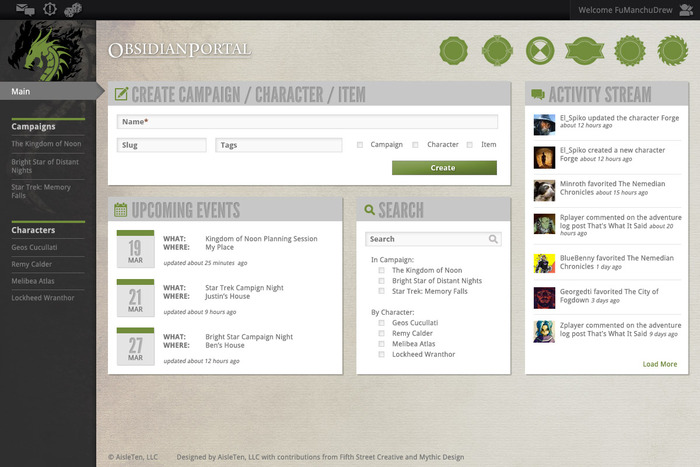
A possible dashboard layout. Spiffy!

I’ve frequently gushed on this blog how much I love Obsidian Portal. In fact, I’ve been a fan of the site for a long time. It’s been very functional over the years however I understand the people running it really want to give it a face lift.

A Kickstarter campaign is wrapping up in a few days. Fortunately, they’ve made their funding goals and then some. I’ve been a freebie user for a long time and I appreciate Obsidian Portal allowing that. If you aren’t a regular subscriber to their system this kickstarter is a great way to support the site.

So I hope folks are willing to send a few dollars their way. The project is funded. It’s a nice way to thank them for all the support they give to the gaming community. There are only 5 more days until the campaign ends, so if you are inclined be sure to support it soon.

Skill challenges revisited – Part 2

Last time I talked a little about how I design skill challenges for 4E, and this time I’d like to go through some things I do when running them. As a short summary from the last post I’d always consider what failure brings, and what a partial victory would bring. This partial victory is a step below a fully overcoming the challenge. Lastly I’d have 2-3 ideal skills that would grant a bonus or an easier DC to checks, but not have a hard list of skills required for the challenge.

Use markers for success and failure – I have a stack of black and white baduk (Go) game pieces handy. During a challenge while I describe the results of the PC’s actions, I also hand out either a white (success) or black (failure) bead. It’s a small hint to the players they are on the right track for completing a challenge, and they can quickly determine the relative amount of successes and failures they have.

This is also a decent way to keep track of a longer skill challenge. If you have a challenge that is interspersed with encounters and other events, it’s a nice means to record their progress. You can always keep this information hidden and simply give them some feedback for the task. However having this simple prop relays how poorly or how close they are to succeeding.

Don’t give out the hard numbers – Like in a combat with offering HP totals and AC values, I don’t tell players they need X amount of successes before Y number of failures. I also don’t give the players target DC values. I will offer players some description how difficult a potential action might be, especially for high DC checks (ex. ‘You could possibly make a running jump across the bridge, but it will be exceedingly difficult’).

If you approach challenges with hard numbers and set DC values relayed to the players they’ll pick up on this. Keeping things to a narrative curbs the metagaming. I don’t mind offering a tally of failures and successes, but the unknown variables of how to tackle the challenge should avoid set values given to the players. This way the group has to make that choice of going all in or deciding to cut their losses if things go sour.

Everyone participates – The PCs can’t sit idly by and let one player do all the heavy lifting. They all have to try and contribute to tackling the problem, even just by using the assist another action. Most challenges I run go through rounds. At the end of each round players either win (including a partial victory) or they fail. Note that time can stretch out for hours to days if needed between each ‘round’ but the important thing is (like a combat) that everyone has an opportunity to do something.

Say, then do – I get all the players to first tell me what they are doing, or trying to do, in the challenge. Once I get it all in my head I figure out applicable skills and checks needed. Then everyone rolls. I determine successes and failures, line up the action for the next round and repeat the process. Get your players to narrate what they want to do first. Frequently you’ll have one player initiate the action with other PCs sort of metagaming to see the outcome, and then adjust their plans. I like everyone talking about what they want to do first, and then see if things work out.

Be flexible – If a player thinks of a really clever way to use Athletics during a negotiation challenge, I’ll let them do it at least once. Be accommodating to cool ideas. You want to encourage players to think of creative solutions to the challenge and pigeonholing them to specific skills won’t help. As mentioned though, I usually will let them make a check with an oddly applied skill once, then rein in any repeats (or bump up the DC to a horrendous amount). Still if your PCs pull out a fantastic idea for using a skill in a way you haven’t thought of, at least allow them to try for a check.

Don’t be a slave to the challenge structure – Ideally there should be a certain number of successes or failures before the challenge resolves. If things progress to a closure earlier, don’t force more checks to be made. There may come a point where your players make some sound arguments to influence some NPC. If they nailed it, don’t drag out the challenge, just award them a victory and move on (partial victories work wonders in this case).

Sometimes you might have PCs do something amazing (or pull a bone-head move). If so, consider awarding more successes or failures to them for that check. Alternately you can think about giving the player a huge bonus (or a penalty if needed) for the next check. As mentioned in the previous post, consider skill challenge rules as guidelines. It’s applicable to both designing and running them.

I hope these tips help DMs run skill challenges. While clunky at times, with enough under your belt you get a feel for how flexible they can be. All the while skill challenges provide a framework for resolving and rewarding great roleplaying. Don’t be intimidated with them and try to use them in your game.

Skill challenges revisited – Part 1

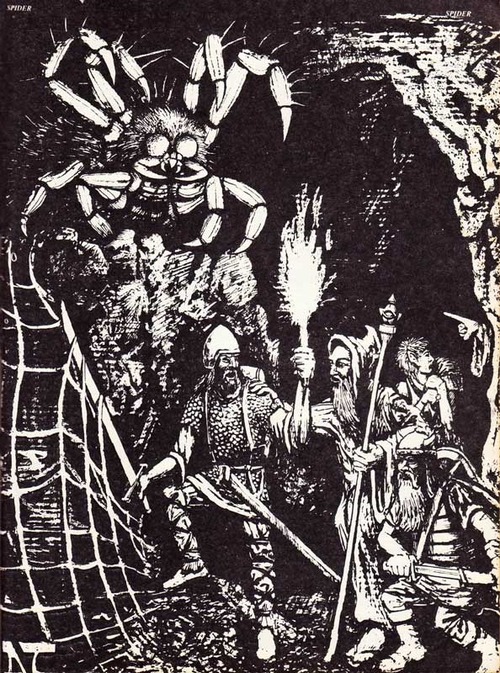
Trampier-SpiderI’ve always been a fan of the concept of skill challenges. I like the idea of having some means of awarding XP for roleplaying and not just saddling it to some interpretive standard. Skill challenges in 4E really offered a DM some decent guidelines for doing that. Better yet, skill challenges laid out a way to offer XP to players for great roleplaying aside from your typical hacking up monsters and completing quests.

Skill challenges were far from perfect however. I think what stood out for me the most was how they were more a framework of rules when running them. In the past few years I began to tweak with designing skill challenges and altering how I ran them. After a while I sort of fell into a groove running them by getting input from all the players and keeping the challenge structure fluid.

It’s been awhile since I visited skill challenges, so I figured on posting a bit on some approaches I use with designing and running them. It can be tricky, but once you get some concepts down regarding them, they are a snap to make up and run. Onto some tips:

Rules are a framework, not set in stone – I think something important to remember at the onset is that skill challenges work best approaching their structure as a guideline rather than a hard set of rules. It’s easy to stick to difficulty labels and outcomes based on X successes before Y failures. It’s far better to be flexible with running them. You may get a stellar idea from a player. Why not offer them 2 successes (or even pass it immediately)? If you adhere to a set format unerringly, challenges can feel artificial and constrained.

Start with failure – When first thinking up a skill challenge, start with thinking about what happens when the PCs fail it. Do you have something interesting happen? Is there a way to keep the story moving? If the answer is no, then don’t make it a skill challenge. Failure should always be a possibility.

Say you decide players have to progress in some underground tomb by opening a sealed door. Sounds perfect for a skill challenge, right? If they open the door great! If not, then what happens? If the answer is the players turn around and go back to town, the adventure is over, rethink making it a skill challenge. In some cases you have situations that give the story a hard stop and moves everything off into another direction, but if that’s the case a skill challenge likely isn’t appropriate (you’ve got a major story branch instead). You should always consider what happens if the players fail a skill challenge and have an alternate plan.

In the above example failure might mean the players do bypass the door but one of the PCs gets severely injured. Maybe the door suddenly closes and the group is split up. Maybe they can’t open the door and instead have to go some other route that is longer or more dangerous. In each case the group can continue on with exploring the tomb, but have varying penalties and unfortunate circumstances due to failing the challenge. Make sure that failing the challenge doesn’t halt the adventure.

Have gradations of success – A partial success for a skill challenge should allow the players to squeak out a win. I typically set this as 1-2 less successes needed from the total to win the challenge. If they do this they are successful for the challenge but get ½ the experience reward. Think of this as a victory with some complications, or no clear advantage despite overcoming the challenge.

The alternate is a complete victory with the challenge. The players push themselves to get the required number of wins. Not only do they complete the challenge and get the full XP awarded but they will get some kind of advantage or benefit.

With the above door opening example, let’s say a failure means the party has to take a more difficult route. A complete victory means the players open the door and possibly can skip a potential encounter. A partial victory would then be in the middle of the two. Yes, the players get through the door but maybe they trigger the attention of some monsters. Maybe it’s a very difficult and taxing physically, so all the players lose a healing surge. While they complete the challenge, it’s not without some additional hardship.

Use preferred skills, not absolute ones – I think another trap to avoid is having a list of skills that are absolutely needed for the challenge. Instead you might want a short list of skills (2-3) that have an easier DC, or confer a small +1 bonus when utilized for the challenge. Additionally, I’d consider these as skills other players can utilize to assist another player. I’ll get a bit more into this with part 2, however giving a laundry list of checks for the players to select from is boring. Instead, you should be flexible with what skills can be used.

If players have to convince a Duke to release garrisoned troops to prevent a warband of orcs from heading through a pass, diplomacy might be a key skill for such a challenge. I’d figure that trying to reason with the Duke is a likely course of action and grant a +1 to using this skill for the challenge. But let’s say a player wants to use intimidation? If it’s not on the list of needed skills could it be used? Would intimidation be an automatic failure (after all I am seeing diplomacy as a key tactic)?

How about that player wanting to intimidate the Duke states they dig through a sack and produce the head of a slain orc. They throw it at the feet of the Duke and state this is what’s coming for the village. The orcs will likely do the same to him, his family, and all the common folk, hack off their heads and keep them as trophies. Locking yourself into a set list of skills required for a challenge will very likely also mean being inflexible when players give you a surprise like this. Give them some freedom to use different skills, and that starts by not demanding specific checks be made.

That’s it for now. In my next post I’ll go with some nuts and bolts with how I run challenges.

Review: Gruntz

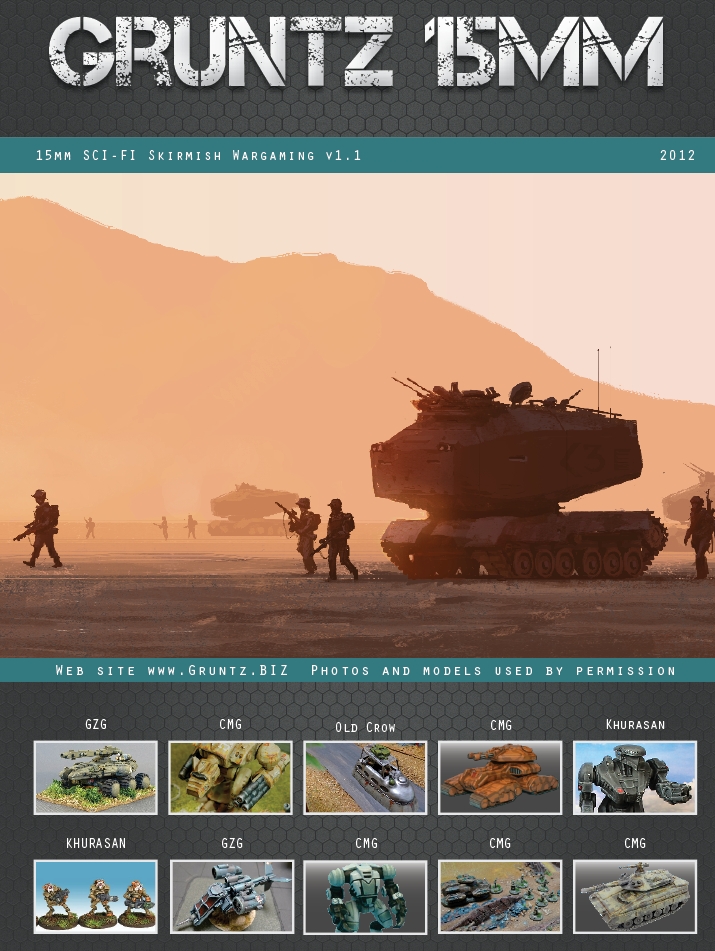
A long while ago I sort of sworn off any squad based rules and for a few years I jumped into larger, mixed forces WWII games. The smaller tactical stuff just didn’t keep my interest any more. However lately I’ve been having an itch to get back into squad-based infantry stuff. I’ve done the whole 40K bit before and had no desire to go that route, so I dipped my toe into the 15 mm sci-fi range and was looking for a few rule sets to try out.

Enter Gruntz, a 15 mm, man to model, skirmish game that can easily handle a platoon or more of minis. The game is a points based system where players try to field equivalent forces of an agreed value, see who can tackle a scenario, and come out the winner. Gruntz is a pretty simple system, with several layers of advanced rules to alter the play. At first glance the system is very pedestrian but by incorporating the advanced rules, there is enough there to give seasoned wargame fans a fun time.

The base rules revolve around a player activating their entire force, with the opponent doing the same for their troops (simple IGOUGO). Each unit can perform two actions, typically being move then fire, fire twice, or assault. Players roll 2d6, adding their unit’s skill, and try to roll equal to or higher than a target number to hit, followed by rolling 2d6 against another target number to damage a unit. Casualties inflicted give units suppression markers which reduce the number of actions they can do on following turns.

There is a nice gradation of attribute stats, as units can have different relative levels of training, morale, and equipment to alter these values. So units could mimic very stealthy units that can’t take a hit, to slower, easier to hit targets that are tough as nails. Vehicles also operate very similarly, but have a few more options when shooting and usually can take much more damage (as typical infantry can only suffer one wound).

There are some wrinkles to play. A unit has a few options with shooting to either concentrate fire, or lay down suppressive fire into an area. And units can also place themselves on overwatch to interrupt opponent’s actions if needed. However for the most part the game uses very familiar and simplistic mechanics to resolve fire and morale situations.

The advanced rules here are a nice touch. They primarily cover alternate ways to activate units, using random initiative via a deck of playing cards, to even alternate activation between opponents. Rules for actions that the player can take can also be mixed up, to give some more flexibility in the 2 different actions a unit does. While the game is set up for single based figures, there are even rules to cover multiple figures per base. These rules certainly give the game some needed complexity while not overburdening the player with an overly complicated set of simulationist rules.

The point system for building units is a pretty strong aspect of the game. There is a lot of room to give units not only varying attributes, but also special abilities. Also the system seems flexible enough to work up statistics for a variety of vehicle models, from copters, tanks, and APCs, to walking mechanized units. What is nice is that you could easily work up different flavors for troops and equipment to give forces a completely different feel, making aliens have differing play styles.

The game has several basic scenarios which usually revolve around with attacking and defending forces and give the players concrete goals and objectives. A nice break from the simple objective of ‘kill the enemy army’ you might see in other sci-fi games.

The Good – You have a fun little set of rules, with just the right complexity to make for an enjoyable game. The point system for unit creation allows for a makeup of different forces, allowing for mixing in air and armor pretty easy. You have enough variation in unit abilities and the base attributes to give forces a different feel for the same point value, adding a lot of variation in the force makeup from game to game.

The Bad – While simplicity has it’s charm, sometimes the mechanics can be a little rigid. Infantry forces are required to cluster around a unit leader, and elements that split off from a squad have very limited options. There are some variety of options with unit activation, however it does slip into that territory of IGOUGO with a single unit’s activation. There is some room for reaction fire, especially with charges, but these options are limited. For smaller scale games, I’d like more flexibility in target reaction. Also, while the point system does allow for variation in unit makeup, that problem of the min/max lists can crop up.

The Verdict – I have the newest V1.1 and was happy to see not much changed compared to the original Gruntz. At its core is a very approachable skirmish-scale wargame that allows players to field a variety of forces. While infantry are what your troops are built around, it’s nice to have some other options in the force makeup.

The execution of the game may not be ideal for everyone. You very much have a unit undergoing different actions, without any response from the opponent. Infantry unit cohesion is also a little tight (3”) and inflexible (however with 6 man squad sizes very understandable). There are a lack of campaign rules, and options for setting up the board revolve around mutual player agreement.

Still the game sets out to give a basic ruleset for sci-fi infantry skirmishes and delivers. Where you can argue the unit activation and resolution of tasks is very simplistic, at the same time you can say they are streamlined and get the players involved. You throw buckets of dice and have quick, easy, resolutions to combat which is enjoyable. While there is a bit of bookkeeping required for managing troops in the manner of unit cards, the rules themselves are easy to remember.

It’s a fun ruleset. For squad-based infantry games folks might want something a bit more fluid and dynamic. However if you want a game that has a good set of basic mechanics, that is tactically challenging and enjoyable, with enough room to allow players to explore different force makeups for their troops, Gruntz is a great entry point into the 15 mm sci-fi wargaming realm.

Off to far away lands…

…which sounds far more exciting than what it’ll really be like (in meetings throughout my travel time).

I do travel a bit with my work. It seems over the next few months my international travel will be absolutely nuts. Expect posts to be very infrequent. I’ve got some posts in the pipe so the blog will likely be on automatic pilot for a few. Please forgive me if it takes forever to respond to comments. Very likely stuff is getting thrown up on a schedule while I won’t have reliable internet access in real life.

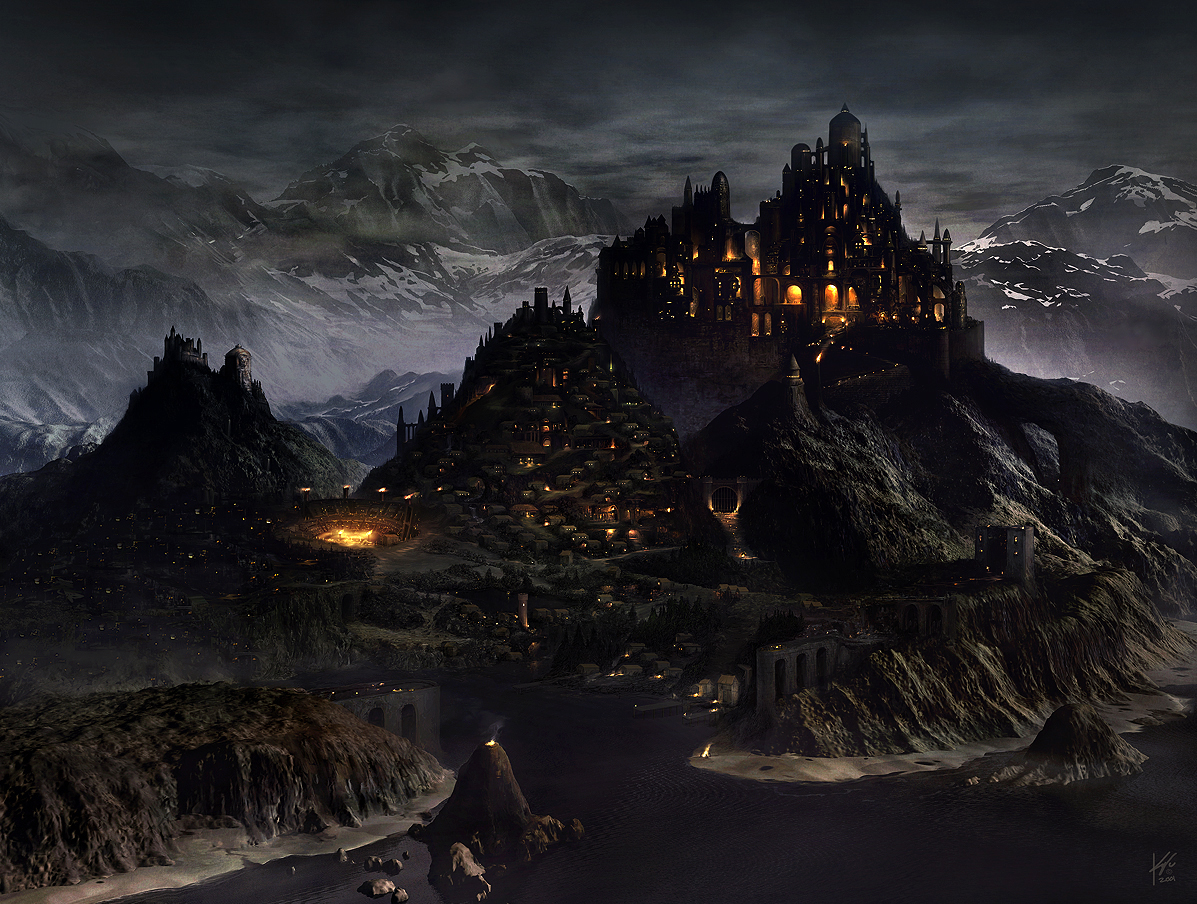
Until then while I’m off visiting another city, enjoy one of fancy from Geistig. They have some neat pieces on their deviant art page, including some cool fantasy adventure images.

Review: Bolt Action

Years ago I used to play Battleground: WW2 which was an infantry skirmish game. 40K was sort of getting boring for me and I wanted to dip my toe into historical wargames. I liked the rules and scale of the game so I jumped into BG pretty eagerly. I had accumulated a healthy collection of German and US 28mm troops. It was a pretty fun system with lots of charts and individual resolution of actions. They had tons of hit charts for tanks and all sorts of armor and support vehicles. Unfortunately the support for the game dwindled (rumor was one of the developers had health issues in the family) and eventually evaporated. I lost interest in small scale action and got pretty heavily involved in Flames of War. For a long time I never really liked painting the 15mm scale, but the idea of mixed forces at a company level (armor and infantry) was enticing.

Years later I’ve been hankering for getting back into squad tactical wargaming again. 40K is definitely not on my list and I’ve been slowly collecting various 15mm rulesets and models for the sci-fi genre. I think I’ve got a few solid entries for what will hit the tabletop soon. However between Firestorm Armada and my sci-fi skirmish gaming, I’ve got this hole for infantry-based wargames. There’s still this pull towards doing some historical gaming.

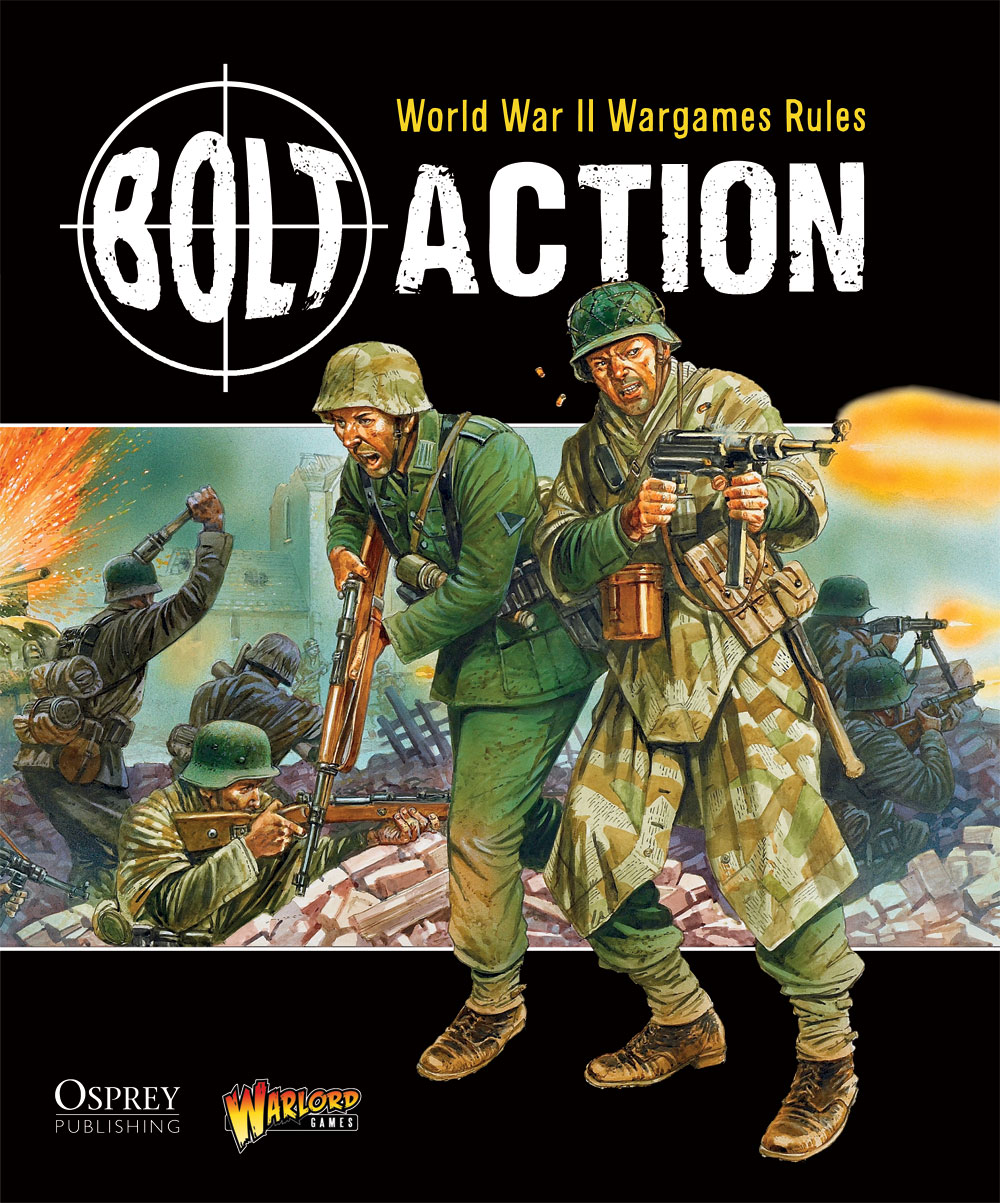
Enter Osprey Publishing and Warlord Game’s Bolt Action. It’s a fast paced man-to-model infantry game, with plenty of rules for tanks, artillery, transports and air support. I think I’ve found a set of rules that has drawn me back into wanting to paint, model, and play infantry WWII wargaming again.

The scale is set aside for 28mm. While Warlord Games are a likely supplier, there are plenty of other manufacturer’s for that scale. Also it seems that 1/48 scale model kits have become more commonplace than a decade ago. Still, I’m working on 1/72 scale troops (more options for tanks) and the default scale of ranges and table length seems to transition well. Table dimensions are based around 4′ x 6′ with most effective firing ranges for rifles at 24″.

The game is based on rolling a D6 or a pair of dice for resolution of most mechanics. What I enjoy immensely is the relatively streamlined approach to handling combat and morale. All the pertinent game rules can easily fit on a few sheets and some brief tables. I’ve become a fuddy-duddy with my wargaming. Simple works wonders for me and surprisingly there is a lot of tactical depth that can be drawn out of the game. As shooting and combat goes, players roll for individual models to hit against a set number with modifiers (most of them negative) applied to the roll. If hits are scored, players then roll for damage against a sliding scale based on the quality of the troops (poorer troops take more casualties than trained troops). Regardless if troops are killed, a pin marker is allocated to that unit.

Turn resolution is also done well. Rather than the IGOUGO system, or even alternate unit activation, players have a number of order dice equal to the units in thier force. A colored die is randomly drawn, and if it’s your color you get to activate a unit of your choice, otherwise your opponent goes. This random draw system is similar to Battleground WW2 and something I’ve always enjoyed. You might get a string of lucky (or unlucky) draws being able to activate several units, or sit aside while your opponent maneuvers around. Orders fall into typical ones like advance, move, fire, go to ground, rally, or set themselves on overwatch to react to any enemy. By default, units can always react to assaults too. All of this creates very fluid action with a decent dose of randomness. While you can activate a unit of your choice, you aren’t certain if you can activate a unit until that color die is drawn. If you have more individual units, you have more dice, increasing the likelihood you’ll get an order die when needed.

To add another layer onto the randomness of unit activation is leadership and the pin mechanic. As I mentioned, a unit taking fire gains a pin marker. If any unit has a pin marker, they have to pass a leadership test to successfully execute their turn order. Otherwise they stay in place and take cover. Additionally pin markers give a penalty to leadership checks which is cumulative. This adds a very important mechanic to the game. While you may not be able to eliminate a unit through casualties, you can effectively suppress a unit through volume of fire. As pins accumulate on the target, they can’t react as well and if casualties are inflicted, will likely result in the unit breaking.

It’s a simple, effective means to model the concept of suppression, and also reinforces the importance of unit training and leadership. Well trained, high morale troops can take more punishment. Poorly trained troops will likely panic, but under the wing of a good leader, press on despite being fired upon. Pin markers also are applied to armor units depending on the weapons fired. All in all I really enjoy this aspect of the game, where it’s not just the model kill count that matters (squints eyes over at 40k…).

There are rules for tanks, transports, gun teams, mortars, snipers, off board artillery and air support. Just about everything for a dynamic game. Bolt Action is point based, where players assemble a force based on an agreed total (usually 1000 points). Each force must have a compulsory headquarters (officer) and 2 infantry squads. Then they can fill their force out with other units. One particular part I enjoyed with the rules is that every special unit is limited to one slot. I can only support my platoon with either one tank or none. No taking minimal size infantry squads and then piling on 4 tanks to round out the force. You have to make a lot of hard choices, but have a lot of options available.

The rules detail 6 scenarios, one of which is a simple attrition-based game. Most of the others require maneuvering to specific areas on the table or holding objectives. A very nice rule to the scenario setup is that it can be decided randomly, further, players roll randomly to see if they are the attacker or defender. What I enjoy about this is the flexibility needed for your force composition. If you build your troops around being a static force, requiring ambush and defensive positioning, you may very well be attacking in a scenario where your objective is to exit as many units as possible across the opponent’s table edge. This encourages you to try an be adaptable to a variety of scenarios and roles.

By default there are several army lists for the major players (Germany, US, British, and Russia) right out of the book. There are more nation specific army books available and more in the pipeline (including the Pacific theater!). However all that is needed to play is the rulebook alone if desired.

The Good – It’s a solid WWII infantry ruleset. Task resolution is simple with enough variation on unit activation to make things challenging. There are enough rules to cover different infantry units, and also have rules for other non-infantry units. I’ll take a moment here to talk about the book quality. It is amazing. A nice thick bound book with plenty of color photos and diagrams. It’s well indexed with great rule reference sheets at the end. The book also has a decent amount of timeline summaries on major events within the entire historical period. It’s a professional job and shows the lovingly applied detail from Osprey Publishing.

The Bad – Some mechanics have wild variability and freaky luck can occasionally creep into the game. I see it more as its charm, and after giving a thorough reading of personal accounts of WWII combat, actually models events rather well. We like to approach these games as chess, where in reality things were much more chaotic. Still, there are some particular unit rules that can be a little ‘gamey.’ Folks might also be put off by the use of specialized order dice also (however a deck of black/red suit cards could be easily be used instead, and the rulebook allows for regular dice to serve as a proxy).

Another detraction can be the point lists. For competitive tournament play, I expect this is needed. However it does leave some room for min/max army lists where historical accuracy is dumped for that elite mixture of units. It’s a nature of point systems. I am particularly worried if power creep will come into the game with the future release of nation specific books. I can swallow these detractions for accepting the idea that each player has an opportunity to field a potentially equivalent force, but some players might be more happy with a gentlemen’s agreement on force composition.

The Verdict – Bolt Action is a fantastic WWII skirmish game. It’s not a simulationist game. Movement, terrain effects, and combat can be abstract but the resolution of these elements are simple and quick. Despite this simplicity, there is a surprisingly amount of tactical depth to the game. The random unit activation gives it just the right amount of unpredictability needed to make events which unfold during a turn more engaging than an IGOUGO system.

Most of all, the game is about maneuvering while other aspects of the game encourage holding position and firing. It’s a constant nail biting choice to either move your troops into a more advantageous position, or stick it out and hope you can inflict casualties with a fire order, or while on overwatch. The backdrop to this is the pinning mechanic. Throw enough fire on serious threats, and you can allow a unit to advance with some small measure of safety. It works and the streamlined mechanics for conducting all of this makes the game run well and be loads fun at the same time.
The 15 minute paint day

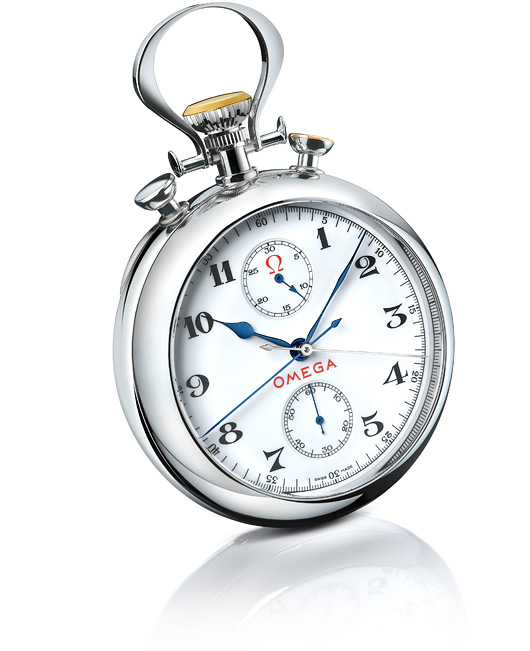
pocket-watchFloating about has been this idea of tackling creative projects in chunks of time. You think of all that time needed to write that story in your head and you’ll never get started. A workaround is to take it in small bits of time along the lines of 15 minutes. If you have more time and get in a groove, go with it. However if your ideas are puttering out, hammer away for just 15 minutes. Given the busy schedules we all have you can still easily find at least 15 minutes free. Keep at it for a month and you have progress on your project. No clue how this works with writing, but I’ve adopted it for my paint bench.

I do what some folks do with their minis, the figures sit around collecting dust for a while and then I get hit with the paint bug. BAM! One month of solid painting and I crank out a ton of figs. At that point I look over at that pile of bare metal and decide to hold off on painting for a while. That thought of having the time to sit down for an hour and get through my models impedes my desire for painting. I’m too busy. I have too many other things going on and just can’t justify the time to sit at the paint bench.

So I adopted a 15 minute paint day. Every day I set aside 15 minutes to work on my models. I count time once I’ve gotten my figures, paints, and water situated (less than two minutes). Set my timer up on my phone and paint. Once time is up, I wash my brushes and clean up my bench.

Face it, you’ve got 15 minutes every day. It’s a small section of time that folks can fit in their schedules. It just takes that gumption to stick with it. To be frank it’s not easy. I still fall behind this work ethic, but have been able to get in at least 5 days a week. When I have more time on the weekends and work an hour or so, I still just count that as 15 minutes (no carrying it over to count for other days).

Those 15 minutes add up. I can say that I’ve gotten in over an hour painting each week. More importantly, you are making continual progress on those painting projects. I never get that sagging feeling of guilt when I accumulate more unpainted figs to the pile, as I am slowly chipping away at that stack converting bare metal into painted minis.

Best of all, on a Sunday morning I’ve got my coffee and zero pressure to stay at the bench. If I feel like painting more I do it. If not, I put in my 15 minutes, stop, and do something else. I never feel like I have to squeeze some time in during a month to paint up that unit of troops that’s been sitting there. I just stick to 15 minutes a day and realize eventually they will get painted.

So if you paint in spurts, and have that long lag time between sessions at the paint bench, consider just trying to sit down every day for 15 minutes. Just a small part of the day, allowing you to work on your models and enjoy the process of painting them up. Just 15 minutes. You’ll be amazed at your productivity at the paint bench.

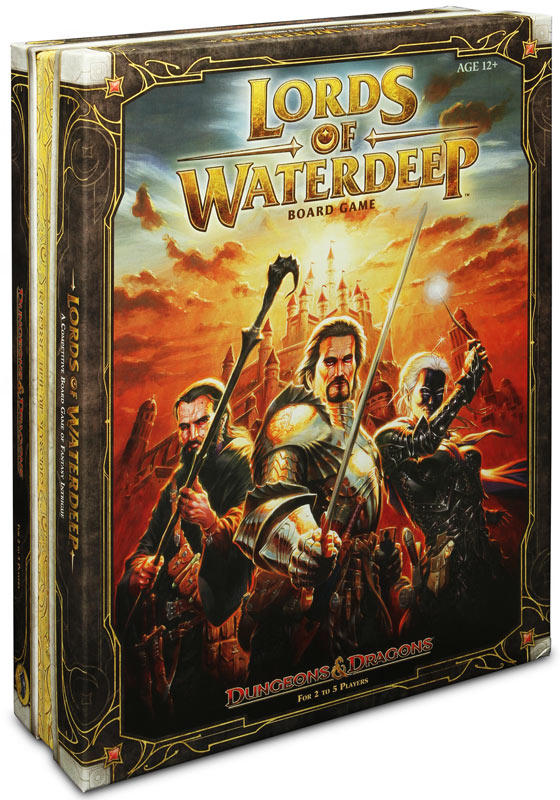
Review: Lords of Waterdeep

Lately I’ve been on a kick with worker placement games, especially with my reviews. I finally managed to snag a copy of Lords of Waterdeep and have gotten enough games under my belt to do a write up on it.

Lords of Waterdeep has 2-5 players acting as leaders of the many factions within this Forgotten Realms D&D city. Each player is seeking to gain influence and prominence within the city while undercutting their competitors. The goal is simple, gain the most victory points at the end of eight rounds.

Players gain victory points primarily through completing quests. Throughout a round they are constantly trying to gain different quests, and obtain the adventurers and gold needed to complete them. This is done by taking an agent from your pool and placing them at a key location within the city.

There are a variety of locations, and more buildings can be constructed to open up more areas in the city. Each location however can typically house only one agent. So players are constantly jockeying for the most ideal spot to gain gold and the right type of adventurers for completing quests.

A nice wrinkle to this are the constructed buildings. Each building constructed by a player is under their ownership. If another player assigns an agent to a building you own, you also get a small bonus. This sometimes makes for a difficult choice. Do they select to influence a building under control of another player? While they get the resources needed for a quest, they also are giving their opponent some reward too.

So far what I’ve explained is your typical worker placement game, where you try to squeeze out as many resources as possible and implement area denial for your opponent’s agents. A nice twist is the intrigue cards. These are cards that allow you to gain extra resources, or potentially force your opponent to complete a minor quest. This effectively bleeds off heroes recruited to tackle more profitable quests, messing with their plans. It’s a nice addition that introduces more direct player interaction.

There is one last change up to the game play. Each player at the beginning of the game secretly selects a lord they represent. These lords get bonus victory points for particular quests that are completed. At the end of the game, it’s quite possible for a player to get a huge bonus by completing a pile of specific quests. It can be a challenge to figure out what type of heroes are continually being sought, the types of quests slowly being accumulated, and deduce what lord your opponents are secretly playing.

The Good – It’s a very fun worker placement game. It’s just the right length, forcing players to try and get as much done as soon as possible. There is a fair amount of player interaction also using the intrigue cards. The artwork is well done and enough flavor text to give a bit of immersion to the game. It has great components with a nice linen finish on the cards, plenty of wooden pieces, and thick cardstock for building tiles and coins.

The Bad – While the secret lords are an interesting facet, for the most part it adds a ‘gotcha’ aspect of the game. It can allow for a truly huge endgame surge to a player’s victory point total. The assignment of the lords are secret and random with bonuses applied to two different quest types. Completed quests are stacked up in a pile (effectively being hidden), and can all make it more a guessing game to figure out what types of quests your opponents are working toward.

The theme is different and has that fantasy touch, but in reality you are collecting different colored cubes to complete work orders for points. The artwork and fluff text could be given a sci-fi theme and you’d have the same play experience. It just doesn’t capture that feeling of recruiting adventurers and undergoing heroic quests. It really could easily be some generic abstract economy worker placement game.

I’ll also quibble about the box. At first I thought the box insert was well designed, but after some use I drastically changed my mind. It’s just too finicky to put the pieces back in, needing to be ‘just so’ and worse of all, the box has to remain flat. If the box is propped up on it’s side, expect parts to fall out of the insert and shuffle around inside. I quickly threw my insert out and put everything into baggies.

The Verdict – Lords of Waterdeep is a great game. It’s the right game length and complexity to make it very approachable to a variety of gamers. There are a lot of subtle working parts to the game, especially acquiring and using the different buildings and their powers. It also has that interaction from intrigue cards that goes beyond your typical ‘grab a space before your opponent’ seen in most worker placement games. Like Kingsburg it has that depth of different building strategies and a little twist in game play to make it stand out.

To be honest, I shied away from LoW when I first heard about it. I just don’t get into WotC board games much. But the buzz around this was humming and I took the plunge to buy it. I was pleasantly surprised. I’ll also add you don’t need to have any knowledge of Dungeons and Dragons to enjoy this game, anyone can easily jump in and have a grand time. It’s a great, fun game and likely one of the better worker placement games out there.