Review: Five Parsecs from Home

As I’ve gotten older and my schedule filling up with non-gaming activities, I’ve found my flexibility to game with other people waning. So over the past few years I’ve been leaning more towards games that have a solo component. It’s much easier to have a table set up where I can putter down to the basement for a few hours during the week, instead of trying to coordinate with folks on where and when to get a game in. For board games I’ve got loads of choices but for miniature wargames there hasn’t been many options. I stumbled on Modiphius Entertainment’s Five Parsec from Home and was eager to give this sci-fi skirmish game a shot.

It’s an interesting game as it leans heavily on roleplay elements. You create a crew of individuals, one of which will be the captain that much of the game revolves around. Each member will have a basic profile characterizing their movement, combat ability, how quick they react, and a general stat for non-combat events. There are options for different alien races and a bevy of gear and equipment, all of which is generated randomly on a series of charts and tables.

For the meat of the skirmish game itself, you play on a table somewhere between 2 to 3 feet square. A good amount of terrain will be needed to break up line of sight. You’ll have roughly 6 crew members matched against a random number of opponents (usually about 3-8). The game will have some manner of a win condition and is played over rounds. 

Each round you will roll for reaction, assigning each die roll to a crew member. You are trying to score equal to or less than a crew’s value. This allows you to act before your opponent. You can also have a crew member hold an action, interrupting the opposition’s turn with fire, or even just hold off till the end of the round. After initial quick reactions (if any), the opponent acts. Every figure activates once. Finally the player’s crew will have a turn with any remaining members activating if they haven’t done so.

An activation is a move and shooting or melee, just attack, or go on a full out sprint getting a little extra movement for the round. Ranged combat is dead simple using d6 and true line of sight. Close up, without cover hits on a 3+, 5+ to hit targets in the open at range, with most rolls needing a 6 to hit while in some manner of cover. The number of dice will match a weapon profile, adding the unit’s combat ability. Simple.

If a unit is hit another d6 roll is made adding the weapon’s damage value that is compared to the target’s toughness. Rolls equal or greater than the toughness will essentially take the model out of the fight. Otherwise they take a stun marker. Units with stun markers have limits on the actions they can take the following round (and then the stun marker is removed). But if a model gets 3 or more stun markers, they are removed from combat. Basically they are knocked out and removed as a casualty. Melee combat is resolved similarly but the opponent will get a chance to exchange blows.

Combat is brutal, quick, and easy to resolve. You’ll find yourself jockeying to get into position, hoping to get that quick reaction roll so you can provide overwatch while other members of your crew maneuver towards the objective. The opponent’s actions are governed by a simple AI that will dictate how aggressive they advance, adhere to cover, and what formations they will use on the table. The tactical rules are pretty bare bones and simple. What pairs wonderfully with this are the campaign rules.

See the game has a strong story theme. You are managing a starship crew and the resources needed to keep them going. You define a rough goal for the campaign picking from a list. This might be to earn so many credits, or as simple as playing a certain number of campaign turns. You measure resources as abstract credits. Each campaign turn you have to pay upkeep for your crew which increases if over 6 members. Your starship has a sort of mortgage that will increase until the debt is paid off. Damaged equipment needs to be repaired (or dumped as a loss) and injured crew members will need treatment.

Each campaign turn you’ll have crew members undertake different tasks. This might be to try to  barter for equipment, seek out information and opportunities for big scores, or recruit new crew members. Every campaign turn you will automatically get a job opportunity, but you really want to obtain patrons. Patrons offer more lucrative payouts and potentially other benefits for completing operations. Job opportunities dry up? Get too many local rivals? You can pack up and jump to another planet.

This leads to how the tactical game plays out. Each mission will have an outline of a random objective and forces you’ll be fighting. Objectives might be to obtain a specific item, get crew members across the opposite table edge, or simply eliminate the opposition. This is paired with a randomly determined group of enemies and other battlefield conditions. 

Complete the mission objective and you get a decent payday along with some loot. Fail a mission, you’ll get a few credits but it’ll mean losing a patron and a tighter budget for the next campaign turn. Crew members that survive will earn experience which can be used to improve their stats. Over the game you’ll have crew members develop, get better gear and weapons, and sadly, some will be removed as casualties. All of this is done through random charts that results in an evolving, narrative experience that makes the game shine. 

And the potential outcomes are so varied. You can gain rivals, suffer a planetary invasion, get information on a juicy job, or a snippet of data that leads to an extended quest where you’ll keep seeking out rumors until you get the MacGuffin, earning a big reward. Crew members can suffer a bout of PTSD and sit out a mission or two, gain a skill, or other noteworthy life event. There are a series of charts you’ll be rolling a d100 for, continually evolving the trials and tribulations for your crew.

It’s paired with light resource management. Aside from gear and equipment, you also have credits. This part reminds me some of the classic solo microgame, Barbarian Prince. You are ever striving to balance credits needed for maintaining your crew and ship, and spending them for better equipment and skills. A windfall job can help get you out of debt, paying off your ship. Or a mission can be disastrous, having crew members tied up in the medbay or with damaged gear, leaving the hard choice of either cutting them loose or spending more of your precious credits to get them on their feet again. As a solo experience, it’s a lot of fun. Best of all there are also other more narrative elements like luck and story points which can be spent to mitigate a bad die roll some. So if you think you’ve gotten hosed with a streak of bad luck, there are ways to counter it. But like credits, their supply is limited.

The Good – It offers a grand experience that borders on being a roleplaying game. There’s a lot of choices with a touch of resource management each turn of the campaign. It’s matched with a tactical wargame ruleset that is fast and engaging. With varied opposition, battlefield conditions, and objectives this randomness increases the replayability. Best of all the actual battles flow pretty quickly with just enough tactics to make it enjoyable without bogging the experience down with lots of simulationist rules. It’s great fun expanding the abilities and gear of your crew, ever on the hunt for that next big payout.

The book is colorful with pleasant art. While an index isn’t present, the rules are sectioned off in different colors making it easy to go through after some familiarity. Another huge plus is the game is miniature agnostic. Any figures will do and the game works well in 28mm or 15mm without having to turn rules into pretzels for ranges.

The Bad – The rules are pretty well laid out but it can take some time to fully grasp everything. There are a lot of procedural charts which are rolled on and the first few times can be difficult to navigate everything. You are going to have a fair amount of bookkeeping to keep track of gear, cash, and other game resources. Lastly, the actual rules for playing the wargame portion are pretty thin. Some fights can be blown through so quickly, it might border on being anticlimactic. I could see the argument that as a skirmish wargame ruleset, it would be too light for some tastes.

The Verdict – Five Parsecs from Home is a wonderful solo sci-fi game. You aren’t going to get a meaty tactical AI experience here like with Star Army 5150. But it’s enough for a quick, brutal gun fight with enough gear and abilities to keep it interesting. Plus I love the idea of units sticking to cover as much as possible, risking that mad dash across open ground to get to an objective. All the while hoping your mates can offer enough suppression to stave off any incoming fire.

It’s paired with an enjoyable campaign ruleset. You will have a few random events, but also each turn mull over the choices to send off crew members in hopes to achieve some task. Do you settle on taking the regular opportunity job? Or do you put time and resources into finding a patron that will offer more lucrative pay? Do you spend credits and time trying to repair equipment? Or let it go and see what a crew member can find on the local market? Lots of fun choices. Lastly, if you think you’ve garnered too many enemies and dried up your prospects, you can always fly to another planet to see what awaits.

The battles also have a fair number of core objectives you need to achieve to win. And on top of that are several profiles of enemies you’ll be fighting against. The variety is impressive for such a modest rulebook. For me that is the selling point. It’s not some deep story, but Five Parsecs from Home sells a narrative experience. Over time you’ll see your plucky crew of adventurers and mercs improve, get better gear, and slowly accrue riches and fame. I am pleasantly surprised how much is packed into the rules. Well worth checking out if you are looking for a solo, sci-fi, skirmish wargame.

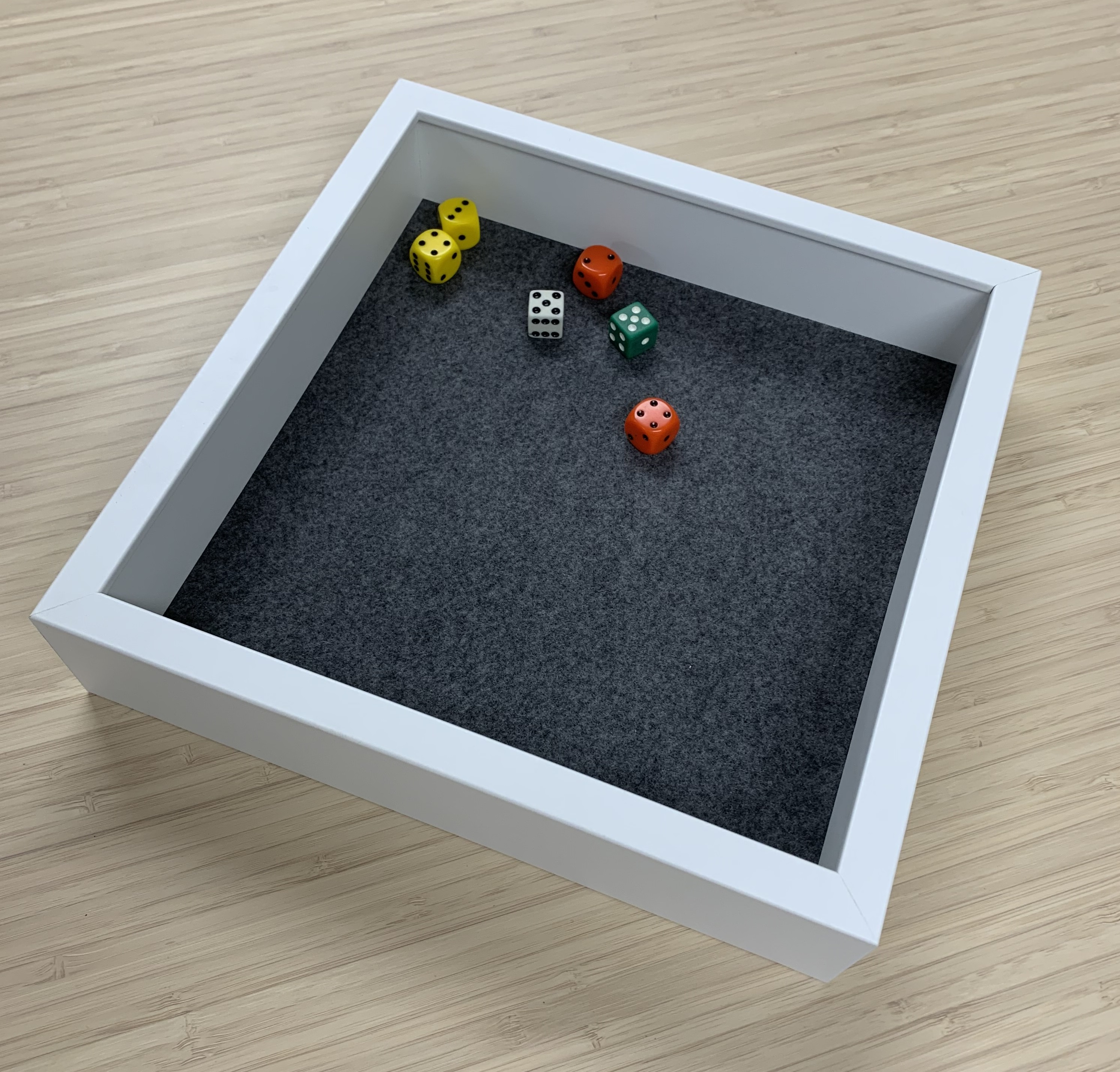
Photo Frame Dice Tray

I decided to bling out my wargaming some and spare the surface of my gaming table by getting a dice tray. I avoided the pre-made options out there and thought about making my own. Granted my woodworking skills are horrible, so I considered photo frames. Sadly many out there are beveled but don’t quite have the depth I was looking for, that is until I went to my local Ikea.

It seems that Ikea now offers some recessed photo frames that would work perfect for dice trays. There are two in particular that seemed to be ideal, the SANNAHED and VÄSTANHED. I picked up the SANNAHED as I liked the square shape. Both are pretty cheap, about $6.

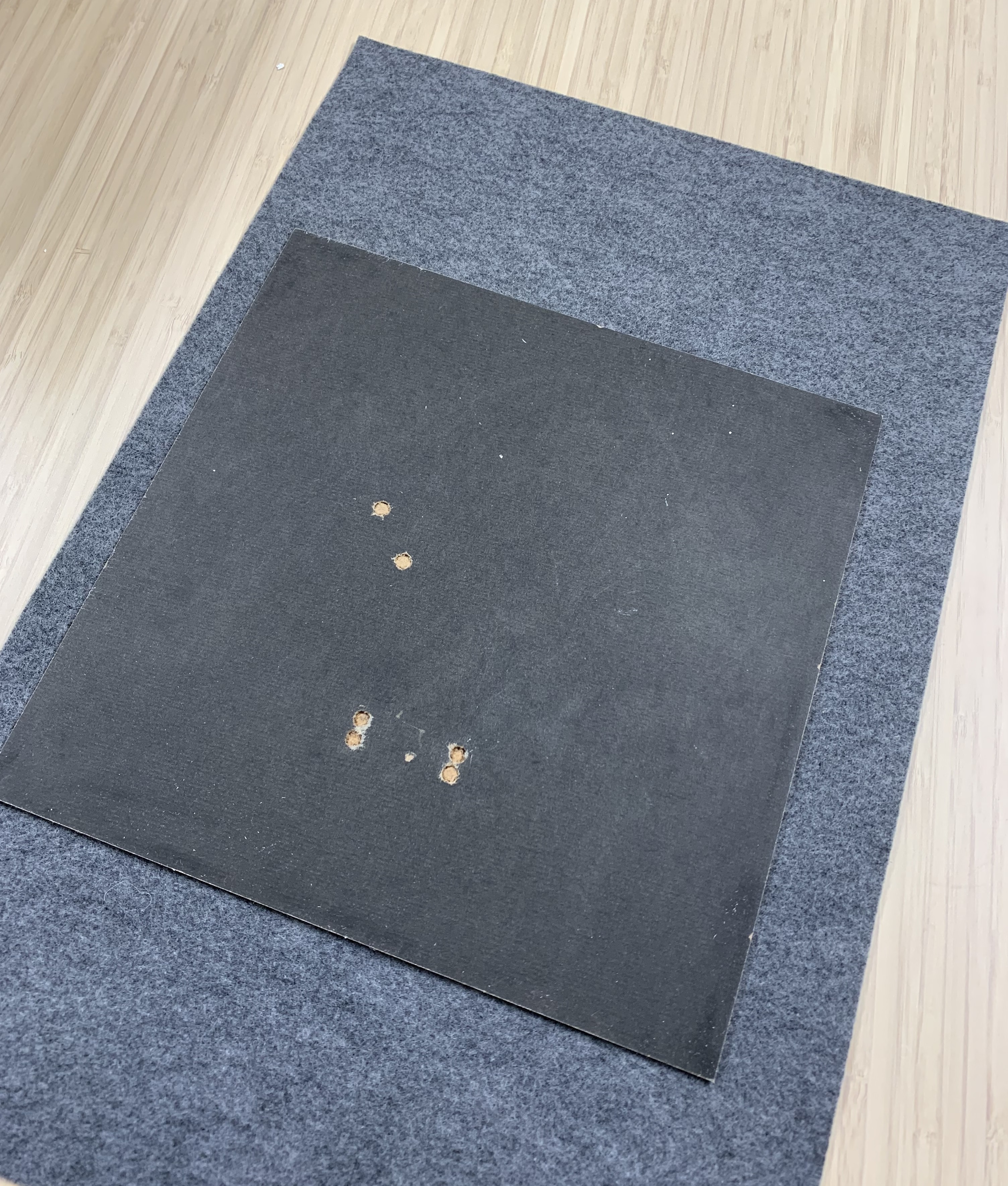
I carefully pulled off the hanging frame tab and folding stand, both of which came off the MDF base quite easily. There is a matt board along with a thin acrylic sheet. I tried using it without changing out the acrylic sheet but found the surface almost too slick. Using D6s with rounded edges, some would spin a while before rolling to a side. I ended up pulling that out and went a step further putting some felt on the backboard.

Attaching the felt was an easy affair. I used a copious amount of PVA glue on the backboard and placed it flat on a piece of oversized felt. With several heavy books stacked on the backboard, after leaving it overnight I got the felt adhered securely with a nice even surface. A simple trim of the excess felt, putting the backboard into the frame, I got my new dice tray. All it took was a swing by Ikea, a trip to the craft shop, and about $7 for a great little dice tray.

Project NISEI (now Null Signal Games): System Gateway

FFG pulled the plug on Netrunner, but the community has been hard at work keeping the game going. Two years ago Project NISEI (now Null Signal Games) released a brand new expansion which was pretty stellar for a fan made product. However a lingering issue was the lack of cards that could introduce new players to the game. You could work with getting a bunch of proxies made up but it was a fairly monumental task and not something a new player could navigate through.

Project NISEI understood this and at the end of March, 2021 will be releasing a brand new core product, System Gateway. It consists of 3 different products. The Starter set offers basic corp and runner tutorial decks with a few extra cards for some tinkering. Looks ideal for providing an easier experience learning the nuances and rules of Netrunner. It’s followed up by the Deckbuilding Pack which expands your pool to include all the factions allowing a taste of their different playstyles.

This is a nice implementation for a new player experience. You get a bare bones introduction offering a simpler, yet solid, means of learning the game, along with some additional cards to branch out into different deck construction options. This is further expanded with a third product, System Update. These are old Netrunner cards given a new design. For a brand new player they provide an even deeper delve into deckbuilding.

Time will tell how these sets fare. However I like that if you happen to get people into Netrunner, there are some options out there for people to build their own card collection. My one nitpick is that Netrunner does require a lot of tokens. I’ve got some simple turn and credit trackers, along with some other play aids to keep track of viruses, tags, and the like. They are ugly, bare bones designs but are functional. At least a cheap way to keep record of stuff with a handful of coins or glass beads.

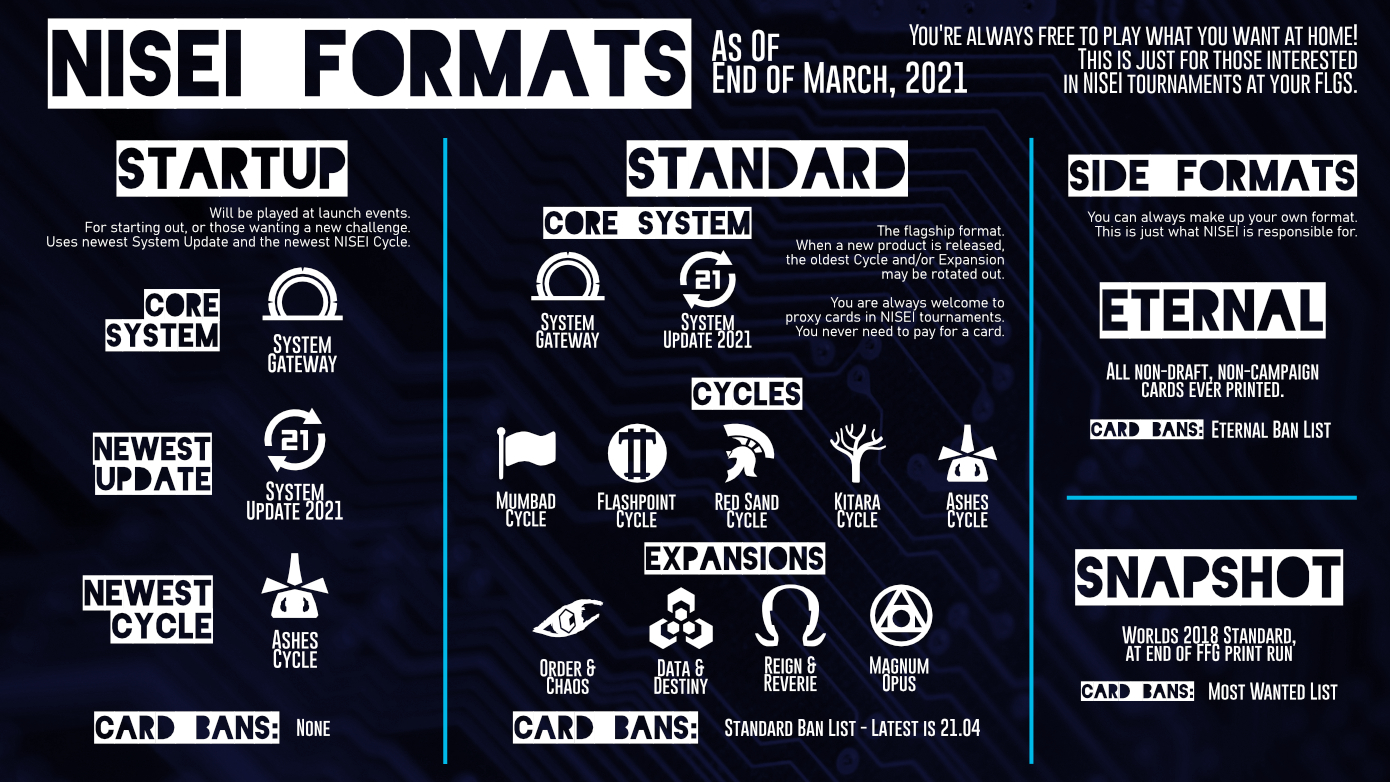
For older players, there seems to be a lot of official formats out there. A reddit post summed the formats up in a nice graphic. Interestingly, I feel the System Gateway format of just NISEI products looks like it would be a lot of fun. A telling sign I hope which will encourage people to take up the mantle of getting new players into Netrunner. Knowing there are cards out there new folks can get if they like the game, that seems an endeavor worth pursuing.

Getting the Band Back Together

Did a big move a little over a year ago and when I started fishing for a potential RPG game COVID-19 hit. So pretty much any hope of getting a game off the ground was going to be tough. Recently I shot a quick email to my old group wondering if they would be up for a monthly episodic game. I was astounded and pleased everyone was eager to play.

The next pickle would be for us to pick out a game to run. I threw out a few potential genres but was set on running a game using the Apocalypse World system. Heavy on narration and light on book keeping, it looked like a good fit for online play. The group congregated around a modern supernatural setting using Monster of the Week.

We are running the game on Discord which looks like it will work. I am concerned with such a heavy conversation game, using a virtual setup will restrict some of the typical rapid back and forth you’d get sitting around a table. However not having to use maps, roll odd dice, push tokens around, etc. will be a plus making a bare bones system ideal for online gaming.

So the gang will be poking around the fictitious town of Brimstone, TX in the near future. Had our session 0 last week and everyone seemed to get into character. I get the feeling everyone is having fun and a regular monthly game looks like its just the right frequency for their social calendars. Now to sit down and figure out what mystery they’ll be investigating. It’s good to get back into the GM chair again.

Firestorm Armada…. I’m not dead yet!

Sadly when Spartan Games went under, one of my favorite space fleet battles systems also went the way of the dodo, Firestorm Armada. I heard some rumblings that Warcradle Studios picked up the properties of Spartan Games and wondered if the setting would ever see the light of day again. It appears that Firestorm Armada will be given a second chance.

They are doing an open beta and the rules and other files are available for free (for now). I find it interesting they are also embracing a hexagonal base too. Which looks like a good way to add some delineation of firing arcs. I liked the concept of the range bands for weapon systems and having more arcs of fire will allow for some deft maneuvering over the square bases of old.

Regardless, cool to see the game getting a second life and eager to see the models Warcradle Studios has in the pipe.

Saturday Gaming Spark: Oracle’s Trade House

A nexus of trade on the periphery of an oasis buried deep within a sandstone canyon, this trade house is a place of rest and resupply for desert travelers and merchants alike. While merchants eagerly trade rumors and exotic goods from their respective regions, they also seek to pay their respects and offerings to an elusive, ancient oracle which resides in the upper chambers. She rarely makes an appearance outside her confines. But the merchants eagerly listen to her rasping voice dispensing visions of the future, parsing out her insights, gleaming what information they can on the most fortuitous routes to take through the surrounding inhospitable terrain. Link.

Saturday Gaming Spark: Apothecary Refuge

Deep within the jungle a group of pious researchers in the healing arts have carved out a laboratory and repository of knowledge within cliff walls of the river falls. The surrounding land holds a plethora of herbs and plants, many of which are not fully studied for their medicinal properties. This remote apothecary is a treasure of healing knowledge and a refuge for infrequent travelers that make the trek through the dangerous jungles. It is open to all, but those seeking aid are tasked with a simple request in lieu of payment. The staff of the laboratory only ask that written compilations of their works be deposited in the Grand Arcane Library. The wet and humid jungle climate is simply too harsh an environment for written tomes, and better locales for archiving the results of their medical studies are needed. Link.

Saturday Gaming Spark: Sea hag’s moon

The mangroves are cursed according to locals. A labyrinth of trees filled with saltwater crocodiles, venomous snakes, and dangerous to those who don’t know the shores well. But the most dire horrors are the sea hags. It’s said that during a full moon the hags are the most active. The moon’s rays cast the creatures as lovely nymphs. Many crying and wailing softly, their frail looking forms imploring men to come to their aid, only to transform into their true hideous forms and drag their victims under at the last moment. Woe is the lone fisherman that falls prey to their siren’s call. Link.

What to buy next for Arkham Horror: The Card Game

You’ve tackled the core set multiple times and finally want to look deeper into the abyss that is Arkham Horror. What do you pick up next? Unfortunately the product line for the Arkham Horror LCG has exploded over the years. While it’s great to see the game have tons of support from FFG, wading into the LCG as a new player can have your head spinning on how to expand your card collection. So here are some suggestions.

Do you need a second core? This is a resounding no, a second core is not needed. Maybe four years ago there would be a lot of conventional wisdom behind doing this. But the game is at a different point now. So no, you don’t need a second core set.

I could see years ago why folks felt this way. Fortunately, my original criticism of the game finally seems to have been addressed. The old core set gave you a taste of the game for up to 2 players. You really could not do much deckbuilding with just a single original core set. Even worse, you can’t explore all the investigator combinations as they rely on dipping deep into a common pool of cards for others. There is a revised core set that takes those issues head on.

There is a dogmatic view it’s required to have two copies of certain cards to make any deck viable (notably Machete and for mystic investigators, Shrivelling). Additionally there were neutral skill cards in the core set considered staples for deck building.

The card pool has greatly expanded giving you lots of other options. While some weapons might not be on the same efficiency scale of Machete, there are decent variants, and also other tools (Prepared for the Worst) to help a player dig through their deck to find that lone copy if needed. Lastly I’d argue that neutral skill cards are too limiting. You now have lots of other cards which can help bolster lagging skill icons and these have other abilities to boot. However now this argument of requiring additional core set for investigator cards is moot.

There is a revised core set in the pipe that removes the need for a 2nd core set entirely. All investigators will have 2 copies of their class cards and additional neutral ones. You can pick an investigator and all the cards will be there to play them. As an additional plus, FFG threw in some new upgrade card versions (which had all been released from previous expansions). So you now have even more deckbuilding opportunities as you progress through the core campaign.

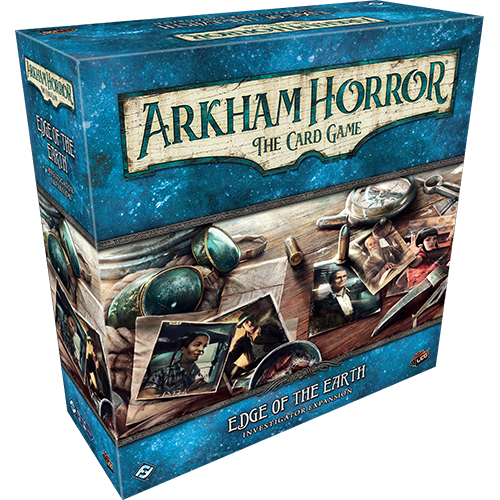
Campaign Cycle Expansions – If wanting to get more bang for your gaming budget, this is an excellent way to expand your card pool. Now FFG has changed the expansion cycle packaging to make it far more easier to get into. Each expansion now comes as two products, one is all the investigator cards in one go. While another boxed set consists of new encounter and scenario cards for the campaign itself. This is far better than the old product line packaging.

Previous campaigns were structured around a big box product that had 2-3 scenarios, new investigators, and encounter cards specific to the entire expansion cycle. And was then followed by 6 additional scenario packs that also had more investigator cards. From the old product line, a typical release schedule was playing the expansion box scenarios first, and then getting each scenario pack sequentially. Or you could get the entire expansion cycle in one go, adding all the investigator cards to your pool from the start. Fortunately this multiple pack format will no longer be an option for older campaigns, making it easier to get, and a better way to expand your investigator card pool.

I would utilize resources to find out what cards would synergize well with investigators you’d want to play. Keep in mind not all campaigns are created equal. I feel some of the more recent ones (particularly the Forgotten Age) were designed for players that have a complete investigator card pool from previous expansions, and the overall cycle difficulty is increased to reflect that.

On the flip side, the Dunwich Legacy and Path to Carcosa don’t really stray much from the gameplay mechanics of the core set. Both have great investigator cards, but you might say Dunwich Legacy feels like a longer campaign akin to the core set. I enjoyed both, and the Path to Carcosa is a community darling. However if you wanted to play an expansion that utilized different game mechanisms, you might want to try out a more recent cycle.

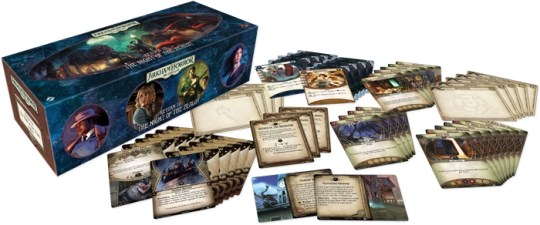
Return to Expansions – To add some longevity to expansion cycles and the core set, FFG released small products titled ‘Return to: (campaign cycle)’ which are decent for adding some replay. However for expanding your card pool they are a poor choice. There will be some additional investigator cards which are commonly higher XP versions of cards in that cycle and/or core set. Another reason to hold off on the Return To expansions are the difficulty level.

If you’ve played a cycle to death and beaten it soundly at the expert level, the Return To expansions might be something you’d be interested in. They add more difficult locations and encounter cards to ramp up the challenge offered by the original versions. If you particularly enjoy a campaign, the Return To expansions add variety and small tweaks to offer more replay. But for expanding your card pool as a primary focus, they aren’t a solid buy.

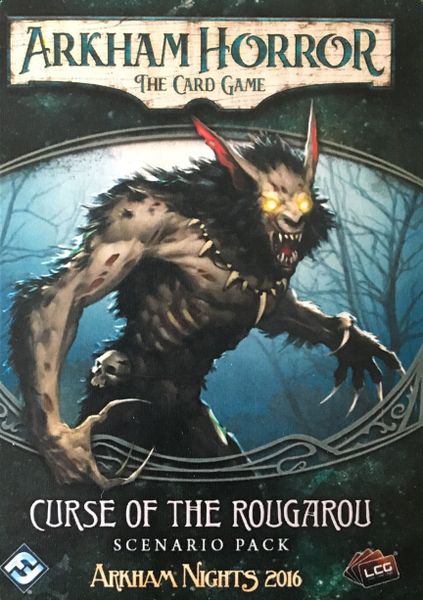
Stand Alone Scenarios – This is another low priority buy if wanting to expand your investigator card pool. These are 1-2 scenarios intended for a one shot game. While they can be added to a longer campaign, they are really designed for a lone jaunt seeking answers to the mythos. The contents in these packs are geared towards scenario cards, where investigator cards (if any) are intended to be given as rewards for its successful completion.

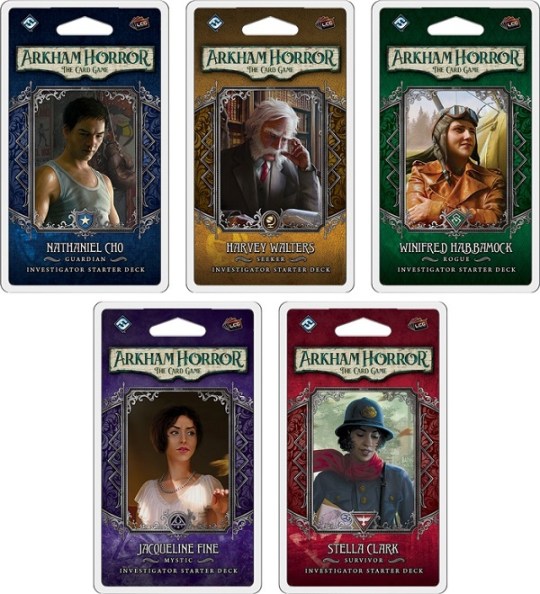
Investigator decks – These are a wonderful, especially if looking to bolster the card pool for a particular type of investigator. All of them are designed to provide a complete investigator deck, along with additional cards to be purchased with experience as you wind through a campaign. I think that’s the primary strength of the decks. Want to add a 3rd or 4th player to your older version core set? You can buy these and each additional player will have a complete deck. More importantly, the decks themselves are pretty solid.

These have some good cards which can supplement the lack of duplicate cards if you have an old core set. As an example Azure Flame is a great option to brace up that lone copy of Shrivelling. Sadly the guardian deck, while a good one, doesn’t quite have a replacement for Machete. You could argue that a fair amount of the cards really work best with the investigator they come with. However there’s a good number that’ll work with just about any other investigator. These decks are something to look into if you like a particular class. As they are solely composed of player cards they are an ideal product to broaden your player card pool.